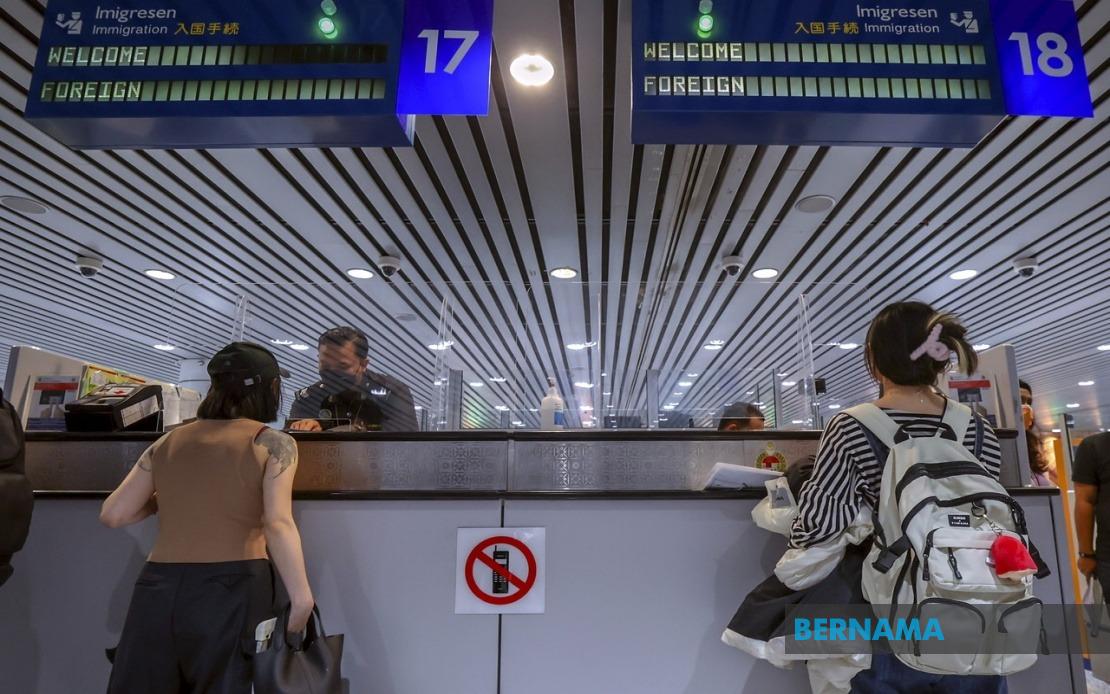
Malaysia's Cabinet has given the green light to an ambitious 17-recommendation security enhancement programme aimed at fortifying controls, screening procedures and risk assessment frameworks at Kuala Lumpur International Airport and throughout the country's international entry gateways. The joint initiative between the Home Ministry and Ministry of Transport represents a direct governmental response to mounting concerns about vulnerabilities in the nation's border security infrastructure, particularly following high-profile incidents that exposed weaknesses in existing protocols.
The comprehensive action plan, unveiled through a joint ministerial statement, distinguishes between immediate, medium-term and long-term implementation phases. The short-term phase prioritises six swift interventions designed to reinforce existing safeguards without requiring extensive infrastructure overhauls. These quick-win measures address the most pressing vulnerabilities and can be operationalised immediately to plug security gaps that recent incidents have exposed.
Risk-based targeted screening forms the cornerstone of the immediate response, with enhanced inspection protocols applied to flights, passengers, crew members and baggage flagged as presenting elevated risk profiles. This intelligence-driven approach allows security personnel to concentrate resources on high-threat vectors rather than applying uniform screening intensity across all travellers and cargo. The methodology reflects international best practices employed by leading aviation security regimes worldwide.
A second immediate measure involves the establishment of a comprehensive e-Vetting system and strengthened access control procedures. This initiative targets airport workforce integrity through enhanced security screening for flight crews, airline employees, ground operations staff, airport operators, vendors, contractors and any personnel requiring authorisation to enter restricted security zones. The measure acknowledges that insider threats represent a significant vulnerability, particularly in high-access positions within airport operations.
The drug screening initiative for aviation personnel constitutes a third pillar of the immediate action plan. Expanded pre-employment, periodic and random testing for pilots, cabin crew and related staff aims to prevent substance abuse from compromising aviation safety or creating opportunities for drug trafficking operations. This targeted focus on high-responsibility personnel reflects the pivotal role aviation workers play in maintaining border integrity.
Three additional short-term measures round out the immediate priorities: augmenting the visible security footprint through increased physical presence of security personnel; establishing formal mechanisms for coordinating and disseminating security intelligence across relevant agencies; and creating a dedicated Home Ministry-Transport Ministry Technical Committee to oversee implementation and coordinate inter-agency responses. These complementary initiatives address both physical security and the critical challenge of information sharing across governmental silos.
The medium-term implementation phase emphasises technological advancement, asset acquisition and human resource development. This reflects recognition that sustainable security improvements require investment in modern systems, equipment and personnel training rather than relying solely on procedural adjustments. The government's willingness to allocate resources for technology upgrades signals genuine commitment to modernising Malaysia's border security architecture.
Long-term strategy encompasses system transformation, improved information governance and expanded rollout across all international entry points nationwide. This phased geographic expansion reflects prudent risk management, with implementation prioritisation based on threat assessments and operational considerations specific to each location. Kuala Lumpur International Airport serves as the pilot site for full programme implementation before scaling occurs across the nation's aviation, maritime and land borders.
The Cabinet's action represents a direct response to recent security incidents that have attracted unwanted international attention. The case of a Malaysian pilot arrested at Indonesia's Soekarno-Hatta International Airport with approximately 25 kilogrammes of MDMA exemplifies the type of trafficking vulnerability the programme targets. This incident and related arrests involving Malaysian nationals in drug smuggling operations have raised serious questions about whether airport workers and aviation personnel are being adequately vetted and monitored.
For Malaysian aviation stakeholders and the broader travel industry, the security enhancements present a delicate balance. Stronger controls and more rigorous screening procedures inevitably introduce processing delays and increased compliance burdens. However, government and ministry statements emphasise that implementation will prioritise passenger rights, data protection and industry interests whilst safeguarding national security. This commitment reflects awareness that excessive security measures risk damaging Malaysia's reputation as a traveller-friendly destination and competitiveness against regional aviation hubs.
The international dimensions merit consideration for Malaysian business and tourism sectors. Malaysia's reputation for maintaining secure gateways directly influences investor confidence, tourist arrivals and the aviation industry's standing within global aviation communities. Recent security lapses have risked tarnishing these perceptions, particularly among international carriers and passengers accustomed to stringent Western security standards. The Cabinet's proactive response signals to international partners and aviation stakeholders that Malaysia takes border integrity seriously and is implementing systematic improvements.
The establishment of formal inter-ministerial coordination mechanisms addresses a persistent governance challenge in Malaysian security administration. Historically, information silos and coordination failures between agencies have created operational vulnerabilities. Institutionalising regular communication between Home Ministry and Transport Ministry personnel through the dedicated technical committee should improve situational awareness and enable faster response to emerging threats. This institutional reform may ultimately prove as valuable as any specific technical measure.
Moving forward, implementation success will depend on sustained political commitment, adequate budget allocation and genuine inter-agency cooperation. The phased rollout approach provides opportunities for learning and adjustment based on KLIA implementation outcomes before nationwide expansion. International aviation security observers will likely monitor Malaysia's progress with interest, as successful implementation could position the country as a regional leader in modern, risk-based security approaches whilst maintaining passenger-friendly procedures.

