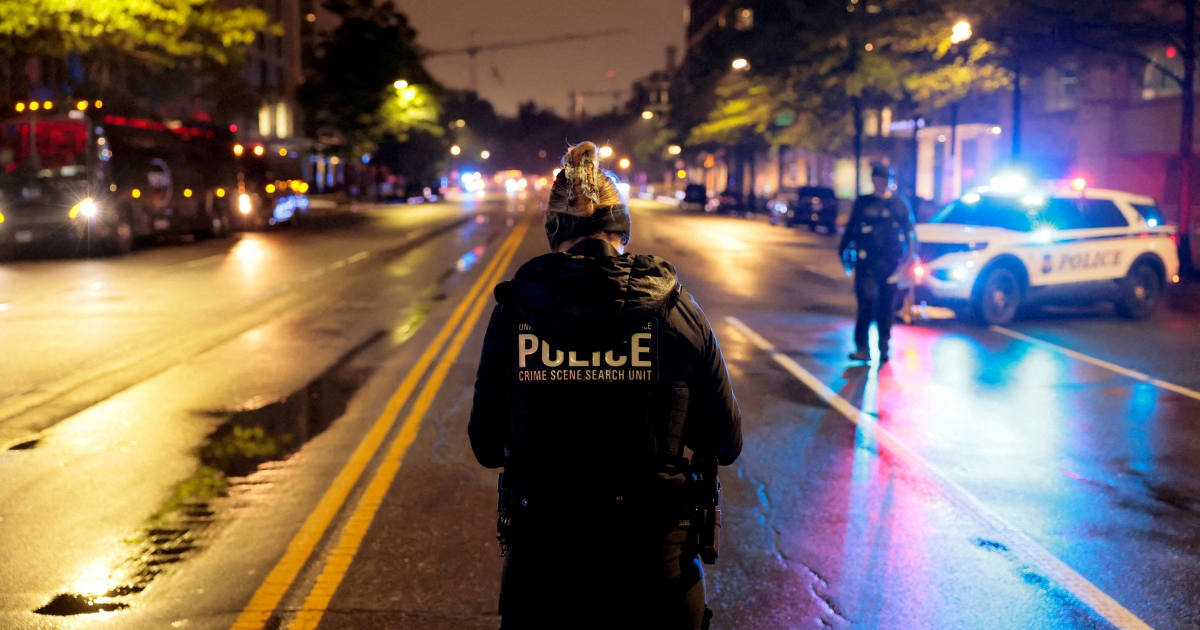
A civilian injured during an armed confrontation near the White House in May will file a personal injury lawsuit against the US Secret Service, according to legal representatives handling the case. The decision signals a likely challenge to the agency's handling of the incident and raises questions about civilian protection protocols during security operations at one of America's most heavily guarded locations.
The shooting occurred when Secret Service personnel engaged with an armed individual in close proximity to the presidential residence. During the exchange of gunfire, a bystander not involved in the confrontation sustained injuries, prompting the legal team to pursue compensation through the federal court system. The timing of the filing on Tuesday marks a significant step in holding the security agency accountable for collateral damage during the operation.
This case carries implications beyond the immediate incident, as it touches on broader concerns about the balance between national security operations and the protection of innocent civilians in public spaces. The United States has faced increasing scrutiny over incidents where bystanders become casualties during law enforcement operations, particularly in high-profile locations where security protocols are at their most intensive.
The Secret Service, tasked with protecting the President and securing the presidential compound, operates under strict engagement rules designed to neutralise threats quickly. However, such protocols sometimes result in unintended harm to individuals in the vicinity who pose no danger. The impending lawsuit will likely examine whether the agency took sufficient precautions to minimize civilian risk during the confrontation.
For Malaysian observers of American governance, this case reflects broader debates about accountability within security agencies when their operations affect ordinary citizens. In many democracies, including Malaysia, questions about proportionality and civilian protection during security operations remain contentious issues that test the limits of executive power and the courts' willingness to review such decisions.
The legal framework governing such claims typically falls under Federal Tort Claims Act provisions, which allows individuals to seek damages from the US government for injuries caused by federal employees acting within their official capacity. The lawsuit's success will depend on whether lawyers can establish that the Secret Service acted negligently or with insufficient regard for civilian safety during the May incident.
Secret Service officials have not publicly commented on the pending litigation, though the agency will likely argue that its personnel followed established protocols and acted appropriately given the perceived threat situation. The defence may emphasize that the initial actor posed a genuine danger requiring immediate and decisive response, even if civilian proximity complicated the tactical situation.
The case also highlights the tension between transparent accountability and operational security. Details about specific Secret Service procedures, deployment decisions, and threat assessment methodologies may need to be disclosed during litigation, potentially revealing sensitive information about the agency's capabilities and vulnerabilities to those with access to court records.
From a Southeast Asian perspective, such incidents and their legal aftermath demonstrate how mature democracies navigate conflicts between security imperatives and individual rights. Malaysia's security agencies and courts continue to evolve in how they address similar tensions, particularly as threats to public spaces and political figures have become more sophisticated.
The monetary value of the eventual settlement or judgment remains unclear at this stage, but personal injury claims arising from law enforcement actions in the United States typically result in settlements ranging from hundreds of thousands to millions of dollars, depending on the severity of injuries and long-term medical needs. If the case proceeds to trial, it could establish precedent regarding the Secret Service's liability standards.
This lawsuit also reflects the litigious nature of American legal culture, where citizens routinely seek redress through courts rather than administrative remedies alone. The willingness to challenge federal agencies through personal injury suits represents a fundamental aspect of American checks and balances, ensuring that even powerful institutions face accountability before the judiciary.
As the case develops, observers across the region will watch how American courts weigh security agency discretion against individual rights to safety in public spaces. The outcome could influence how other federal law enforcement agencies and international security forces approach civilian protection during armed operations. For Malaysia, such precedents inform ongoing discussions about balancing security concerns with public accountability and individual welfare.

