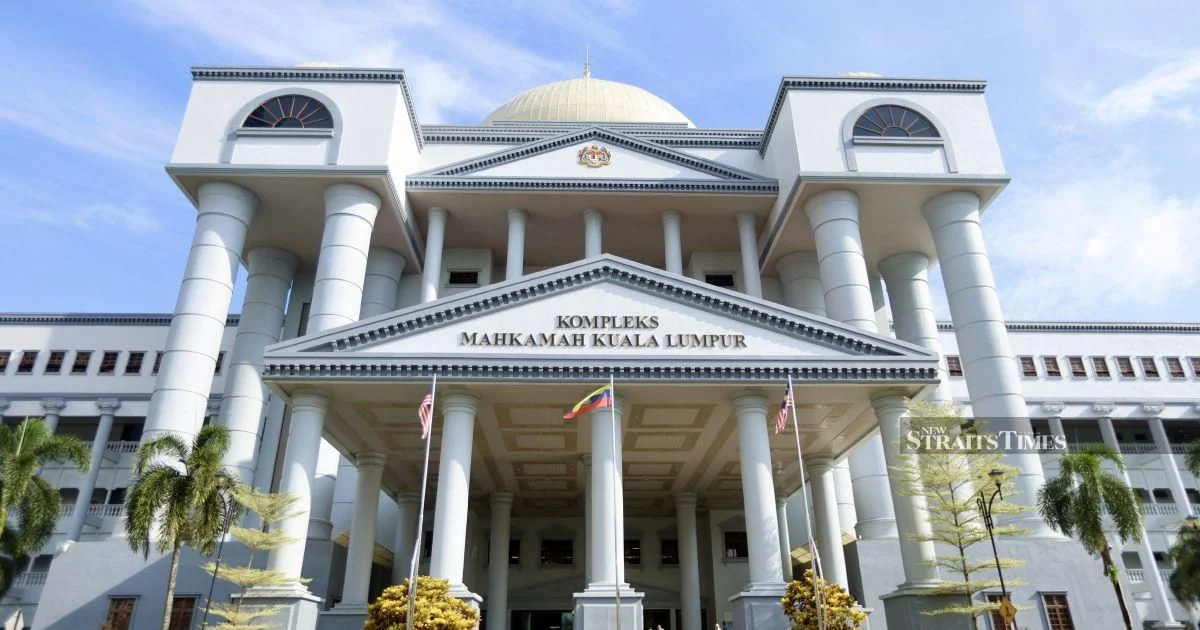
Businesswoman Sofia Rini Buyong is scheduled to appear before the Kuala Lumpur Magistrate's Court tomorrow to answer criminal defamation charges arising from allegedly making statements that damaged someone's reputation.
The charge marks a significant legal development in what appears to be a high-profile dispute involving a prominent business figure. Criminal defamation cases in Malaysia can carry serious consequences, including potential imprisonment and substantial fines depending on the severity of the allegations and the damage caused to the complainant's character or standing.
Defamation law in Malaysia operates across both criminal and civil frameworks. Criminal defamation, governed under the Penal Code, provides state prosecutors the authority to pursue cases where statements are deemed to have wilfully injured someone's reputation. This contrasts with civil defamation, where affected individuals seek monetary damages through private legal action. The decision to proceed with criminal charges suggests the authorities have determined there is sufficient evidence to support prosecution.
The case highlights the continuing tension between free expression and personal reputation protection within Malaysia's legal system. Businesspeople and public figures remain frequent targets of defamation allegations, particularly as digital communication platforms expand opportunities for rapid information dissemination. Social media and online forums have intensified scrutiny of public statements, with unguarded remarks or unverified claims potentially escalating into formal legal proceedings.
Criminal defamation charges require prosecutors to establish that the defendant made a statement knowing it to be false or displaying reckless disregard for its truthfulness. Additionally, they must demonstrate that the statement was communicated to third parties and that it damaged the complainant's reputation. These elements create a substantial evidentiary burden, though once established, criminal conviction can provide victims with symbolic vindication beyond financial compensation.
For businesses and entrepreneurs operating in Malaysia, defamation cases carry implications extending beyond immediate legal expenses. Such proceedings can affect commercial relationships, investor confidence, and corporate reputation. Industry observers frequently note that even unsuccessful defamation allegations can produce reputational damage lasting well beyond courtroom judgment, particularly when media coverage amplifies the dispute.
The magistrate's court proceeding represents an initial phase in what could develop into extended litigation. Malaysian courts typically use these opening sessions to confirm charges, allow defendants to enter pleas, and establish preliminary timelines. Depending on case complexity and the defendant's response, proceedings may be transferred to higher courts or protracted through multiple hearing dates.
Sophia Rini Buyong's appearance tomorrow occurs within a broader Malaysian context where defamation cases involving business personalities periodically attract public attention. Previous cases have illustrated how reputational disputes among businesspeople can become matters of public interest, particularly when they involve allegations affecting corporate governance, financial dealings, or professional integrity.
The prospect of criminal conviction carries tangible professional consequences. Beyond potential imprisonment or fines, criminal defamation findings can damage professional credentials, complicate future business ventures, and complicate relationships with commercial partners and financial institutions. This reality ensures that even preliminary charges generate serious ramifications for those involved.
Malaysia's legal framework reflects broader regional trends regarding online communication and statement accountability. Singapore, Thailand, and Indonesia have similarly expanded scrutiny of allegedly defamatory statements, particularly across digital platforms. However, Malaysia's approach remains distinctive in maintaining criminal defamation provisions within its Penal Code, a legacy of colonial-era legislation that persists despite ongoing debates about its application in contemporary settings.
The case also touches on practical questions concerning evidence standards and witness testimony in defamation proceedings. Prosecutors must establish not merely that statements were false, but that they were communicated with sufficient malice or recklessness. Digital communication platforms now provide detailed records of statement dissemination, enabling precise documentation of who received allegedly defamatory content and when.
For Malaysian business communities, the proceedings underscore importance of careful communication management. Senior executives increasingly receive media training and legal counsel regarding public statements, recognising that casual remarks can precipitate formal legal action. Companies now frequently implement policies governing employee communications about competitors and external parties, reflecting heightened awareness of defamation liability.
The appearance before the magistrate's court tomorrow will clarify procedural details and establish the formal trajectory of the case. Depending on the defendant's response and judicial determination, subsequent phases may involve extended discovery processes, witness examination, and appellate proceedings. The outcome may ultimately rest upon technical evidentiary questions regarding statement falsity and complainant damage, legal questions regarding constitutional free expression protections, or factual disputes concerning what was actually communicated and its reception.

