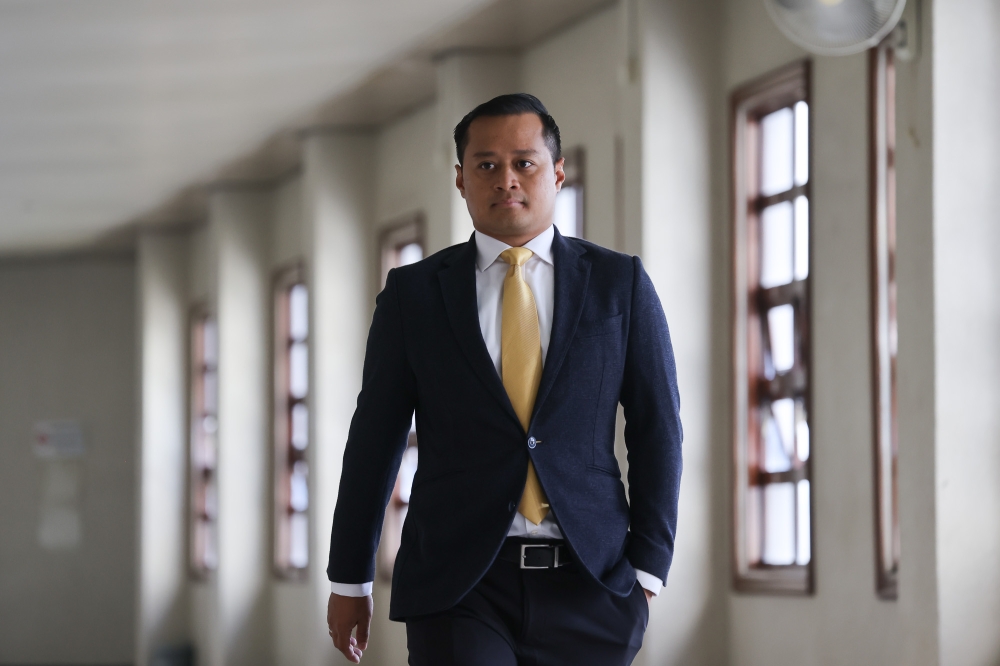
A businessman has revealed in court that he discovered his elder brother had transferred part of a RM13.7 million company donation to Bersatu without his knowledge, providing significant testimony in the corruption trial of former Prime Minister Muhyiddin Yassin in Kuala Lumpur's High Court.
Shahrin Shamsuddin's account offers a crucial window into the financial movements under examination in the case against Muhyiddin, who faces allegations relating to the misappropriation of party funds. The testimony highlights the complex web of personal and commercial relationships that often characterise Malaysian political financing, where family members and business associates frequently serve as intermediaries in fund transfers to political parties.
The trial has drawn considerable attention as it involves one of Malaysia's most prominent recent political figures. Muhyiddin served as Prime Minister from March 2020 to August 2021, leading a governing coalition that included Bersatu, the political party at the centre of the donation controversy. The case represents a significant moment in Malaysia's ongoing efforts to scrutinise political funding practices, a matter of persistent concern among governance advocates and citizens alike.
Shahrin's testimony suggests that the movement of corporate funds into party coffers may have occurred through channels and arrangements that not all relevant parties were fully apprised of at the time. This dynamic raises broader questions about transparency and accountability within Malaysia's political financing ecosystem, where formal regulatory frameworks have historically allowed considerable latitude in how businesses and individuals channel money to political organisations.
The RM13.7 million figure appears substantial on its face, but context matters in understanding its significance within Malaysian political funding. Over the past two decades, major donations to ruling parties have frequently reached or exceeded this amount, often without generating public scrutiny or legal consequences. The fact that this particular donation has become the subject of a trial involving a former premier signals shifting attitudes toward political accountability at the highest levels of government.
The involvement of family members in facilitating political donations reflects patterns seen repeatedly across Southeast Asian politics, where boundaries between personal wealth, family business interests, and political finance remain notably permeable. Malaysian corporate and political culture has traditionally accommodated such arrangements, with political parties accepting donations from businesses connected to prominent figures without necessarily documenting the consent or knowledge of all stakeholders involved.
For Malaysian readers and observers of regional politics, this case carries implications beyond the specific allegations against Muhyiddin. It speaks to ongoing debates about whether the country's anti-corruption mechanisms possess adequate teeth to constrain the highest echelons of power. Previous trials of senior political figures have often resulted in acquittals or reversals on appeal, creating public perception that elite accountability remains elusive in Malaysia.
Bersatu, the party referenced in Shahrin's testimony, has become a central actor in Malaysian politics since its formation in 2016. The party initially positioned itself as a vehicle for Muhyiddin's political ambitions and subsequently evolved into a kingmaker in Malaysia's fractious coalition politics. Allegations regarding its fund management thus carry ramifications not merely for Muhyiddin personally but for Bersatu's standing and legitimacy as a governing entity.
The testimony also underscores the challenges Malaysian courts face in prosecuting financial crimes linked to politics. Establishing culpability requires detailed evidence of transactions, communications, and intentions spanning months or years. Defence teams frequently argue that ambiguities in corporate governance or family business structures create reasonable doubt regarding whether principals bore knowledge of or consented to particular fund movements. Shahrin's account, by contrast, provides direct testimony that at least some fund transfers happened without the knowledge of interested parties, potentially strengthening the prosecution's narrative.
From a regional perspective, Malaysia's handling of this case will be watched closely by observers in other Southeast Asian nations grappling with similar challenges around political funding and accountability. Countries including Thailand, the Philippines, and Indonesia have all struggled with enforcing restrictions on political money, and outcomes in high-profile Malaysian cases can influence attitudes toward such enforcement elsewhere in the region.
The trial continues to unfold in Malaysia's courts as the judiciary works through the complex evidentiary questions surrounding the alleged misappropriation. Shahrin's revelation about the unauthorised donation adds another layer of complexity to the prosecution's case, suggesting that funds moved through chains of command and familial relationships that may not have been entirely transparent to all parties bearing financial interest in the transactions involved.

