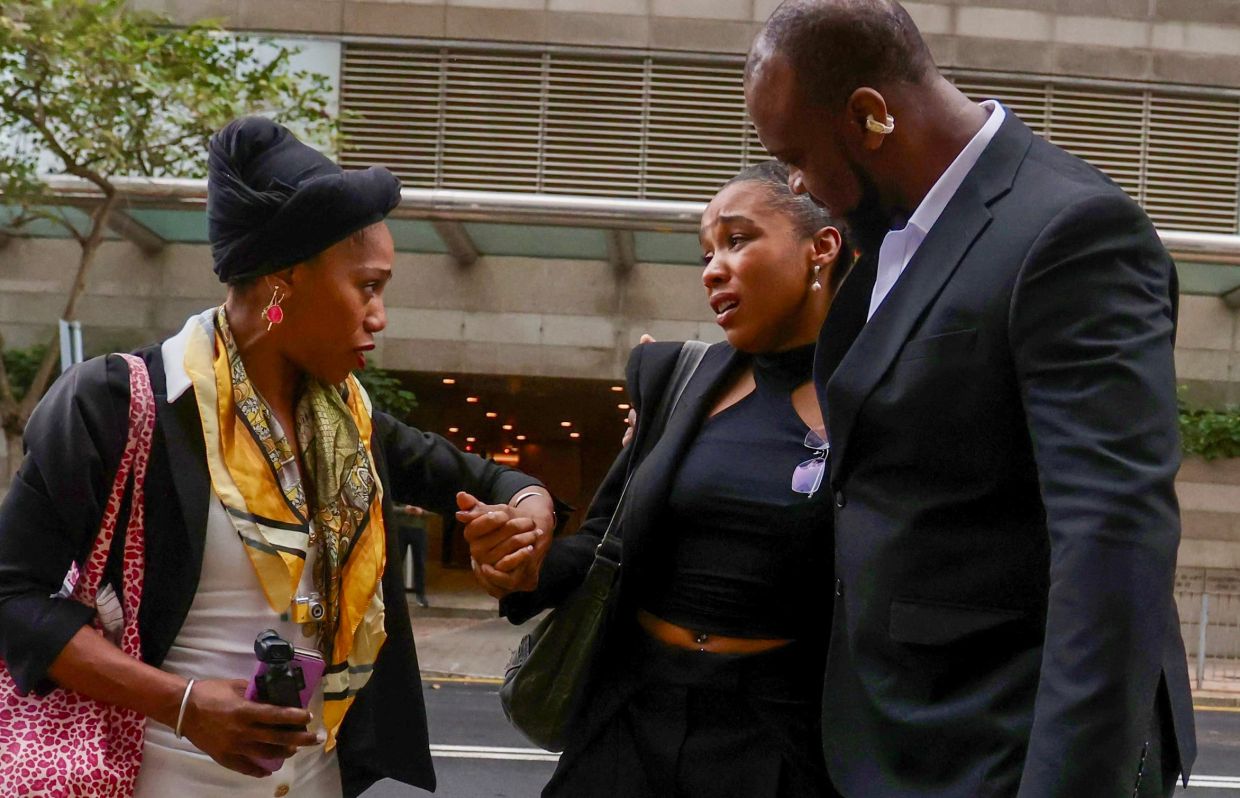
A Hong Kong District Court has handed down a six-year prison sentence to Isabel Anonia Barbra Eudora Rose, a 26-year-old British woman from London, following her conviction on blackmail and perverting the course of justice charges. Judge Adriana Noelle Tse Ching delivered the verdict on Wednesday, concluding that Rose had fabricated rape allegations against a compatriot and subsequently attempted to extract substantial sums through threats and intimidation.
Rose arrived in Hong Kong on January 31, 2024, to visit a man she had met during a previous trip to Thailand in December 2023. According to the court's findings, she visited his one-bedroom apartment in Central and subsequently claimed that he had assaulted her that evening. However, the judge's examination of subsequent communications between the pair painted a markedly different picture of events, leading to a complete rejection of her allegations.
The pivotal evidence centred on messages exchanged the day after the disputed encounter. In these conversations, Rose wrote to the man stating "You basically raped me," to which he responded by expressing shock and denying such intentions. The judge found this exchange particularly illuminating, as the man's account suggested he had requested oral sex, Rose had declined, and he had subsequently apologised for misreading her signals and moving too quickly. When Rose questioned whether he was upset about her refusal to engage in full intercourse, he indicated admiration for her restraint whilst acknowledging mild frustration. Judge Tse determined that the tone and content of these exchanges fundamentally contradicted Rose's rape narrative.
Rose reported the alleged assault to police on February 3, prompting officers to arrest and question the man. However, within 24 hours, investigators had shifted focus and arrested Rose herself following a detailed examination of her claims and the supporting evidence. A forensic examination revealed bruising on her neck but no genital injuries consistent with her allegations of rape. The judge accepted the man's account that they had engaged in some intimate physical contact but that penetrative intercourse had not occurred, making the blackmail charges the crux of the case.
What emerged during trial was a calculated progression from compensation requests to extortionate demands. Initially, the pair discussed reimbursement for Rose's accommodation and travel costs. When Rose requested £2,000, the man agreed. She subsequently escalated this to £5,000, writing that he had paid merely ten percent of what she was owed while she had lost "one hundred percent of my soul." The escalation continued dramatically when Rose demanded £100,000, telling the man he had "half of it which can be sent" and that the other half could follow the next day. Although this specific demand did not appear in the text message records presented at trial, Judge Tse concluded that Rose had made this demand through now-deleted disappearing messages or voice notes, and had threatened police involvement if payment was not forthcoming by a set deadline.
Judge Tse characterised Rose's conduct as particularly egregious, describing the offence as "cruel and evil." The judge found that Rose had deliberately exploited the man's kindness, emotional vulnerability, naivety, and romantic interest in her. Crucially, Tse concluded that Rose had targeted the man for his financial resources from the moment of arrival in Hong Kong, rapidly escalating her demands within a mere 48 hours of their reunion. The judge set an initial five-year sentence for the blackmail charge and added a further consecutive year for perverting the course of justice, reflecting the severity of filing a false police report.
The sentencing remarks emphasised the vindictive nature of Rose's actions. Judge Tse noted that by making a false rape allegation and subsequently demanding money under threats, Rose had effectively "punished" the man for refusing to capitulate to her financial demands. The judge described Rose as "an author of her own wrongdoing," suggesting that her predicament was entirely self-inflicted and a consequence of deliberate criminal conduct rather than misfortune. This language reflected the court's view that Rose had cynically weaponised serious allegations to achieve financial gain.
Following the guilty verdict delivered in March, Rose displayed visible emotional distress in the dock and was remanded in custody pending sentencing. In subsequent remarks to the South China Morning Post, she expressed bewilderment at the outcome, stating "I reported the rape. But within 24 hours, there was no rape any more." She claimed that police officers had indicated they would prioritise the blackmail investigation, effectively abandoning her assault allegations. Despite her protests of injustice, the court found no merit in her version of events and proceeded with imprisonment based on the blackmail and obstruction convictions.
This case carries significant implications for how Hong Kong handles allegations of sexual assault when financial disputes are intertwined with such claims. The court's willingness to scrutinise messaging patterns and communications patterns in detail demonstrates a forensic approach to establishing credibility in complex cases where competing narratives emerge. For British nationals and other expatriates in Hong Kong, the case underscores the serious legal and reputational consequences of making false allegations, particularly when coupled with extortion attempts.
The severity of the sentence—six years for blackmail combined with obstruction—reflects judicial concern about protecting individuals from malicious use of serious criminal allegations as leverage for financial extraction. The case also highlights how quickly circumstances can change for visitors to Hong Kong, with Rose's initial status as a tourist rapidly transformed into that of a convicted criminal facing years of incarceration. Her situation serves as a cautionary tale regarding the intersection of romantic relationships, financial disputes, and allegations of sexual violence within jurisdictions that take a particularly stern view of such combinations.
The broader context matters for Southeast Asian observers monitoring Hong Kong's justice system. The case demonstrates that Hong Kong courts will vigorously defend accused individuals against what they determine to be false allegations, and will impose substantial penalties on those found to have fabricated serious charges. This approach differs markedly from some jurisdictions that adopt more lenient stances on false reporting, reflecting Hong Kong's commitment to protecting defendants' rights whilst punishing malicious prosecution.

