A major development has emerged in the investigation into the death of Ann Widdecombe, the prominent former Conservative politician, with British police announcing the arrest of a 28-year-old suspect in South Yorkshire on suspicion of her murder. The arrest, confirmed on Saturday, represents a substantial breakthrough in what had become a closely watched case given Widdecombe's considerable public profile and lengthy tenure in government.
Widdecombe served as a Member of Parliament for more than two decades and held several ministerial positions during her time in the House of Commons, making her a recognisable figure in British public life. Her career spanned multiple Conservative governments and she remained an active commentator on political affairs long after leaving elected office. The circumstances surrounding her death had generated significant media attention and public concern, particularly within political circles where she was well known and respected across party lines.
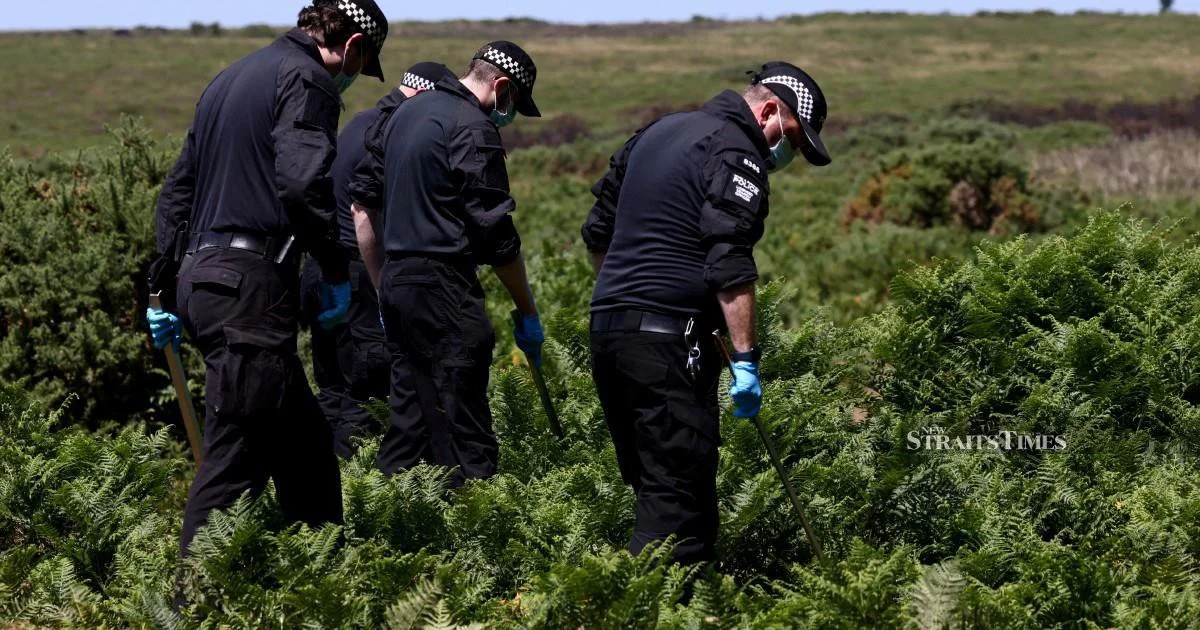
The arrest in South Yorkshire is the culmination of investigative work that had been underway since her death was discovered. Police forces coordinating the investigation had appealed for public assistance and pursued various lines of enquiry in the preceding period. The identification and apprehension of a suspect now moves the case into a new phase, with the arrested individual expected to face formal questioning and potential legal proceedings.
For Malaysian and Southeast Asian observers following international news, this case illustrates the challenges faced by law enforcement agencies in high-profile investigations involving public figures. The arrest demonstrates the resource-intensive nature of such inquiries and the importance of sustained investigative effort in securing suspects. British police procedures in serious cases typically involve careful evidence gathering and coordination between multiple jurisdictions, as evidenced by the South Yorkshire operation.
The significance of this case extends beyond the immediate circumstances of the alleged crime. Widdecombe's long career in politics meant she had accumulated extensive experience across numerous policy areas and parliamentary roles. Her contributions to British public debate, particularly on matters of criminal justice and social policy, had been substantive. The loss of a figure of her standing represents a notable moment in British political life, regardless of one's agreement with her various positions and statements over the years.
Investigations into the deaths of public figures attract heightened scrutiny from both media and the general public. This case will likely continue to receive substantial coverage as it progresses through the criminal justice system. The arrest phase represents a critical juncture, as the gathering of evidence and witness statements becomes increasingly important to establishing the factual foundation for any prosecution.
The South Yorkshire Police operation reflects the coordinated response that British law enforcement brings to serious crimes. Multiple agencies and specialist units typically become involved in murder investigations of this nature, pooling expertise and resources to advance the inquiry. The arrest itself, while significant, is merely one step in what will likely be an extended legal process involving detailed examination of evidence, forensic analysis, and potentially complex criminal proceedings.
For the broader context of public safety and crime investigation in the United Kingdom, such cases underscore the ongoing challenges faced by police forces. Despite considerable investment in investigative capabilities and forensic technology, securing arrests and building prosecutable cases remains fundamentally dependent on painstaking investigative work and often on public cooperation with law enforcement agencies. The successful identification of a suspect in a high-profile case can reinforce public confidence in police capabilities, though it also heightens expectations regarding the subsequent handling of the investigation.
The arrest development will now focus attention on the criminal justice process itself. The suspect will be entitled to legal representation and due process protections under British law, reflecting fundamental principles of criminal justice. The coming weeks and months will likely see further developments as the case progresses through preliminary hearings and potentially to trial, with each stage subject to legal and procedural requirements designed to ensure fairness and the proper administration of justice.
This incident also serves as a reminder of the vulnerability of public figures, regardless of their security status or prominence. While some former ministers maintain security arrangements, the random nature of violent crime means that no individual can be considered entirely insulated from risk. The case may prompt broader discussions about personal safety and security measures, particularly among those who have held high-profile public positions.

