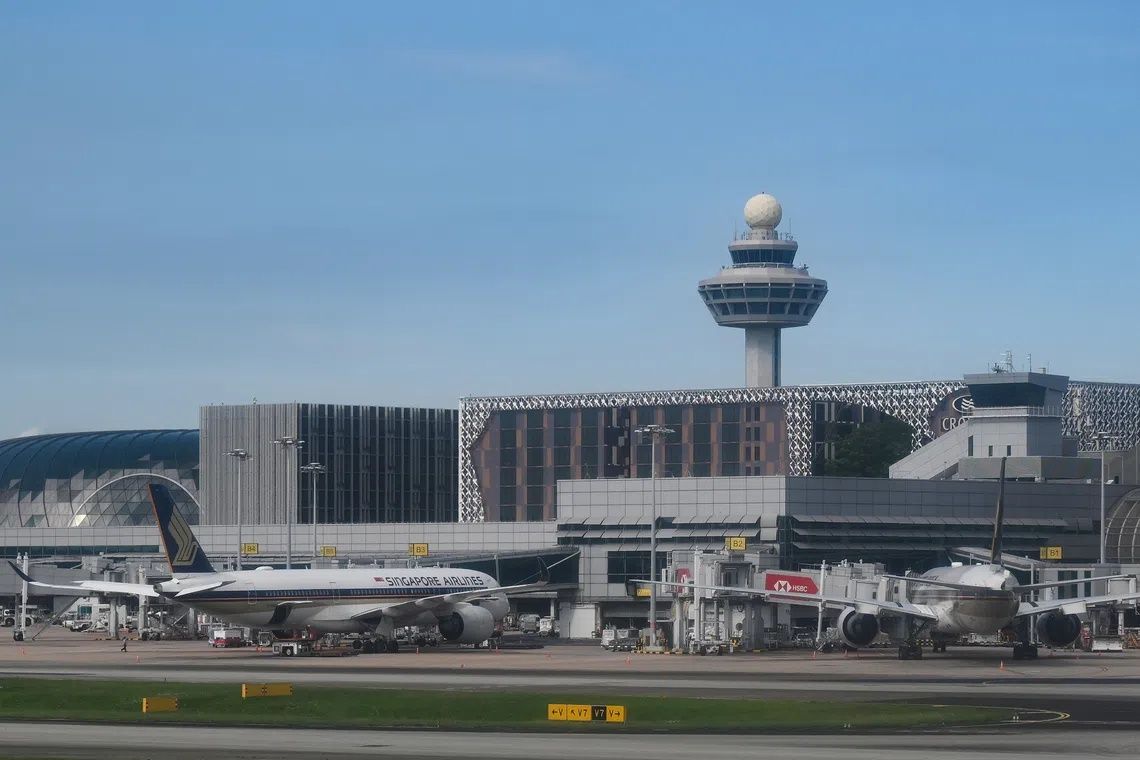
Singapore authorities are pressing charges against a 25-year-old British national following a disruptive incident at Changi Airport's Terminal 1 on July 20 that resulted in a 45-minute delay to a flight bound for Kuala Lumpur and injuries sustained by airport personnel. The man, believed to be intoxicated at the time, is scheduled to appear in court on charges spanning public intoxication, verbal abuse, and unauthorised access to restricted airport zones.
Police received notification of the disturbance at approximately 4.05pm on the date in question, when the passenger began creating a commotion at a boarding gate. Witnesses reported that the individual was speaking and shouting loudly throughout his time in the departure area, behaviour that proved irritating to other travellers awaiting their flights. The escalating conduct prompted airline staff to intervene and address the situation directly.
When two members of the airline's ground crew approached him to address his conduct, the situation deteriorated rapidly. The man responded with hostility, directing vulgar language at one of the staff members and generally refusing to cooperate with their attempts to manage the situation. His state of intoxication and aggressive demeanour left staff with little choice but to recommend his removal from the flight, a standard procedure when passengers pose a risk to flight safety or the comfort of other travellers.
Upon learning of the airline's decision to offload him, the man's behaviour transformed into something considerably more aggressive. Rather than complying with the directive, he made an attempt to force his way onto the aircraft by pushing through the airline staff members positioned at the gate. In the process, he entered a secured section of the terminal that is restricted to authorised personnel and passengers with valid boarding documentation. The forceful nature of his actions resulted in one staff member being knocked to the floor, where she sustained injuries to her left arm and wrist.
The incident continued to escalate as the man persisted in his aggressive conduct, now directing threatening and abusive language at security personnel who had arrived to manage the situation. His refusal to cease the disruptive behaviour and comply with instructions from airport security extended the resolution process considerably. The cumulative effect of his actions and the time required for security personnel to safely remove him from the gate area and the terminal resulted in a 45-minute postponement of the scheduled flight departure, inconveniencing numerous other passengers.
The charges the man is expected to face reflect the seriousness with which Singapore takes disruptions at its major transportation hubs. The first count relates to causing a public nuisance while intoxicated, an offence that carries potential penalties of up to S$1,000 in fines, imprisonment for as long as six months, or both. This charge addresses his initial disruptive behaviour at the boarding gate prior to the physical altercation.
The second charge concerns the use of threatening, abusive, or insulting language and behaviour directed at staff members. This charge acknowledges the verbal abuse that preceded and accompanied the physical confrontation. A conviction on this charge could result in a fine of up to S$5,000. The third and potentially most serious charge is unauthorised entry into a protected area of the airport, which carries the heaviest penalties of the three offences.
Unauthorised access to protected zones within an airport represents a significant security concern. Singapore, as a major aviation hub handling millions of passengers annually through Changi Airport, maintains strict protocols regarding access to restricted areas. A conviction on this charge could result in a fine reaching S$20,000, imprisonment for up to two years, or both. The severity of this potential sentence reflects the potential security implications of allowing unauthorised individuals to penetrate restricted airport zones without consequence.
This incident underscores the ongoing challenges airports worldwide face in managing passenger conduct and maintaining security protocols. Changi Airport, consistently ranked among the world's best airports, has had to deal with occasional incidents involving intoxicated or unruly passengers. The escalation from initial disruption to physical assault and breach of security zones represents a concerning trajectory that necessitated significant intervention from airport security and ultimately law enforcement.
For Malaysian readers and travellers to Singapore, this case serves as a reminder of the strict enforcement of conduct regulations at regional airports. Singapore's airport security and passenger management procedures are among the most rigorous in Southeast Asia, and violations can result in serious legal consequences. The incident also highlights why airlines maintain policies regarding intoxicated passengers and the dangers of resisting staff instructions.
The case reflects broader regional concerns about maintaining order and security at critical transportation infrastructure. With increasing passenger volumes across Southeast Asian airports, authorities across the region continue to implement firm policies regarding disruptive or aggressive behaviour. The potential penalties outlined in this case are intended to deter similar conduct and maintain the safety and orderliness that passengers and staff depend upon at major aviation facilities.

