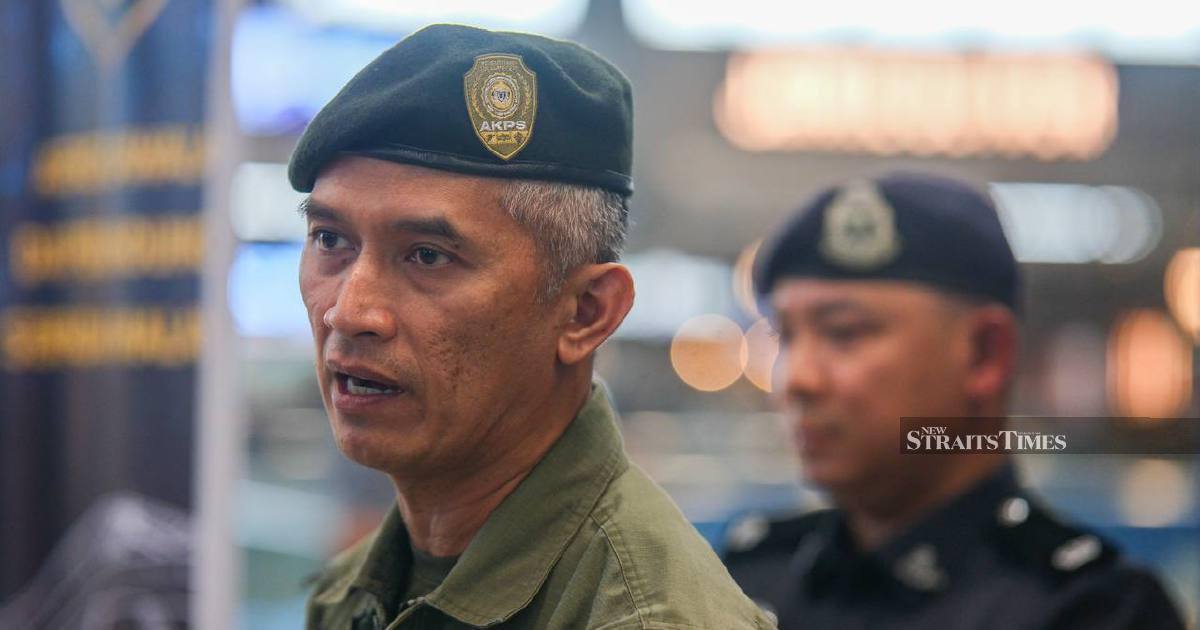
The Malaysia Border Control and Protection Agency (MCBA) has maintained a cautious stance regarding the drug smuggling allegations facing a Malaysia Airlines pilot in Indonesia, neither confirming nor dismissing the possibility that counter-setting operations played a role in the case. Speaking from Sepang, agency officials indicated that investigations remain at a preliminary stage, with insufficient evidence to draw firm conclusions about the manner in which the smuggling operation was executed or whether external actors orchestrated the involvement of the arrested pilot.
Counter-setting, a sophisticated law enforcement tactic where undercover operations or informant networks create circumstances designed to expose criminal activity, represents one of several avenues being investigated. The cautious approach reflects the complexity of cross-border drug cases and the diplomatic sensitivities inherent in situations where Malaysian nationals face serious charges abroad. The MCBA's reluctance to make premature statements also underscores ongoing coordination with Indonesian authorities, whose investigation findings will significantly influence Malaysia's assessment of what transpired.
The arrested pilot's status as an employee of one of Southeast Asia's major carriers has elevated the case's profile considerably. Malaysia Airlines, which operates extensive regional routes and maintains a substantial international reputation, faces potential reputational implications depending on how the investigation unfolds and what facts emerge regarding the circumstances of the alleged smuggling attempt. The airline has not yet made public statements responding to the charges against its employee, though such cases inevitably raise questions about recruitment screening and staff security protocols at major carriers.
Forensic analysis of the evidence seized in Indonesia will prove crucial to determining whether the pilot acted independently, whether he was coerced or manipulated into participation, or whether he was an unwitting participant in an operation orchestrated by criminal networks. The nature and quantity of the drugs involved, the sophistication of the smuggling method, and communications records from the pilot's devices will all contribute to piecing together the operational structure. Malaysian investigators are working to establish whether any organised crime syndicates based in Malaysia had involvement or prior knowledge of the attempted shipment.
The timing of the investigation's disclosure to Malaysian authorities and the subsequent public acknowledgment reveals the intricate nature of international law enforcement cooperation. When Malaysian nationals encounter legal difficulties in neighbouring countries, the Ministry of Foreign Affairs and Home Ministry typically coordinate with the relevant foreign authorities while maintaining channels of communication with the accused's family and legal representatives. The MCBA's involvement indicates that questions of border control procedure and potential security vulnerabilities in Malaysia's aviation sector have become central concerns.
Indonesia's much-publicised stance on drug trafficking and its stringent penalties for smuggling offences mean that defendants face exceptionally serious consequences if convicted. This reality intensifies pressure on Malaysian authorities to conduct thorough investigations, both to establish the precise facts and to ensure that any assistance provided to the accused is grounded in complete understanding of what occurred. Should counter-setting prove to have occurred, it would raise complex questions about whether legitimate law enforcement operations inadvertently facilitated criminal activity or whether the tactic was improperly applied.
The broader context of regional drug trafficking networks makes this case significant for Malaysian policymakers and security agencies. Southeast Asia remains a major corridor for amphetamine production and heroin trafficking, with syndicates constantly seeking new methods to move products across borders. The involvement of commercial airline personnel would represent a particularly concerning vulnerability, as aviation routes offer speed and apparent legitimacy compared to maritime or land-based smuggling methods. Disrupting such networks depends on intelligence-sharing between nations and coordinated enforcement action.
For Malaysia's aviation sector, the case serves as a reminder of the security imperative surrounding airport operations and airline staff vetting. Major carriers across the region have implemented comprehensive background checks and ongoing monitoring of employees with access to restricted areas. However, the sophistication of criminal recruitment tactics means that even rigorously screened individuals may be targeted by sophisticated networks or unwitting participants in schemes they do not fully comprehend. The MCBA will likely examine whether any regulatory gaps or procedural weaknesses facilitated the alleged smuggling attempt.
The diplomatic dimension of this investigation cannot be overlooked. Malaysia-Indonesia relations remain generally cooperative on security matters, but contentious cases involving nationals of one country facing trial in the other sometimes become subject to domestic political attention. Public statements from Malaysian officials must therefore balance the requirement for transparency with the need to maintain productive relationships with Indonesian counterparts. The MCBA's measured approach reflects this equilibrium, avoiding both premature exoneration of the accused and inflammatory accusations that might complicate bilateral cooperation.
As the investigation progresses, clarity on the counter-setting question will emerge gradually through evidence analysis and witness interrogation. Until then, the MCBA's position reflects appropriate professional caution. The outcome will have implications not only for the accused pilot and Malaysia Airlines but also for how Malaysian and Indonesian authorities approach aviation security and transnational drug enforcement cooperation. The case exemplifies the challenges facing law enforcement agencies in an era when criminal networks exploit modern transportation infrastructure with increasing sophistication.

