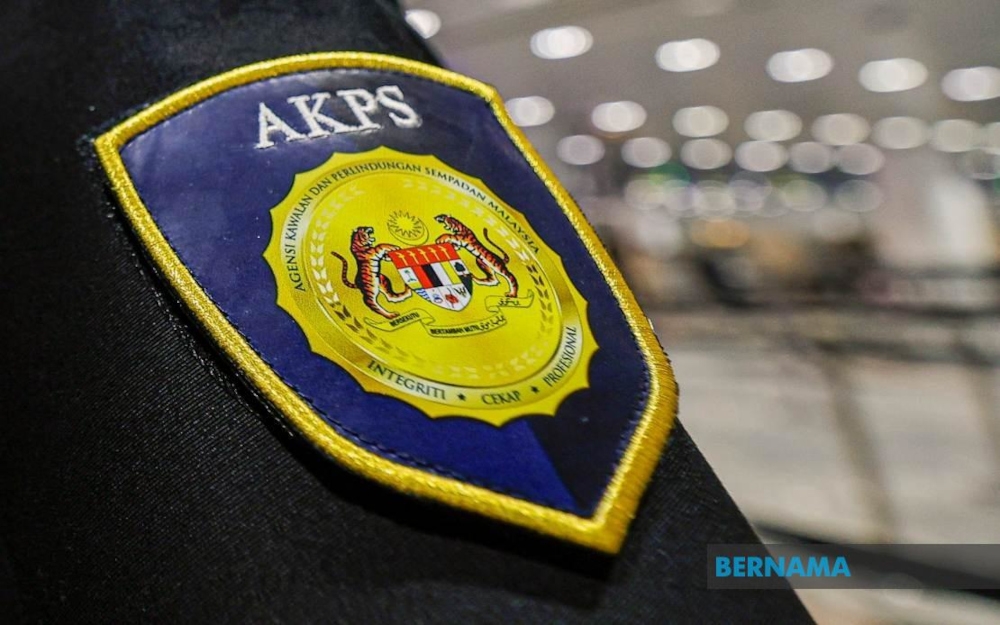
The Malaysian Border Control and Protection Agency (AKPS) has opened an internal inquiry into allegations that one of its officers at Kuala Lumpur International Airport 2 (KLIA 2) requested a RM100 payment through a personal QR code, signalling fresh concerns about bribery and corruption vulnerabilities within airport operations.
The case, which surfaced on July 13 in Sepang, highlights an evolving pattern where corrupt officials are adopting digital payment methods to solicit bribes—a shift that presents new challenges for law enforcement and oversight bodies trying to combat graft. The use of personal QR codes, which are increasingly ubiquitous in Malaysia's cashless economy, creates opacity around the movement of illicit funds and makes detection harder for internal compliance teams.
While the AKPS statement did not disclose the identity of the officer involved or specify the circumstances that triggered the payment request, sources suggest the allegation emerged through a passenger complaint or internal reporting mechanism. The agency's decision to mount a formal investigation underscores pressure from senior leadership to demonstrate zero tolerance toward corruption, particularly given the sensitive role border officers play in national security and revenue collection.
This incident occurs within a broader context of modernisation at Malaysia's aviation infrastructure. KLIA 2, which opened in 2014 as the country's second major international hub, has undergone significant upgrades to streamline passenger processing and reduce congestion. However, the expansion of digital systems and self-service options has also created blind spots where informal transactions—including alleged bribes—can occur without traditional paper trails or witness oversight.
The adoption of mobile payment technologies like QR codes has transformed daily commerce in Malaysia, offering convenience for consumers and merchants alike. Yet their prevalence has inadvertently created new avenues for corruption. Unlike direct cash handovers, digital payments leave digital footprints on personal banking apps or digital wallets, which can be harder for auditors to scrutinise without specific forensic capability or cross-agency cooperation. The AKPS investigation will likely examine the officer's transaction records and phone records to trace the payment flow.
Airport border agencies across Southeast Asia have grappled with similar challenges as they attempt to balance operational efficiency with integrity controls. Singapore's immigration authorities and Thailand's customs operations have invested heavily in digitalisation of border processes specifically to reduce opportunities for officer discretion and human contact—factors that enable bribery. Malaysia's border management sector may need to adopt comparable structural safeguards to prevent reputational damage and maintain international confidence in KLIA 2's operations.
The AKPS probe also reflects the Malaysian Anti-Corruption Commission's (MACC) broader campaign against graft in public agencies. Though the MACC has not publicly confirmed involvement in this case, such allegations typically trigger inter-agency coordination, particularly if the investigation uncovers systemic vulnerabilities or patterns of misconduct. The agency's credibility depends on demonstrating that corruption within its ranks is detected promptly and addressed transparently.
For travellers and businesses relying on KLIA 2, allegations of border officer misconduct carry particular weight. International passengers expect professional, impartial treatment during immigration and customs clearance. Suggestions that officers might solicit informal payments—even modest sums—erodes confidence and could influence perceptions of Malaysia as a business-friendly destination. Trade bodies and tourism operators will be watching the AKPS's investigation closely to gauge whether institutional safeguards are adequate.
The investigation's outcome will likely determine whether this was an isolated incident or symptomatic of broader conduct issues among KLIA 2's border staff. The AKPS has approximately 3,000 personnel deployed across Malaysia's international airports and maritime borders. If the RM100 payment allegation represents a wider pattern, the agency may be forced to implement retraining programmes, strengthen financial transparency requirements, or revise operational protocols to reduce officer contact with passengers at sensitive checkpoints.
Looking ahead, the case underscores the need for Malaysian border agencies to evolve their anti-corruption frameworks in tandem with technological change. Digital payment audit trails, mandatory reporting of suspicious financial patterns, and clearer whistleblower protections for internal staff could help close vulnerabilities. Some experts also recommend randomised integrity testing—sending undercover passengers or creating hypothetical scenarios—to detect officer misconduct before it becomes systemic.
The AKPS investigation outcome will also influence public discourse around digital payments in regulated environments. Policymakers must ensure that the convenience and efficiency gains from cashless systems do not come at the cost of transparency and accountability. As Malaysia positions itself as a regional hub for logistics, trade, and tourism, maintaining border integrity remains essential to competitive positioning.
For now, the investigation proceeds without public fanfare, but its resolution will send a clear signal about institutional commitment to rooting out corruption. Whether the incident proves to be an anomaly or the symptom of deeper issues, the AKPS's handling of the case will test its capacity to police itself effectively and restore public confidence in border operations.

