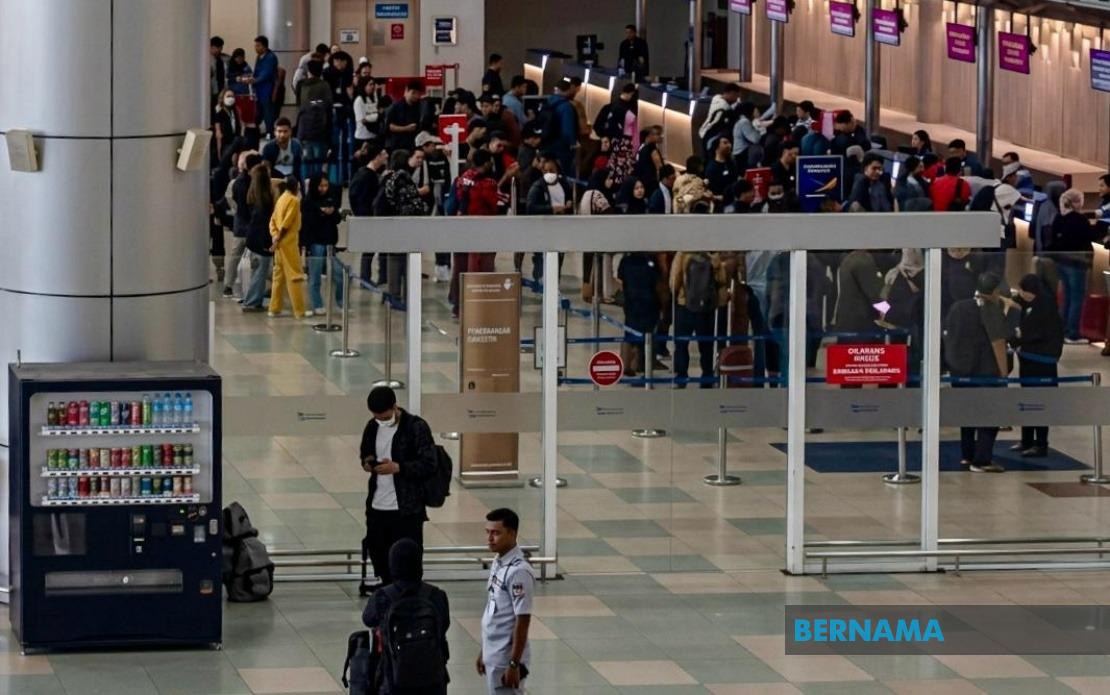
Labuan Airport suspended runway operations on June 26 after authorities discovered explosive devices positioned approximately 150 metres from the flight strip, prompting immediate safety measures and operational disruptions across the regional hub. The Royal Malaysian Air Force issued a Notice to Airmen at 5pm that day, formally declaring the temporary closure and restricting all runway access pending completion of comprehensive safety protocols. The decision prioritised passenger and staff security over maintaining flight schedules, reflecting standard emergency response procedures adopted by aviation authorities across Southeast Asia when potential security threats emerge.
Coordinated efforts between the RMAF and Labuan Airport management commenced immediately following the discovery, with both agencies initiating a detailed inspection regime designed to assess the extent of the threat and determine conditions necessary for safe runway reopening. Officials emphasised that the facility would only resume normal operations after inspectors completed their assessment and issued formal clearance documentation, effectively placing all decisions about resumption timelines in the hands of security professionals rather than commercial pressures. This deliberate approach underscores the priority placed on thorough verification in aviation security contexts, where incomplete checks could invite catastrophic consequences.
The operational fallout extended across Labuan's network of regional connections. Scheduled departures to Miri and Kota Kinabalu were outright cancelled, leaving passengers stranded and forcing rebooking onto alternative routes. Five specific flights were documented as affected by Bernama's on-site verification: services departing at 4:05pm, 5:15pm, 6:05pm, 6:15pm and 7:25pm, which were originally destined for Kuala Lumpur, Kota Kinabalu and Miri. Additional incoming and outgoing flights experienced either diversions to unaffected airports or significant delays as operations were redirected to accommodate the closure.
For Malaysian travellers, the disruption carried particular significance given Labuan's role as a crucial interchange point for East Malaysian connectivity. Many passengers attempting to reach Sabah and Sarawak destinations found their journeys complicated by cascading schedule changes, while those transiting through Labuan en route to Peninsular Malaysia encountered unexpected itinerary revisions. The regional aviation network, already operating with limited redundancy compared to major international hubs, felt the closure's ripple effects across dependent flight corridors.
Airport authorities issued guidance directing all affected passengers to contact their respective airlines directly for current flight status information and alternative travel arrangements. This decentralised communication approach reflected standard practice in aviation emergencies, delegating passenger care responsibilities to carriers rather than centralising information through airport channels. Travellers were explicitly advised to verify arrangements with their airlines before proceeding to the airport, recognising that individual airline responses might differ based on their specific operational capacities and network configurations.
The incident highlighted persistent security challenges affecting regional airports across Malaysia, where infrastructure continues to experience occasional incidents requiring swift emergency response. Labuan Airport's relative isolation in the South China Sea, combined with its strategic location and limited alternative capacity, amplifies the impact of any operational disruption on the broader East Malaysian travel ecosystem. The discovery mechanism—whether through routine patrols, intelligence-led searches, or other security protocols—was not disclosed in official communications, though the responsiveness of authorities suggested established procedures functioned effectively.
From a regional perspective, this closure underscores ongoing vulnerabilities in Southeast Asian aviation infrastructure security. While Malaysia's airports maintain internationally recognised safety standards and regulatory frameworks, the discovery of explosive devices within restricted perimeters indicates that determined threats can still penetrate security cordons. The incident provides valuable operational data for aviation authorities across the region regarding response effectiveness, evacuation protocols and inter-agency coordination capabilities during security emergencies.
The temporary nature of the closure suggested authorities possessed reasonable confidence in resolving the situation within a defined timeframe, though no specific reopening estimate was publicly provided. This measured communication strategy avoided generating panic or inspiring speculative reporting while maintaining transparency about the seriousness of the situation. Passengers and industry stakeholders understood that access would remain restricted until security clearance was definitively issued, ensuring no premature resumption attempts would occur.
Labuan Airport's role in Malaysia's broader aviation strategy encompasses serving as a gateway to Brunei, offshore oil and gas operations, and East Malaysian destinations. Any prolonged closure carries economic implications extending beyond immediate passenger inconvenience, potentially affecting business continuity for companies reliant on regular air transport connections. The incident therefore possessed consequences resonating across commercial, governmental and private sectors dependent on reliable Labuan connectivity.
Looking forward, the incident likely prompted security audits and perimeter assessment reviews at Labuan and comparable regional facilities. Malaysian aviation authorities probably initiated detailed investigations into how explosive materials approached such proximity to operational runway infrastructure, examining gaps in existing security measures and implementing enhanced protocols where vulnerabilities emerged. These investigations typically remain confidential pending completion, with findings informing classified security briefings rather than public disclosures.

