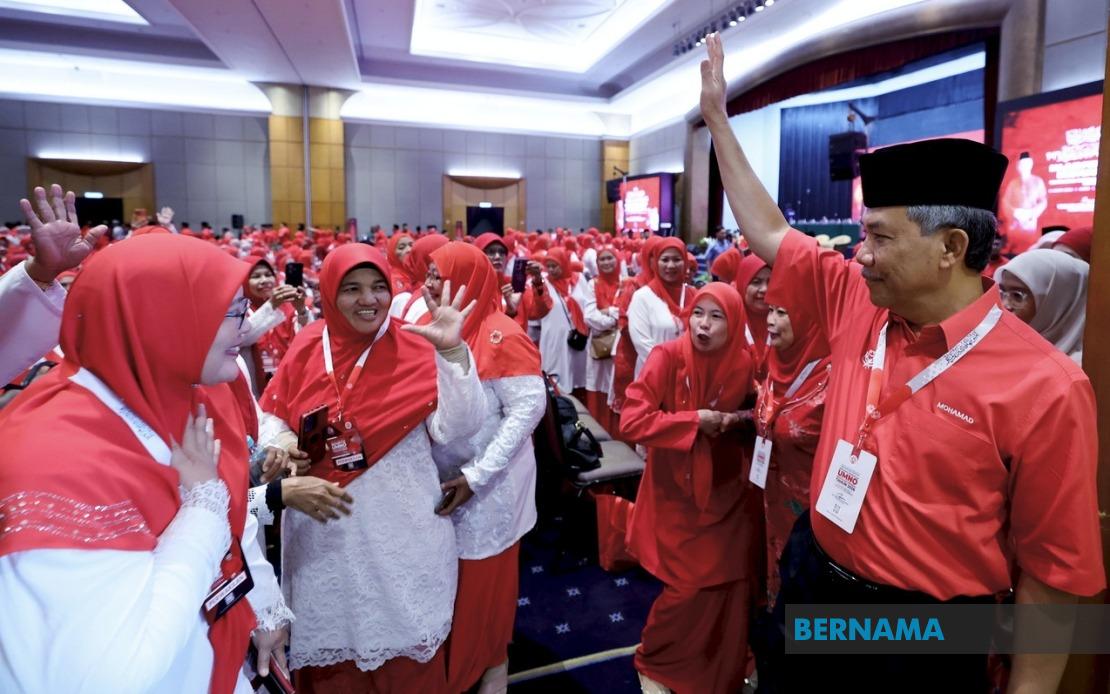
Barisan Nasional is preparing to fundamentally reshape its seat allocation strategy for the Negeri Sembilan state election, moving away from a decades-old practice of earmarking specific constituencies for particular coalition members. The announcement from BN deputy chairman Datuk Seri Mohamad Hasan represents a significant tactical recalibration for the coalition, reflecting concerns that voter composition changes have rendered traditional seat divisions increasingly ineffective.
The shift stems from a recognition that population dynamics across Negeri Sembilan constituencies have evolved substantially, making rigid allocations counterproductive to BN's electoral prospects. Rather than automatically assigning seats one through four to the same party cycle after cycle, the coalition now plans to conduct a comprehensive reassessment of voter patterns and demographic trends. This approach aims to position each BN component party in constituencies where they demonstrate genuine competitive strength rather than maintaining historical conventions that may no longer align with on-the-ground realities.
Mohamad emphasised that the restructuring serves a dual purpose: enhancing BN's overall election performance while expanding opportunities for component parties to contest in seats where they can realistically prevail. The traditional model, he argued, inadvertently restricted voter choice and created resentment within the coalition by consigning parties to constituencies where their chances of victory had diminished. By conducting strategic seat swaps and reassignments, BN aims to energise its component parties and present a more dynamic electoral platform that reflects contemporary voter preferences.
The decision to analyse previous election results is crucial to this revamped methodology. BN's data analysts will examine voting patterns and demographic shifts in each division to inform candidate placement decisions. This evidence-based approach contrasts with the earlier rigid system and suggests the coalition is attempting to adopt more sophisticated electoral mathematics ahead of a contest scheduled for August 1. The exercise acknowledges that some traditionally strong BN territories may have weakened, while other constituencies previously considered marginal might now present opportunities.
Despite Mohamad's role as Negeri Sembilan BN chairman and visible architect of this strategic pivot, final authority rests with the BN Supreme Council at the national level. This hierarchical approval requirement means component parties cannot unilaterally claim constituencies, even if they present compelling cases. The centralised decision-making structure, while maintaining party discipline, also creates potential friction if state-level preferences clash with national coalition calculations.
The expedited timeline adds pressure to the process. Division heads received instructions to submit three candidate nominees per contested seat, with the intention of announcing the full BN slate on July 15 during the formal launch of the election machinery. This compressed schedule leaves minimal room for negotiation or reconsideration once the Supreme Council makes its determinations. The July 18 nomination deadline and August 1 polling date mean that any last-minute adjustments become virtually impossible.
Mohamad's warning about internal sabotage reflects genuine historical vulnerabilities within BN's coalition structure. Previous elections have demonstrated that intra-party conflicts and candidate dissatisfaction can translate directly into lost constituencies, with disgruntled members either withdrawing support or actively undermining official party efforts. By emphasising unity and attempting to allocate seats more equitably through this review process, BN hopes to minimise such destructive internal dynamics before campaigning intensifies.
The question of Mohamad's own political future adds a layer of intrigue to these deliberations. Though he has represented the Rantau state seat since 2004, he indicated his continued candidacy would depend on party leadership's determination rather than his personal preference. This measured stance suggests either genuine flexibility or strategic positioning, given that Rantau's demographic changes might make it strategically valuable to reallocate to another BN component or consolidate UMNO's broader representation elsewhere in Negeri Sembilan.
For Malaysian observers, this restructuring signals that even established coalitions are adjusting operational frameworks in response to electoral volatility and demographic flux. The shift from prescriptive seat allocation to dynamic reassessment reflects broader trends across Southeast Asian politics, where traditional power-sharing arrangements increasingly come under strain from changing voter compositions, particularly in urban areas experiencing rapid migration and generational turnover. BN's willingness to revisit established practices suggests recognition that rigid systems no longer guarantee electoral dominance.
The implications extend beyond Negeri Sembilan's state-level contest. If this pilot approach proves successful, it could influence how BN structures seat divisions in future federal elections and other state polls, potentially revolutionising coalition negotiation dynamics. Conversely, if the process generates grievances among component parties who feel disadvantaged by the new system, it could exacerbate existing tensions within the coalition and undermine cohesion precisely when unified messaging becomes critical.
Component parties face strategic calculations about which constituencies represent their optimal positioning under the new framework. Parties relinquishing historically secure seats must demonstrate to their grassroots that relocated candidates can actually win, avoiding the perception that the national party hierarchy has demoted them. This requires both convincing local data analysis and effective communication to party members accustomed to traditional arrangements.
The broader context encompasses BN's efforts to rebuild electoral credibility following years of fragmentation and reform challenges. By appearing responsive to demographic realities and committed to optimising each component party's prospects, the coalition attempts to project strategic sophistication and inclusivity. Whether this calculated overhaul translates into actual electoral gains or merely masks persistent internal contradictions remains to be determined when Negeri Sembilan voters cast their ballots on August 1.

