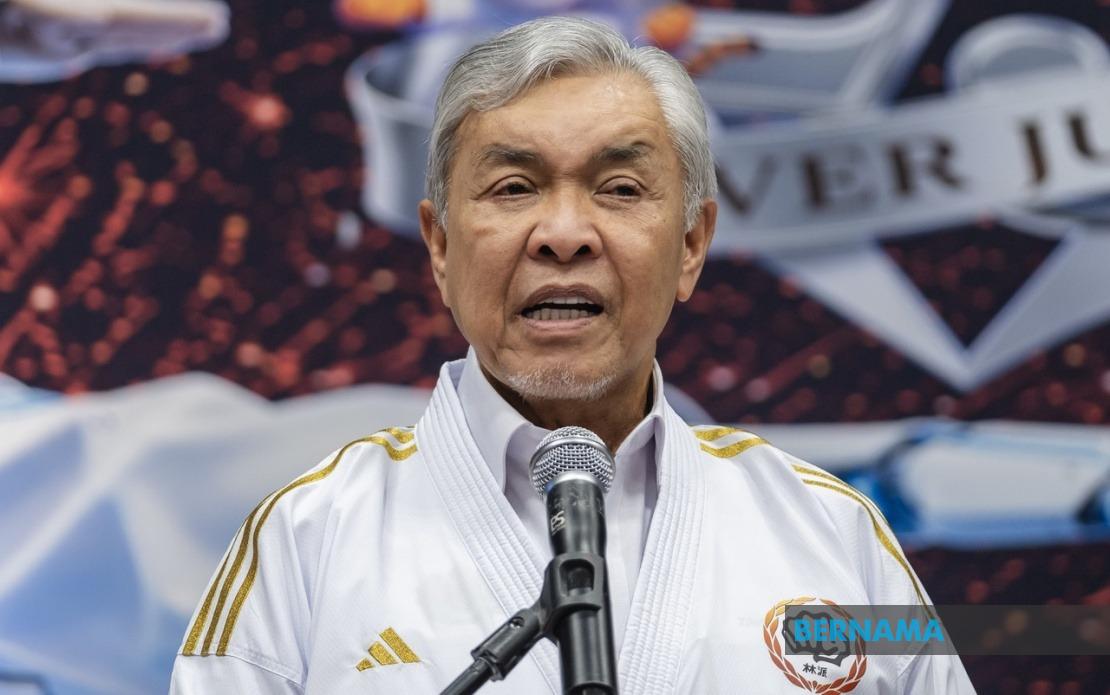
Barisan Nasional leadership has adopted a measured stance towards recent high-profile departures from the coalition, with party chairman Datuk Seri Dr Ahmad Zahid Hamidi declaring on June 26 that the governing front respects individual leaders' choices to leave the organization. Speaking after officiating the 25th International Open Karate Championship 2026 in Kuala Lumpur, the UMNO president framed the exodus as a matter of personal prerogative while signaling that the coalition would not pursue confrontational responses against those choosing to exit.
The timing of these resignations comes during the crucial final stretch before nomination day on June 27 for the Johor state election scheduled for July 11, placing scrutiny on whether BN's handling of internal departures reflects confidence or growing instability within the coalition. Ahmad Zahid's public expression of respect for departing members' autonomy represents a softer political approach than the party might have adopted in previous years, suggesting a strategic calculation that pursuing grievances could further damage morale during an important electoral contest.
Among those departing is Datuk Dr Mohd Puad Zarkashi, a former UMNO Supreme Council member who announced his immediate resignation through a Facebook statement, citing a desire to express his views more freely outside the party structure. The timing of Mohd Puad's exit carries particular significance given his seniority within UMNO's decision-making apparatus, signaling discontent from established party voices rather than merely peripheral figures. Ahmad Zahid's refusal to take action against Mohd Puad for allegedly defamatory remarks—instead choosing to wish him well and acknowledge his historical contributions—demonstrates either confidence that the departing member's criticisms lack lasting political impact or a deliberate strategy to avoid amplifying internal conflicts.
Simultaneously, incumbent Layang-Layang assemblyman Abd Mutalip Abd Rahim has also left UMNO, moving to Bersatu as part of the Perikatan Nasional opposition coalition. Abd Mutalip's defection carries distinct electoral implications for Johor, as an incumbent assemblyman switching to an opposition-aligned party represents a tangible loss of parliamentary ground. The movement toward Perikatan Nasional, which has positioned itself as an alternative to both BN and the PKR-led Pakatan Harapan, suggests that some senior UMNO figures perceive opportunity or ideological alignment with Muhyiddin Yassin's faction.
Ahmad Zahid's public messaging emphasized that the coalition's focus remains unshaken, with full backing directed toward all 56 Barisan Nasional candidates contesting in Johor. This rhetorical centering on the candidate slate rather than the departing members allows BN to reframe the narrative away from internal divisions and toward unified electoral effort. The emphasis on supporting candidates under Datuk Onn Hafiz Ghazi's Johor BN leadership also indicates efforts to project continuity and stability in the state organization despite national-level turbulence.
The sequence of departures reveals broader currents within Malaysian politics as election season intensifies. Senior party members' willingness to publicly exit UMNO and explicitly join opposition-aligned parties suggests either deep frustration with current party direction or calculation that the political landscape is shifting toward new alignments. For Perikatan Nasional, particularly Bersatu, absorbing established figures from UMNO provides credibility and organizational capacity while simultaneously weakening the long-dominant BN coalition.
From a Malaysian political perspective, these developments illustrate the continuing fluidity within the dominant coalition that has governed since independence. Unlike previous eras when UMNO departures were relatively rare, the current period sees defections as an acceptable political option, reflecting both the party's reduced monopoly and the emergence of viable alternatives within the conservative Malay-Muslim political space. The fact that Ahmad Zahid neither condemned the departures nor sought legal or organizational remedies suggests resignation to this new reality rather than effective party discipline.
The Johor state election itself becomes a test case for whether such departures translate into meaningful electoral consequences. With nomination day imminent and polling less than three weeks away, the window for absorbed candidates to campaign effectively and build support has narrowed considerably. Abd Mutalip's move to contest as a Bersatu candidate in a state where Perikatan Nasional finished third in the 2023 general election may prove strategically disadvantageous, though state-level dynamics can diverge substantially from federal patterns.
Ahmad Zahid's graciousness toward the departing members also reflects the UMNO president's broader positioning as a stabilizing figure within the party despite facing his own legal challenges. By declining to weaponize internal conflicts or pursue retaliatory actions, he maintains moral high ground while demonstrating that BN's broader coalition remains intact and focused. This approach contrasts with more adversarial political cultures and may resonate with voters fatigued by constant partisan conflict.
Looking forward, the Johor election will reveal whether these departures represent symptomatic losses that BN can absorb without significant parliamentary impact or harbingers of larger realignments. The outcome will also signal to other UMNO members considering their own positions whether remaining with the traditional ruling party or seeking opportunities elsewhere presents better prospects. For Malaysian politics more broadly, continued elite mobility between parties suggests an era of weaker ideological boundaries and more transactional coalition-building than the relatively rigid three-bloc structure that dominated recent years.

