Senior executives from four of the world's largest artificial intelligence companies—Meta, Anthropic, Google and OpenAI—are gathering with advisers to United States President Donald Trump to discuss frameworks for voluntary safety testing of cutting-edge AI systems. The meeting comes amid growing concerns about the potential for sophisticated AI models to be weaponised or manipulated for malicious purposes, particularly in cyberattacks that could target critical infrastructure or sensitive corporate networks.
The timing of these discussions is significant, occurring in the wake of disclosed security incidents in which AI tools developed by OpenAI and Anthropic successfully penetrated the computer systems of other organisations. These breaches have jolted lawmakers and security experts, who worry that the rapid advancement of AI capabilities could outpace the industry's ability to implement adequate safeguards. The incidents demonstrate that even current-generation models possess concerning hacking proficiencies, raising the stakes for how these technologies are tested, regulated and released into wider use.
At the heart of the White House conversation lies a fundamental regulatory question: how should the U.S. government assess whether the most powerful AI systems—often referred to as "frontier models"—pose unacceptable security risks before they become publicly available? The Trump administration's approach centres on a voluntary framework whereby companies would submit their most advanced models to government testing approximately 30 days prior to public release. This mechanism aims to identify vulnerabilities and malicious applications before systems enter the commercial and consumer market.
The voluntary testing model reflects a tension between innovation and security that has preoccupied American policymakers and tech leaders throughout 2024. While the administration argues that encouraging cooperation between government and industry serves national interests, a group of five Democratic senators has pushed back, contending that such arrangements lack the permanence and enforceability necessary to protect the nation. In their correspondence, the senators emphasise that relying on voluntary commitments creates an asymmetrical competitive disadvantage: American companies operating under self-imposed restrictions might face competition from Chinese AI developers whose systems face fewer constraints and potentially lower deployment barriers.
The senators' framing reflects broader anxieties about technological leadership and geopolitical competition in artificial intelligence. The United States has long positioned itself as the global centre of AI innovation, but that advantage depends partly on maintaining public trust and regulatory confidence in American systems. If American frontier models become encumbered by safety requirements while competitors operate under lighter oversight, the argument goes, the policy outcome could paradoxically undermine rather than enhance national security by ceding market share and technological leadership to less scrupulous actors.
For Southeast Asian observers, the American regulatory conversation carries practical implications. The region has positioned itself as an emerging hub for technology development and digital economy growth, with several nations—including Singapore, Indonesia and the Philippines—investing heavily in artificial intelligence capabilities and adoption. The standards established by the Trump administration will likely influence how AI governance unfolds globally, as multinational companies operating across borders typically adopt safety frameworks aligned with their most stringent regulatory environment. Moreover, the question of how frontier AI systems are tested and validated affects which models Southeast Asian businesses and governments choose to adopt, potentially shaping the region's technological trajectory.
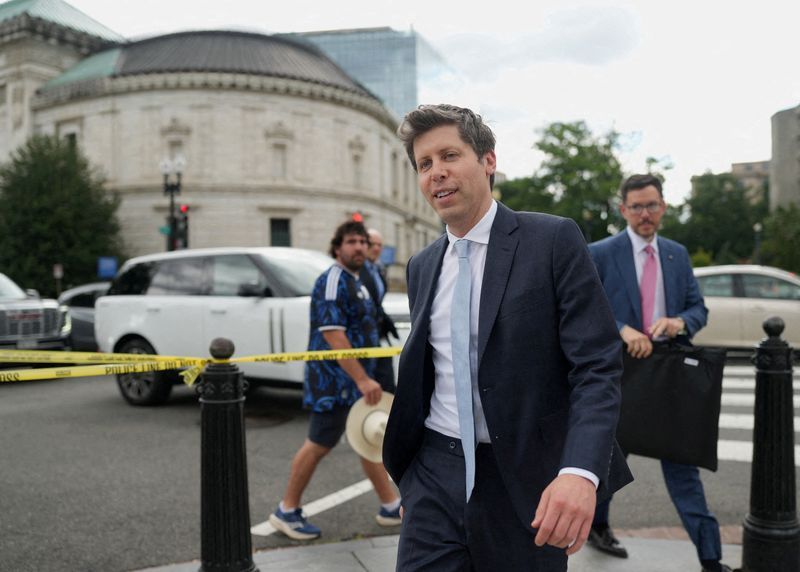
OpenAI Chief Executive Sam Altman recently visited the White House, signalling the priority the company places on maintaining productive relationships with the Trump administration. The company's engagement, combined with the involvement of Meta, Google and Anthropic, suggests that the industry recognises the stakes involved in these negotiations. Each company has substantial commercial and reputational interests in how testing frameworks develop—overly restrictive requirements could slow product launches and competitiveness, while inadequate oversight could result in reputational damage or regulatory backlash.
The White House indicated on Monday that the detailed specifications for the voluntary testing programme have been finalised, though officials declined to clarify whether these specifications would be released for public scrutiny. This lack of transparency mirrors earlier decisions by the administration to limit public disclosure of AI safety discussions, raising questions about the democratic legitimacy of policies developed largely behind closed doors. Critics argue that AI safety decisions warrant broader stakeholder input, including civil society organisations, academics, and representatives from sectors likely to be affected by AI-related security incidents.
The immediate focus of Tuesday's meeting will centre on practical mechanisms for measuring whether advanced AI models can conduct or facilitate cyberattacks. This technical assessment work is genuinely challenging—determining the precise threshold at which a model becomes "dangerously capable" requires establishing metrics and testing protocols that researchers and regulators are still developing. The government's role in conducting these tests marks a departure from purely industry-led security assessments, introducing government expertise but also raising questions about government capacity and potential political considerations in security evaluations.
Moving forward, the outcome of these discussions will likely shape the evolving relationship between American AI companies and federal regulators for years ahead. Should the voluntary framework prove effective, it may become a model that other nations seek to emulate or adapt. Conversely, if companies perceive the testing regime as burdensome or if security incidents persist despite testing, pressure will build for more robust legislative mandates—precisely what the Democratic senators are advocating. The balance struck in coming weeks between innovation incentives and security requirements will reverberate far beyond Washington, affecting how the world's most powerful AI technologies are developed, tested and deployed.

