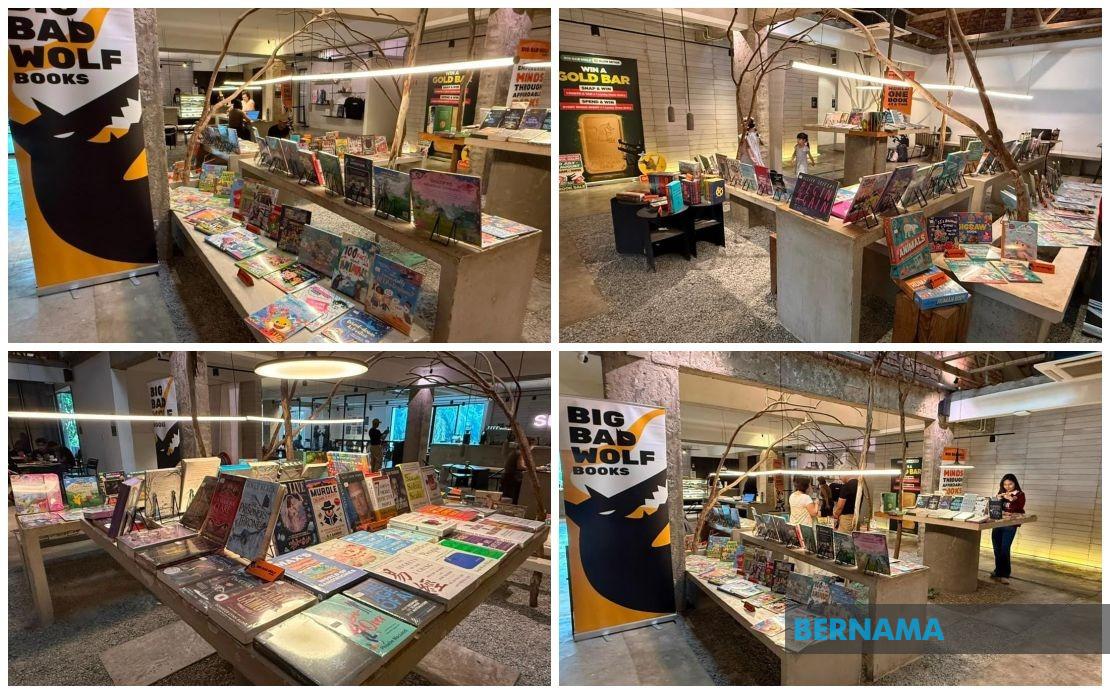
Big Bad Wolf Books, Malaysia's leading book retail event, is preparing to open its doors in Alor Setar from July 30 through August 9, bringing with it a refreshed inventory designed to capture reader interest across Kedah. The 11-day festival will operate daily from 10 am to 10 pm at Sultan Abdul Halim Stadium, with free admission for all visitors, positioning it as an accessible cultural event for the state's residents.
The fair's standout feature is its emphasis on inventory renewal. Organisers have curated a collection in which 40 percent of titles are new to the Alor Setar market, a strategic move intended to differentiate this edition from previous iterations and expand the range available to local readers. Chloe Lim Sooi Yee, representing Big Bad Wolf Books, explained that this refresh serves dual purposes: attracting repeat visitors who may have attended earlier events while simultaneously offering first-time attendees a comprehensive selection that justifies the journey to the stadium.
In a notable expansion, the fair will debut the "Little Ummah" collection of Islamic children's books in Kedah for the first time. This specialised range underscores the organisers' commitment to serving diverse community interests and reflects an understanding that children's literature remains a gateway to cultivating lifelong readers. By introducing faith-based content alongside mainstream titles, the event positions itself as inclusive and responsive to local values and educational priorities.
The scale of the operation is impressive. Big Bad Wolf Books will stock approximately one million books across all categories, from fiction and children's literature to educational texts and reference materials. Pricing strategy reflects the organisation's core philosophy of democratising access to published works. Entry-level titles start at just RM3, making quality literature affordable even for budget-conscious families. Beyond baseline pricing, the fair offers tiered discounts that can reach as high as 95 percent on selected items, effectively transforming the event into a genuine bargain bazaar for bibliophiles.
Education partnerships form another pillar of this year's approach. The organisers plan to conduct promotional visits to Kedah schools, building awareness among younger demographics and their educators. To incentivise student and teacher participation, the fair offers an additional five percent discount when purchasing at least three books. This mechanism encourages bulk purchases while rewarding institutional patrons who might otherwise find participation logistically challenging or economically marginal.
Lim articulated the broader mission driving the initiative: fostering a reading culture in Kedah and advancing literacy as a foundation for educational and cultural development. She framed Big Bad Wolf Books not merely as a retail event but as a catalyst for community engagement with knowledge. This narrative positioning—books as vehicles for community aspiration—reflects growing recognition among Malaysian cultural organisers that reading promotion extends beyond commercial transactions into social development.
Gamification techniques amplify the appeal for casual visitors. Two campaigns, "spend and win" and "snap and win," offer participating visitors the chance to win ten-gramme gold bars. While relatively modest rewards, these mechanisms transform the shopping experience into entertainment, increasing dwell time within the stadium and encouraging impulse purchases or broader exploration of the available inventory.
The target attendance of 35,000 visitors over eleven days suggests organisers anticipate strong community uptake, averaging roughly 3,200 daily visitors. For a state capital like Alor Setar, this represents significant cultural traffic and indicates confidence that the combination of fresh inventory, competitive pricing, and promotional mechanics will mobilise interest across demographic segments.
Big Bad Wolf Books has cultivated its market position through the philosophy of "accessible and affordable books for all," a statement repeated throughout its communications. In the Malaysian context, where reading consumption remains lower than many regional peers and where book prices can constitute meaningful expenditure for average households, this positioning carries real relevance. The fair becomes an opportunity for price-sensitive readers to build personal libraries or gift collections without substantial financial commitment.
The timing of the Alor Setar event, occurring during the school holidays, aligns with family leisure patterns and school break dynamics. Parents seeking educational diversions for children and students using free time for personal development represent natural market segments. The deliberate inclusion of Islamic children's literature suggests culturally informed curation, recognising that Kedah's population and values shape preferences in children's reading materials.
From a regional perspective, Big Bad Wolf Books' continued expansion into tier-two cities like Alor Setar reflects the growing decentralisation of Malaysian retail culture. Rather than concentrating events in Kuala Lumpur or major metropolitan centres, the organisation distributes opportunities across the country, acknowledging that reading enthusiasm and literacy aspirations extend beyond urban cores. This approach supports the stated goal of advancing a nationwide reading culture rather than consolidating elite cultural access in capital cities.
The fair also serves practical community functions. For schools and educators, the opportunity to access bulk quantities of quality books at steep discounts provides genuine value, potentially enabling educational institutions to refresh classroom libraries or expand reading programmes. The promotional school visits represent outreach that mainstream publishing and retail rarely undertake, effectively democratising information about available resources.
As Malaysia navigates questions about educational quality, information literacy, and cultural engagement, events like Big Bad Wolf Books contribute incrementally but measurably to ecosystem development. By making books more accessible, affordable, and visible, the fair removes friction from the reader pipeline, converting interest into actual consumption. The Alor Setar edition represents both commercial opportunity for the organisers and cultural investment for Kedah residents seeking to strengthen their relationship with the written word.

