The modern working day presents a paradox for those concerned about skin health. Whether you are positioned at a desk bathed in morning sunlight streaming through office windows or hunched over screens for hours at a time, your skin faces a consistent barrage of aging factors that operate silently and cumulatively. The comfortable assumption that remaining indoors provides adequate protection against photoaging—the premature ageing of skin through light exposure—turns out to be dangerously misleading, particularly for professionals in Malaysia and across Southeast Asia where tropical climates and high humidity intensify these challenges.
The scientific foundation underlying this concern is sobering. Research indicates that approximately 80% of visible skin ageing occurs not during vacations to sunlit beaches or tropical getaways, but through incidental daily exposure accumulated during ordinary life. A quick walk to a nearby restaurant, sitting beside a window whilst working, or even brief moments spent commuting between air-conditioned buildings all contribute to this cumulative photodamage. This realization fundamentally shifts how individuals should approach their skincare strategies, moving away from the notion that sun protection is primarily relevant only during leisure activities.
What makes this challenge particularly acute in the contemporary workplace is the emergence of a second, less recognized threat: high-energy visible light, commonly referred to as blue light. Screens—whether from laptops, smartphones, tablets, or office lighting systems—emit this blue light continuously throughout the working day. Studies suggest that approximately 25% of oxidative cellular damage experienced by the skin actually originates from blue light exposure rather than from traditional UV radiation. For the millions of Southeast Asian office workers who spend eight or more hours daily in front of digital devices, this represents a significant and previously underappreciated risk factor.
The dual assault of UV radiation and blue light operates through similar mechanisms at the cellular level. Both trigger oxidative stress within skin cells, accelerating the breakdown of collagen and elastin—the structural proteins that maintain skin firmness and elasticity. Over time, this manifests as fine lines, deepening wrinkles, uneven skin tone, and the stubborn dark spots or hyperpigmentation that become increasingly pronounced with age. The insidious nature of this damage lies in its invisibility; individuals may not perceive any immediate discomfort or visible change, yet the cumulative effect gradually reshapes facial appearance.
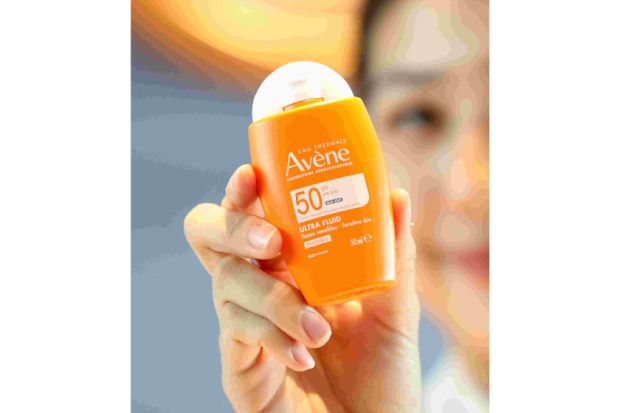
Recognizing these modern challenges, Eau Thermale Avene, a skincare brand owned by Pierre Fabre Singapore Pte Ltd, introduced its Ultra Fluid Range at an experiential launch event on July 30, 2026. The collection comprises four distinct sunscreen formulations designed to accommodate different skin types and daily routines, each incorporating the brand's proprietary TriAsorB sun filter technology. This development reflects a broader industry shift toward acknowledging that one-size-fits-all suncare approaches fail to address the nuanced requirements of diverse populations and lifestyles.
Cristiana Irimescu, Asia export business director for Pierre Fabre Singapore Pte Ltd, articulated at the launch event the historical tension that has long constrained consumer choices in suncare. For decades, individuals faced an uncomfortable trade-off: either prioritize genuine skin protection at the expense of cosmetic appeal and comfort, or accept a lighter cosmetic feel while compromising on photoprotection. Many sunscreens delivered effective UV blocking but left skin feeling heavy, sticky, or visibly white-cast—factors that discouraged daily application, particularly in humid climates where such residues become uncomfortable within hours. This formula-level compromise has proven a significant barrier to consistent sun protection habits.
Dr Syairah Nadia Mohamad, chief executive officer of Radiant Clinique, emphasized during the event that the skin itself does not differentiate between exposure circumstances. Whether one spends a day in direct tropical sunshine or working under office fluorescent lights adjacent to a window, the skin experiences damage that accumulates identically. This perspective challenges the compartmentalized thinking that has long characterized sun protection discussions, where individuals reserved sunscreen application primarily for weekends or outdoor activities. The scientific reality demands a fundamental reorientation: daily protection must become as routine as brushing teeth, regardless of whether one's day unfolds indoors or outdoors.
The TriAsorB filter technology at the heart of Avene's new range represents an advancement in broad-spectrum protection, addressing UVA and UVB radiation whilst extending coverage to include high-energy visible blue light. This comprehensive approach acknowledges that modern skin faces multiple simultaneous threats rather than a single source of photodamage. The filter's formulation enables the range to shield the skin's natural condition whilst maintaining compatibility with sensitive skin types, a crucial consideration across Southeast Asian markets where skin sensitivities are prevalent and climate conditions impose additional stress on skin barriers.
Equally significant to the protective technology is the formulation philosophy underlying this launch. Avene has committed to what the brand terms a "strictly clean formula," eliminating silicone, alcohol, and controversial chemical filters entirely. This approach addresses growing consumer concern regarding chemical cumulation and long-term safety, particularly relevant in regions where environmental pollution already stresses skin significantly. By removing these ingredients, the formulation reduces potential irritants whilst maintaining protective efficacy, making daily application more suitable for individuals with reactive or compromised skin barriers.
The introduction of four distinct variants within the Ultra Fluid Range acknowledges a reality that generic skincare products often overlook: individuals maintain widely varying daily routines, skin conditions, and aesthetic preferences. Some may prioritize maximum protection for extended outdoor work, whilst others require lightweight formulations that integrate seamlessly with makeup routines or layered skincare regimens. By offering multiple options, Avene enables consumers to select products specifically calibrated to their circumstances rather than forcing compromise. This tailored approach proves particularly valuable in diverse Southeast Asian markets spanning different climates, humidity levels, and occupational patterns.
The promise of "one-second absorption" and an ultra-fluid texture twice as light as conventional sunscreens directly addresses a primary reason for sunscreen non-compliance: the sensory experience and practical convenience. In tropical environments where perspiration, humidity, and heat already challenge skin comfort, additional heaviness from skincare products creates genuine friction against daily application. A formula that absorbs rapidly and leaves no perceptible residue removes this barrier, transforming sun protection from an awkward daily obligation into an invisible, effortless habit. This focus on user experience reflects sophisticated understanding that scientifically superior formulations prove worthless if individuals abandon consistent application.
For Malaysian and Southeast Asian professionals navigating modern work environments, the implications extend beyond personal skincare choices. The growing recognition that daily, incidental exposure causes the vast majority of visible skin ageing supports a cultural shift in how workplaces approach employee wellness. Facilities offering natural window views, adequate UV-protective glazing, or screen filters represent investments in worker health. Similarly, corporate cultures that normalize visible sunscreen application and encourage regular reapplication during the working day can meaningfully reduce lifetime photodamage across entire employee populations. These considerations align with broader wellness initiatives gaining traction throughout the region.
The launch of comprehensive daily sun protection products ultimately reflects a maturation in skincare science. Rather than viewing sun protection as optional or context-dependent, contemporary evidence demonstrates its necessity as a fundamental aspect of health maintenance. For individuals spending significant portions of their day indoors—a category encompassing the majority of Malaysia's urban workforce—the assurance that effective protection exists in lightweight, cosmetically elegant formulations removes the excuse for inconsistency. The combination of scientific advancement, formulation innovation, and acknowledgement of real-world practical constraints creates conditions where daily photoprotection can finally transition from an aspirational ideal to a genuinely achievable habit.

