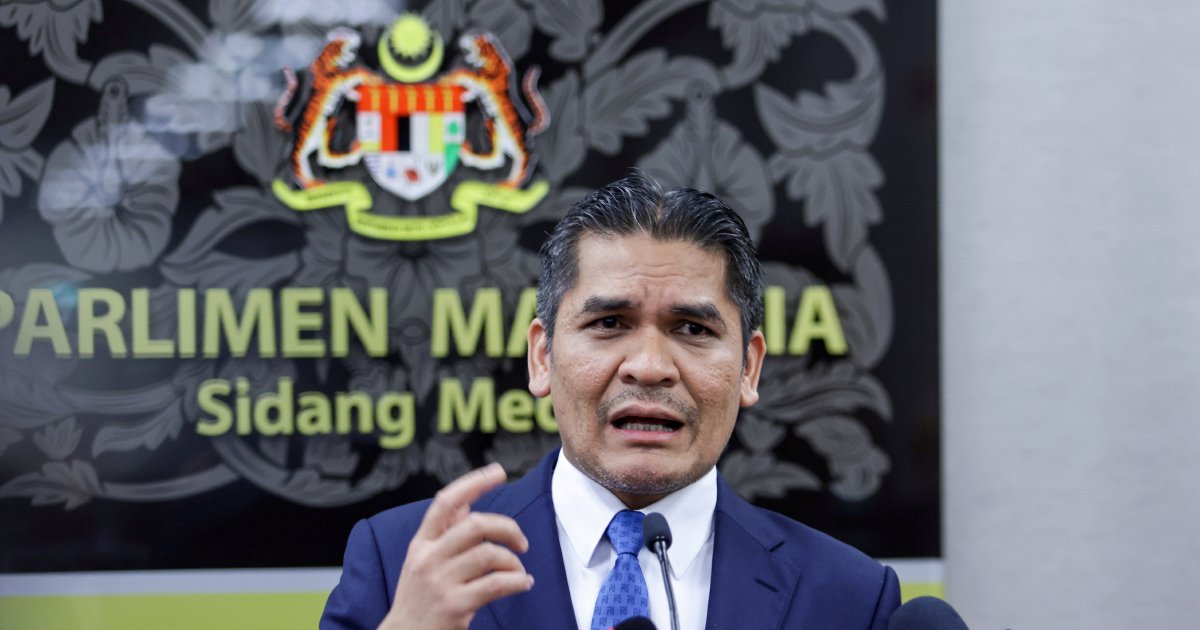
Bersatu's parliamentary contingent will not stage a walkout during today's special sitting of the Dewan Rakyat to discuss the Royal Commission of Inquiry report into Lembaga Tabung Haji, party leadership has confirmed. Datuk Dr Radzi Jidin, a senior figure within the Bersatu-led government coalition, made the announcement ahead of what promises to be a significant parliamentary session focused on the findings and recommendations from the RCI investigation into Malaysia's Islamic pilgrimage fund.
The confirmation comes at a politically sensitive moment, as the special sitting represents one of the parliament's most scrutinised discussions on Tabung Haji's governance and operational integrity. The RCI's report is expected to contain detailed assessments of how the institution has managed pilgrim savings and investments, matters of considerable public interest given Tabung Haji's role as custodian of funds for hundreds of thousands of Malaysian Muslims planning or having completed the Hajj pilgrimage.
Tabung Haji has faced sustained scrutiny in recent years regarding its financial performance, investment decisions, and management practices. The Royal Commission of Inquiry was established to conduct an independent examination of these operational matters and to provide recommendations for institutional reform. Today's sitting represents parliament's formal opportunity to review these findings and debate potential policy responses, making the presence of all coalition members symbolically important for demonstrating unified government support for whatever corrective measures may be proposed.
Radzi Jidin's statement addresses what had apparently been uncertainty or speculation about whether Bersatu MPs might abstain or leave the chamber during proceedings. In Malaysian parliamentary practice, such boycotts or walkouts can carry significant political weight, potentially signalling disagreement with government direction or lack of confidence in leadership handling of sensitive issues. By pre-emptively confirming Bersatu's full participation, the party leadership has effectively closed off one potential avenue for demonstrating internal coalition discord on this matter.
The Bersatu party, as a crucial component of the current governing coalition, occupies a delicate political position. Party members hold several ministerial portfolios and maintain influence over government direction, yet must also balance factional interests and respond to grassroots sentiment on issues of public concern. Tabung Haji's governance challenges have attracted attention across Malaysia's political spectrum and among the broader Muslim community, making this RCI report discussion a test of coalition cohesion and government credibility on financial management and institutional accountability.
Parliamentary attendance during such special sittings carries procedural and political importance beyond mere formality. Full attendance by government coalition MPs signals to the electorate and international observers that the administration stands behind its inquiries and is prepared to implement findings transparently. Conversely, absences or walkouts risk appearing to suggest discomfort with accountability measures or internal disagreement on institutional reform, potentially undermining public confidence in government governance and anticorruption commitments.
The special sitting format itself indicates parliament's determination to prioritise this issue during the current session. Rather than treating the RCI report as routine business to be slotted into regular parliamentary proceedings, the decision to convene a dedicated sitting underscores the perceived importance and complexity of the matters at hand. This procedural emphasis reflects recognition that Tabung Haji governance extends beyond narrow institutional concerns to touch on broader questions about how government safeguards citizen assets and maintains fiduciary responsibility.
For Malaysian citizens with savings in Tabung Haji, the RCI report and today's parliamentary debate carry direct personal relevance. Millions of Muslims have entrusted substantial sums to the fund over decades, and concerns about investment performance or management decisions directly affect their pilgrimage plans and financial security. Parliamentary discussion of the RCI findings provides an opportunity for elected representatives to scrutinise findings, question accountability mechanisms, and signal to Tabung Haji leadership that institutional reform will be taken seriously.
Bersatu's public commitment to full attendance also carries implications for Malaysia's broader coalition politics. The party's continued participation in government, following shifts in the country's political landscape, depends partly on demonstrating reliability as a coalition partner willing to support government initiatives and face parliamentary challenges collectively. Any hint of dissent or disengagement on significant national issues risks weakening Bersatu's negotiating position within coalition discussions or raising questions about party discipline.
The RCI investigation into Tabung Haji reflects wider international and domestic trends toward enhanced scrutiny of state-linked financial institutions and investment funds. Malaysia, like comparable Muslim-majority nations, has experienced growing calls for transparency and accountability in how Islamic institutions manage public assets. The establishment of the RCI and the subsequent parliamentary debate represent institutional responses to these pressures, demonstrating that Malaysian governance mechanisms can address concerns through established investigative and legislative processes.
Today's sitting will likely generate detailed discussion of the RCI's specific findings and the government's intended response framework. Parliamentary debate may reveal varying viewpoints within and between coalition parties regarding the severity of any governance failures identified and the stringency of reform measures required. Regardless of internal discussions, Bersatu's confirmation that its MPs will remain throughout the proceedings demonstrates a baseline commitment to engaging constructively with parliament's accountability function on this significant institutional matter.

