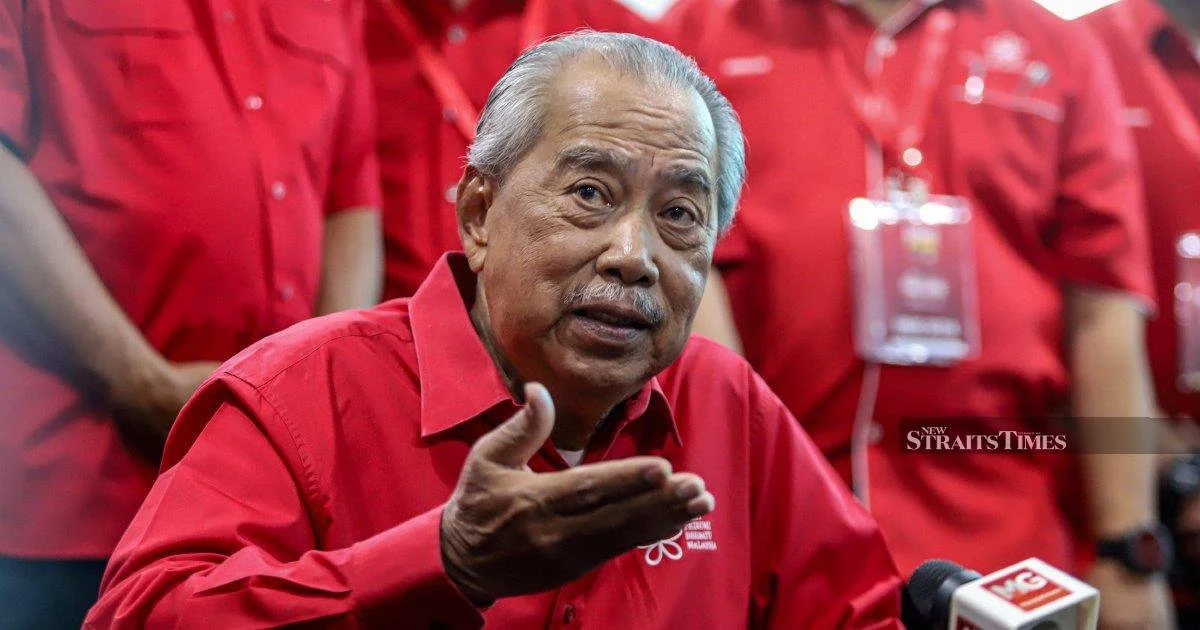
Bersatu has criticised PAS for pursuing political talks with Barisan Nasional independently, without seeking the input or agreement of fellow Perikatan Nasional coalition members. The rebuke from Bersatu comes as Negri Sembilan prepares for state elections, a contest that threatens to expose further fractures within Malaysia's fractious opposition alliance.
The move reflects deepening tensions within Perikatan Nasional, which has struggled to maintain unity since its formation. Bersatu's objection signals that unilateral decision-making by one party, particularly regarding negotiations with rival blocs, remains a persistent source of frustration among alliance members. Such complaints underscore the precarious nature of opposition unity in Malaysia, where personal ambitions and organisational interests frequently collide with broader coalition objectives.
Barsian Nasional's engagement with PAS, whether formal or exploratory, carries significant political weight. The BN coalition remains the establishment force in Malaysian politics, commanding resources, incumbency advantages, and institutional backing. Any talks between BN and opposition figures or organisations inevitably raise questions about potential electoral pacts, seat allocations, or even broader political realignments that could reshape the Malaysian political landscape.
Negri Sembilan represents a critical testing ground for these internal dynamics. The state has historically been competitive, and the emergence of a united or fragmented opposition could substantially alter electoral outcomes. Local voters and analysts are watching closely to see whether Perikatan Nasional can present a cohesive front or whether internal bickering will fracture its campaign momentum and allow BN to retain control.
Bersatu's public complaint also reflects the party's own strategic anxieties. As a relative newcomer to opposition politics, Bersatu has sought to establish itself as a serious player rather than merely a junior partner. Any decisions made without Bersatu's involvement arguably diminish the party's standing within the coalition and potentially sideline its interests in seat negotiations and electoral planning.
PAS, as an established Islamic party with significant rural support and organisational machinery, operates from a position of considerably greater strength within Perikatan Nasional. The party's willingness to engage BN separately may reflect confidence in its own negotiating position, or alternatively, a calculation that broader coalition approval is unnecessary for exploratory conversations. This asymmetry in power and influence has repeatedly plagued opposition alliances in Malaysia.
The timing of these talks, occurring before a state election rather than after, adds another layer of complexity. Pre-election negotiations with rival coalitions risk confusing voters about party messaging, diluting campaign focus, and creating perceptions of opportunism rather than principled opposition politics. For Bersatu, the absence of consultation compounds these problems, leaving the party forced to respond reactively rather than shape the narrative proactively.
Bersatu's public criticism, while justified from an internal coalition perspective, also carries risks. Airing grievances publicly rather than resolving them through private channels can further weaken Perikatan Nasional's overall electoral appeal, particularly among voters seeking stable, unified alternatives to BN governance. Swing voters and undecided constituencies may interpret such infighting as evidence that opposition parties lack the discipline and coherence necessary to govern effectively.
The broader context matters significantly for understanding this dispute. Malaysia's political system remains dominated by personality-driven politics and shifting alliances. The PN coalition was itself born from dramatic defections and realignments, and its member parties have periodically flirted with crossing into government. Against this historical backdrop, unilateral negotiations with BN, regardless of their substance, inevitably trigger alarm bells among alliance partners worried about their own position or the coalition's stability.
For Malaysian voters, particularly those in Negri Sembilan, these internal party squabbles present a dilemma. Perikatan Nasional promises opposition to BN's long-held dominance, yet its inability to maintain party discipline and collective decision-making undermines confidence in that promise. Simultaneously, BN's apparent willingness to hold talks with individual PN components suggests flexibility that some voters might view positively, while others interpret as evidence of opportunistic dealmaking.
The Negri Sembilan election will provide an early indicator of whether these tensions damage opposition electoral prospects. A PN defeat could accelerate further internal recriminations, potentially hastening the coalition's fragmentation. Conversely, a strong showing might temporarily paper over divisions, though the underlying problems would remain unresolved.
Bersatu's complaint underscores a fundamental challenge facing Malaysian opposition politics: reconciling the need for coalition unity against entrenched incumbency with the reality that member parties retain distinct organisational interests and ideological identities. Until PN develops institutional mechanisms and decision-making procedures that genuinely accommodate all partners' concerns, such disputes will continue surfacing at politically inconvenient moments, hampering the coalition's effectiveness.

