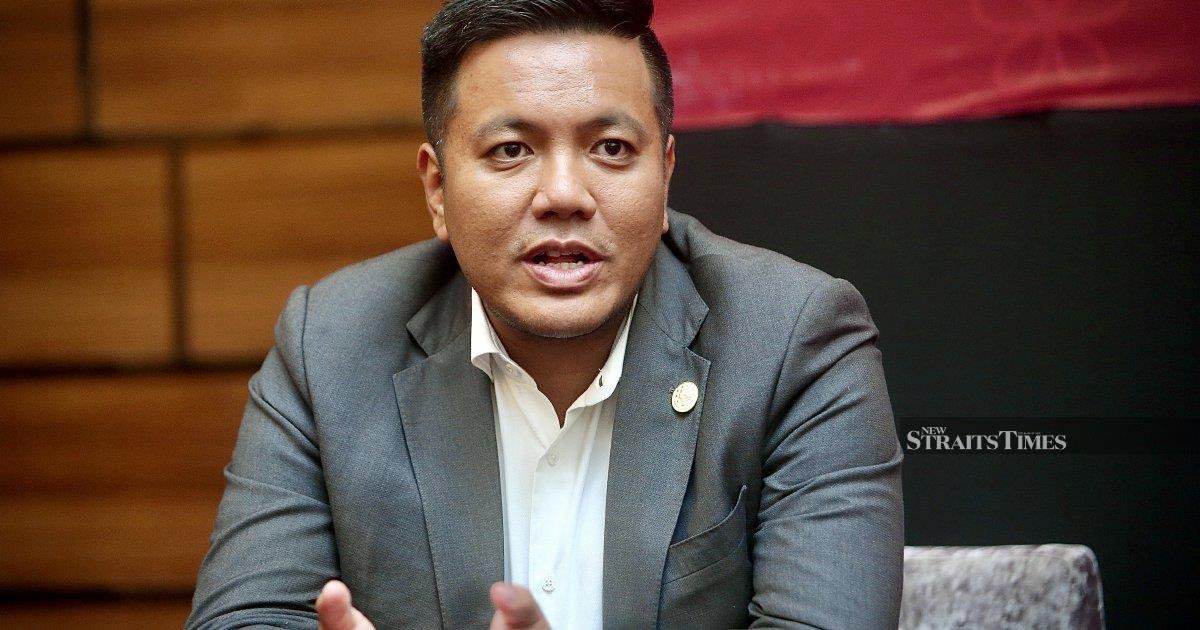
Bersatu has intensified political pressure on former Tabung Haji chairman Datuk Seri Abdul Azeez Abdul Rahim by demanding he publicly clarify his interactions with the Malaysian Anti-Corruption Commission (MACC) regarding the recently released Royal Commission of Inquiry (RCI) findings into the troubled pilgrimage fund.
The call represents an escalation in scrutiny surrounding the governance failures and financial irregularities that have plagued Tabung Haji in recent years. By demanding transparency about MACC involvement, Bersatu is signalling that the party expects enforcement authorities to take decisive action on the RCI's discoveries, while simultaneously pressuring the former chairman to account for his stewardship of the institution.
Tabung Haji, which manages savings and investments for Malaysian Muslims undertaking the hajj pilgrimage, has faced mounting criticism over allegations of mismanagement, questionable investments, and governance lapses that have eroded public confidence in the institution. The Royal Commission of Inquiry was established to thoroughly investigate these concerns and identify systemic weaknesses in the organisation's operations and decision-making structures.
The RCI's conclusions have apparently triggered concern within political circles about whether relevant authorities are moving swiftly enough to investigate implicated individuals. Bersatu's public demand for clarification from Datuk Seri Abdul Azeez reflects broader anxiety that high-profile figures associated with past mismanagement may escape meaningful accountability without sustained political and institutional pressure.
For Malaysian Muslims entrusting their hajj savings to Tabung Haji, the unfolding accountability process carries significant personal stakes. Many contributors have expressed anxiety about the security and returns on their deposits, particularly given the institution's troubled recent history. The public dispute now unfolding over whether enforcement officials have adequately responded to RCI findings directly impacts public confidence in whether the system can deliver justice and prevent future abuses.
The timing of Bersatu's intervention suggests the party is monitoring how expeditiously MACC pursues leads uncovered during the RCI process. In Malaysian politics, such calls for clarification often serve as pressure mechanisms to accelerate investigations that may otherwise move slowly through bureaucratic channels. By demanding public disclosure, Bersatu is essentially challenging the former chairman to either confirm or deny contact with authorities, effectively narrowing his room for silence.
Datak Seri Abdul Azeez's tenure at Tabung Haji occurred during a period when multiple governance questions emerged regarding investment decisions, financial reporting, and internal controls. The RCI investigation would have necessarily examined the role of leadership during this period, making it probable that the commission's findings contain recommendations relevant to his conduct and decision-making authority.
The demand for transparency also reflects broader questions about how Malaysia's anti-corruption ecosystem responds to major institutional failures. When royal commissions identify governance lapses, the expectation among the public and opposition parties is that enforcement authorities will swiftly pursue appropriate investigations and, where warranted, prosecutions. Any perceived delay or inaction becomes a focal point for criticism about institutional competence and political will.
For Tabung Haji itself, the continued controversy surrounding former leadership during the RCI investigation period creates ongoing reputational challenges. The institution must simultaneously rebuild operational credibility, reassure contributors about enhanced safeguards, and navigate the uncomfortable reality that past management decisions have become subjects of official investigation. Transparency about whether former leaders face MACC scrutiny would help clarify whether the organisation is moving toward genuine reform or remaining entangled in unresolved questions about historical conduct.
Bersatu's intervention also signals that political parties across the spectrum recognise public concern about Tabung Haji as a substantive issue beyond factional politics. The institution's troubles affect millions of Malaysian Muslim contributors regardless of their political affiliations, making oversight of the accountability process a legitimate area for cross-party scrutiny and pressure for results.
The broader implications extend to how Malaysia handles governance failures at significant public institutions. Whether enforcement authorities respond decisively to RCI findings on Tabung Haji will establish precedents for how seriously the system takes institutional accountability in future cases. Bersatu's pressure represents a mechanism through which political actors can maintain public focus on whether promised reforms translate into actual consequences for responsible officials.
For international observers monitoring Malaysia's anti-corruption efforts, the handling of post-RCI enforcement regarding Tabung Haji provides a concrete test case of whether institutional investigations produce meaningful accountability or serve primarily symbolic functions. The demand from Bersatu that Datuk Seri Abdul Azeez clarify his MACC interactions reflects recognition that public confidence in the process depends on visible, substantive action rather than administrative procedures conducted behind closed doors.

