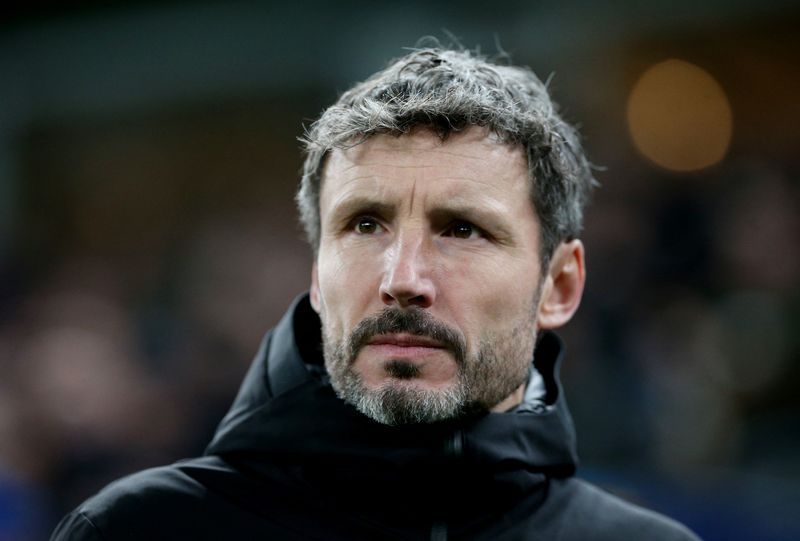
Mark van Bommel has made clear he harbours no regrets about accepting the Belgium coaching position, despite the Netherlands remaining without a permanent manager following the World Cup. The 49-year-old former defender addressed the speculation head-on during his inaugural press conference as Belgian coach, underlining that the chance to lead a top-tier international side represented an opportunity he could not afford to miss.
Van Bommel's appointment came swiftly after Rudi Garcia's departure, with the Belgian Football Association moving decisively to install their new coach ahead of upcoming competitive fixtures. The timing of his arrival leaves little room for lengthy deliberation, and Van Bommel has indicated that his focus lies entirely on the task ahead rather than roads not taken. When pressed on whether he might have held out for the Dutch vacancy, his response was unambiguous: the prospect simply did not occupy his thoughts.
The Belgium position carries considerable prestige within European football. Van Bommel's experience at the highest club level—including stints with Barcelona, Bayern Munich, and AC Milan—has prepared him to handle the complexities of managing elite players, yet international football demands a different skill set. The coach acknowledged this distinction while emphasising that the challenge aligns with his ambitions. His international pedigree as a player, including participation in the 2010 World Cup final with the Netherlands, provides valuable perspective on the pressures and expectations that accompany such roles.
In recent years, Van Bommel has received numerous coaching offers across various competitions, yet he remained selective about which opportunities warranted serious consideration. This measured approach suggests he recognises the importance of environmental fit and long-term alignment with club or national objectives. The Belgium posting distinguished itself through both the calibre of the national squad and the timing of the approach, compelling him to move quickly rather than entertain alternatives.
Belgium's recent World Cup performance, which saw the team reach the quarter-finals, provided a foundation of recent success upon which Van Bommel can build. The departure of Garcia, despite this respectable tournament showing, indicates the federation's appetite for fresh direction and potentially different tactical approaches. The incoming coach faces the task of revitalising a squad that has already demonstrated it possesses world-class talent, particularly in attacking positions.
Winning trophies represents Van Bommel's primary objective, though he tempered expectations with realistic acknowledgment of the complexities involved in international competition. Unlike some coaches who boldly proclaim championship ambitions, he adopted a more measured tone, noting that numerous variables influence outcomes over the course of qualifying campaigns and tournaments. His caution reflects mature understanding of how swiftly momentum can shift in competitive football, where squad depth, injury management, and tactical adaptation prove decisive.
The European Championship serves as Belgium's next major tournament objective, though immediate focus falls upon the Nations League and upcoming fixtures beginning with an away encounter against Italy in Rome on September 25. The September-October international window will feature additional matches against Turkey and France, providing Van Bommel with early opportunities to evaluate his squad and establish his preferred systems. These early assignments carry particular significance in any new coaching relationship, setting tone and expectation for future campaigns.
One early challenge involves persuading goalkeeper Thibaut Courtois to reverse his post-World Cup decision to take a break from international football. Van Bommel has signalled his intention to engage directly with the Real Madrid custodian without rushing to conclusions about his international future. The coach's approach prioritises dialogue and understanding of Courtois' perspective rather than issuing ultimatums, suggesting a management style rooted in collaboration. Van Bommel recognised that Courtois' stated position may prove temporary, and intensive dialogue combined with renewed squad involvement might alter his thinking.
The broader context of Van Bommel's appointment reflects Belgian football's commitment to sustaining competitiveness among Europe's elite nations. The federation's quick action in securing a replacement, combined with his acceptance without hesitation, demonstrates mutual recognition of the opportunity's significance. For Malaysian readers and Southeast Asian football enthusiasts, Van Bommel's journey illustrates how international football continues drawing premier league talent and experienced tacticians into national team roles, where the spotlight and expectations rival even the most prestigious club positions.
Van Bommel's insistence that he did not contemplate waiting for the Netherlands vacancy reinforces the distinction between managing at club level and directing a national team. The permanence and prestige associated with international football command respect that transcends short-term considerations. His eagerness to commence work with Belgium's squad suggests confidence in both the team's capabilities and his own capacity to extract maximum performance during a demanding qualification and tournament schedule ahead.

