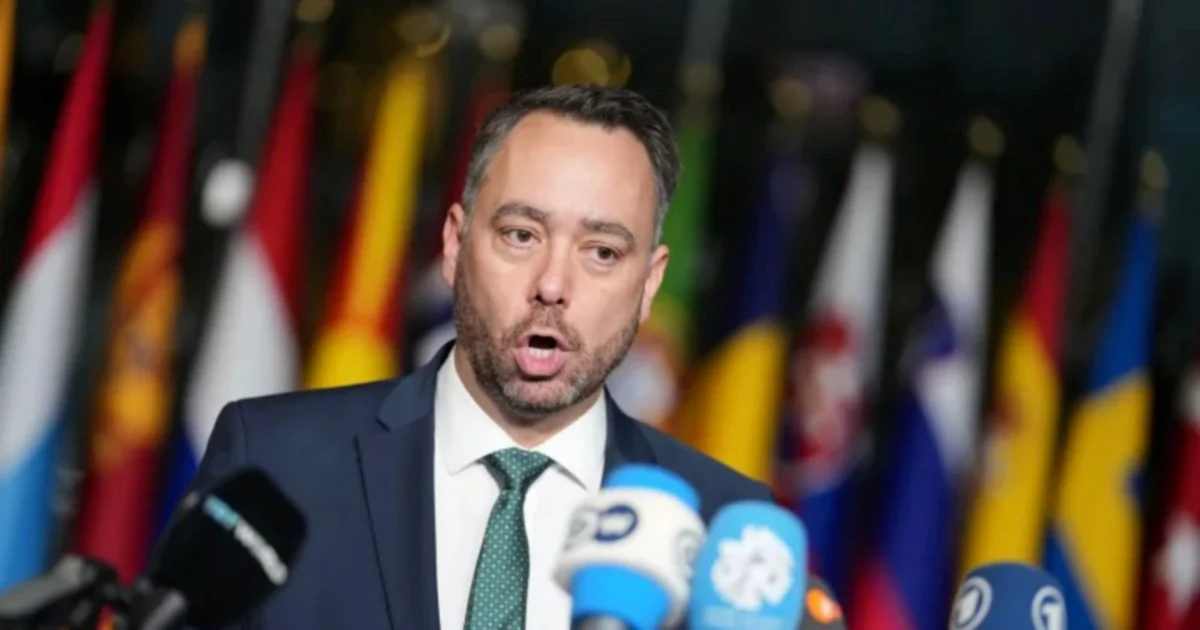
Belgium's Deputy Prime Minister and Foreign, European Affairs and Development Cooperation Minister Maxime Prevot is set to arrive in Malaysia tomorrow for a two-day working visit that signals deepening engagement between the two nations on emerging sectors critical to both economies. The visit reflects growing European interest in Asia-Pacific partnerships as geopolitical dynamics shift and countries pursue alternative sources for critical materials and green technology innovation.
The scope of discussions planned during Prevot's stay indicates a carefully constructed bilateral agenda designed to leverage complementary strengths. Malaysia's established position in rare earth element processing and its emerging renewable energy capacity position it as a strategic partner for Belgium, a European Union member actively pursuing its climate transition objectives. Conversely, Belgium's technological expertise and established connections within the EU framework offer Malaysia pathways toward deeper integration with European green energy initiatives and potential funding mechanisms for sustainable development projects.
Renewable energy cooperation represents the centrepiece of these talks, reflecting both nations' commitments to climate targets. Belgium has been advancing its own decarbonisation goals through increased wind and solar investment, while Malaysia seeks to diversify its energy portfolio beyond fossil fuels. The discussions likely encompass technology transfer, joint research initiatives, and potential investments in solar and wind projects within Malaysia. For Southeast Asia's energy-dependent economies, such partnerships with technologically advanced European nations provide crucial pathways toward meeting regional renewable energy targets while building local capacity in green sectors.
The rare earth elements dimension of these discussions carries particular significance in the current global context. As supply chain vulnerabilities continue to shape international trade dynamics, Malaysia's existing rare earth processing infrastructure becomes increasingly valuable. The nation has historically played a role in the global rare earth supply chain, and discussions with Belgium suggest exploring how this capacity might be leveraged for both countries' strategic needs. European nations, facing potential supply disruptions from traditional sources, view diversified sourcing arrangements as essential insurance against geopolitical pressures affecting critical material supplies.
Malaysia's halal industry, a sector worth billions annually and spanning food, pharmaceuticals, cosmetics, and logistics, represents another dimension of potential collaboration. Belgium, hosting numerous multinational corporations and food processing facilities serving European and global markets, maintains significant interest in halal certification and production standards. These discussions could explore mutual recognition frameworks, capacity building initiatives, or joint ventures that help Belgian companies meet growing halal demand across diverse markets while supporting Malaysian industry expansion into European channels.
The timing of Prevot's visit coincides with a period of intensifying bilateral engagement between Malaysia and European nations across multiple sectors. Following years of focus on intra-Asian partnerships, Malaysia increasingly seeks diversified international relationships that strengthen economic resilience. Belgium's status as both an EU member and a global financial and trade hub makes it a valuable partner for accessing broader European markets and regulatory frameworks that shape international commerce.
From a Malaysian perspective, engaging with senior European officials on these three sectors simultaneously demonstrates a comprehensive approach to economic diversification and technological advancement. The halal industry discussions carry particular weight, given Malaysia's aspirations to position itself as the global halal hub. Partnerships with established European economies validate Malaysia's standards and open doors to consumers and businesses seeking certified products across wealthy developed markets where disposable incomes support premium pricing for verified halal goods.
The renewable energy component carries implications extending beyond bilateral relations. As Southeast Asia pursues energy independence and climate commitments, successful collaboration frameworks established through such visits create templates for broader regional engagement. Investors and policymakers across the region observe high-level diplomatic visits closely, as they signal which sectors governments prioritise and which partners they trust for technology and capital partnerships. Belgium's engagement suggests to the broader investment community that Malaysia offers reliable opportunities in green energy despite the region's energy abundance.
Rare earth element discussions also ripple across regional supply chains and geopolitical considerations. Southeast Asia's role in global critical material processing has grown substantially, and consolidating relationships with European partners through diplomatic channels helps secure long-term commercial arrangements. Such discussions often precede commercial negotiations, establishing political frameworks within which companies can operate confidently.
For Belgium, the visit underscores the EU's broader strategy of building partnerships with nations capable of contributing to European green transition goals and reducing dependency on problematic supply sources. Smaller EU members like Belgium often lead in developing specialized partnerships in Asia, leveraging their global commercial networks to advance collective EU interests while pursuing individual economic opportunities.
The success of Prevot's visit will likely be measured not immediately in signed agreements but in establishing working groups, committing to further technical discussions, and identifying specific project opportunities within each sector. Such visits typically generate momentum for subsequent commercial missions and formal negotiations between companies and government agencies in both nations.
For Malaysian stakeholders, the visit represents validation of the nation's relevance to developed economies pursuing sustainability goals and supply chain diversification. It also demonstrates that Malaysia's strategic value extends beyond traditional manufacturing and remains compelling in emerging sectors like renewable energy and critical materials processing.

