A postdoctoral researcher at Ghent University in Belgium has been suspended after making plagiarism accusations against Jason Arday, a Cambridge professor who died this month following the emergence of those claims. Nathan Cofnas, based in the institution's philosophy and moral sciences department, faces investigation by the university over the allegations and what it regards as discriminatory conduct. The sequence of events has reignited debate around academic integrity, institutional accountability, and the boundaries of protected speech within higher education.
Arday, 41, had achieved prominence as Cambridge's youngest Black professor when appointed to a professorship in the sociology of education in 2023. His appointment represented a notable milestone for diversity in British academia. However, his career trajectory took a sharp turn in July when allegations of plagiarism surfaced publicly, alongside separate questions concerning aspects of his academic record and personal biographical claims. The accusations generated significant scrutiny and media attention across multiple continents, forcing institutions to examine their vetting procedures and the verification of claims made by candidates during recruitment processes.
The Cambridge academic tendered his resignation on August 5, issuing a statement that his departure should not be construed as validation of the narratives that had surrounded him during the preceding weeks. His decision to step down came before any formal institutional investigation had commenced. Seven days after his resignation announcement, Cambridge declared it would nonetheless examine the circumstances and process that had led to his original appointment. The apparent institutional lag raised questions about the timing and rigour of internal review mechanisms at one of the world's most prestigious universities.
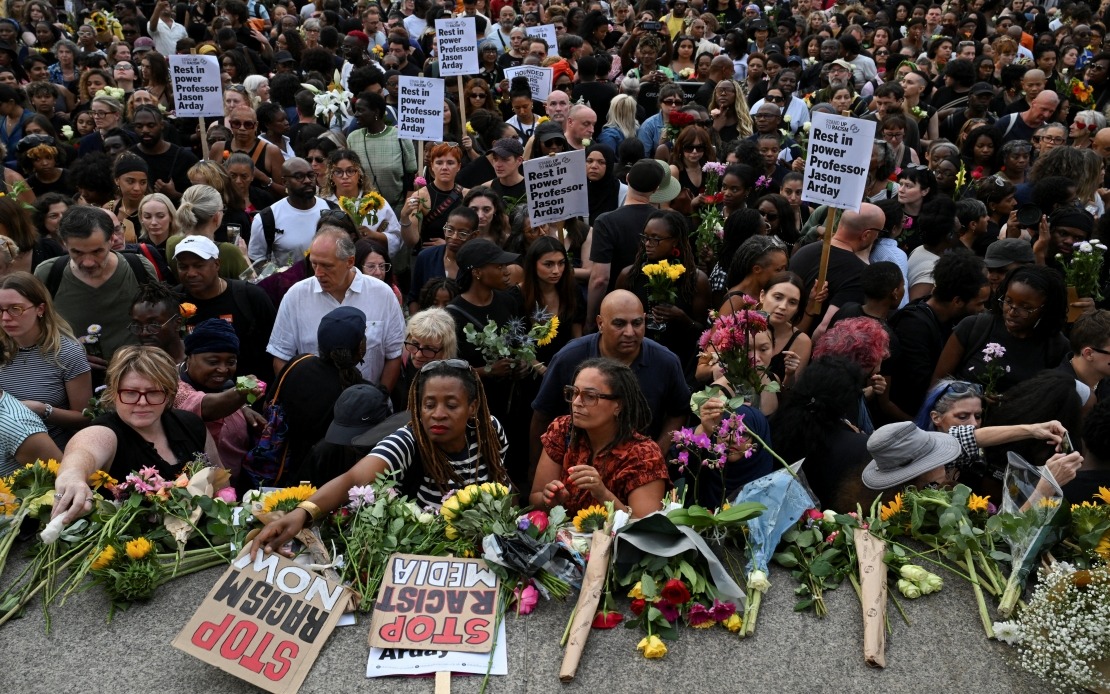
Just two days following Cambridge's announcement of its investigation, Arday was discovered deceased at his residence in south London on August 14. Police treated the death as unexpected but indicated it contained no suspicious circumstances. The timing cast a sobering shadow over the entire episode, particularly given the intensity of public scrutiny and institutional pressure that had preceded it. His death prompted reflection within academic circles about the personal cost of allegations, institutional processes, and the pastoral support offered to those facing serious accusations.
Cofnas himself occupies a controversial position within academic discourse. He had previously held a research fellowship at Emmanuel College, Cambridge, but lost his research associate role in 2024 after publishing a blog post containing claims about racial differences in intelligence, asserting that Black people possess lower average intelligence than white people and arguing that in a meritocratic system, Harvard would employ almost no Black professors. These statements generated substantial backlash and led to his removal from the Cambridge position, establishing a pattern of institutional action against his work prior to the Arday allegations.
When news of his suspension at Ghent University emerged, Cofnas publicly framed the action as discriminatory retaliation. He posted on the social media platform X that he was under investigation for alleged discrimination against Arday. In a follow-up post, he stated he had been suspended and predicted with apparent certainty that termination would follow. His characterization of the suspension as a response to his advocacy for what he terms "race realism" suggested he viewed institutional action as censorial rather than as legitimate institutional governance.
Ghent University's leadership responded through a joint statement from rector Petra De Sutter and vice-rector Herwig Reynaert, attempting to balance multiple institutional commitments. The statement affirmed the institution's dedication to academic freedom and open debate, including controversial viewpoints. However, university officials stressed that this freedom carries accompanying responsibility and may be constrained to safeguard the rights of others. This formulation reflects an emerging consensus among major research institutions that absolute freedom of expression within academic settings must be reconciled with obligations to maintain inclusive and respectful environments.
The university statement indicated it was treating Cofnas's public remarks regarding the matter with considerable seriousness, though it declined to specify what further action beyond suspension might follow. Officials explained that providing detailed information about potential future decisions would be premature and potentially prejudicial to ongoing proceedings. This reticence is standard institutional practice but left the precise nature of the allegations and investigation opaque to external observers, limiting public understanding of the specific conduct that triggered action.
The intersection of these events raises fundamental questions about institutional responsibility in managing allegations and protecting vulnerable individuals during investigative processes. Arday's death occurred amid intense pressure following public allegations, raising concerns about whether universities have adequate mechanisms to support individuals facing serious accusations and whether the intensity and nature of public discourse surrounding allegations can itself constitute institutional failure. His personal narrative—as the son of Ghanaian immigrants, raised in working-class south London, nonverbal until age eleven, and illiterate until eighteen before eventually becoming a Cambridge professor—represented a compelling story of educational resilience that may have made subsequent scrutiny particularly destabilising.
For Southeast Asian observers, particularly those in Malaysia with growing research sectors and emerging academic hierarchies, the episode underscores tensions inherent in contemporary higher education. As universities across the region expand and diversify their professoriate, questions of how to verify credentials, manage allegations, and protect institutional reputation while maintaining individual dignity become increasingly salient. The rapid globalisation of academic labour means that accusations and reputational consequences now travel instantaneously across borders, creating challenges for due process and institutional fairness that universities were not historically designed to manage.
The case also illuminates ongoing contestation within academia regarding the scope of acceptable speech. Cofnas's statements about race and intelligence represent claims that many scholars consider scientifically discredited and harmful, yet he frames institutional action against those claims as censorship rather than legitimate boundary-setting. This tension—between protecting academic freedom and establishing normative standards about harmful speech—remains unresolved across most institutional contexts. Universities continue grappling with how to distinguish between protecting unpopular ideas on the one hand and preventing discriminatory or dehumanising rhetoric on the other.
As investigations continue and potential further decisions loom, the episode serves as a cautionary tale about the vulnerability of individuals navigating contemporary academic environments. Whether viewed through the lens of academic integrity, institutional process, or individual welfare, the tragic conclusion demands that universities at all levels examine their responsibilities to manage allegations transparently, support affected parties adequately, and distinguish between legitimate institutional governance and performative response to public pressure.

