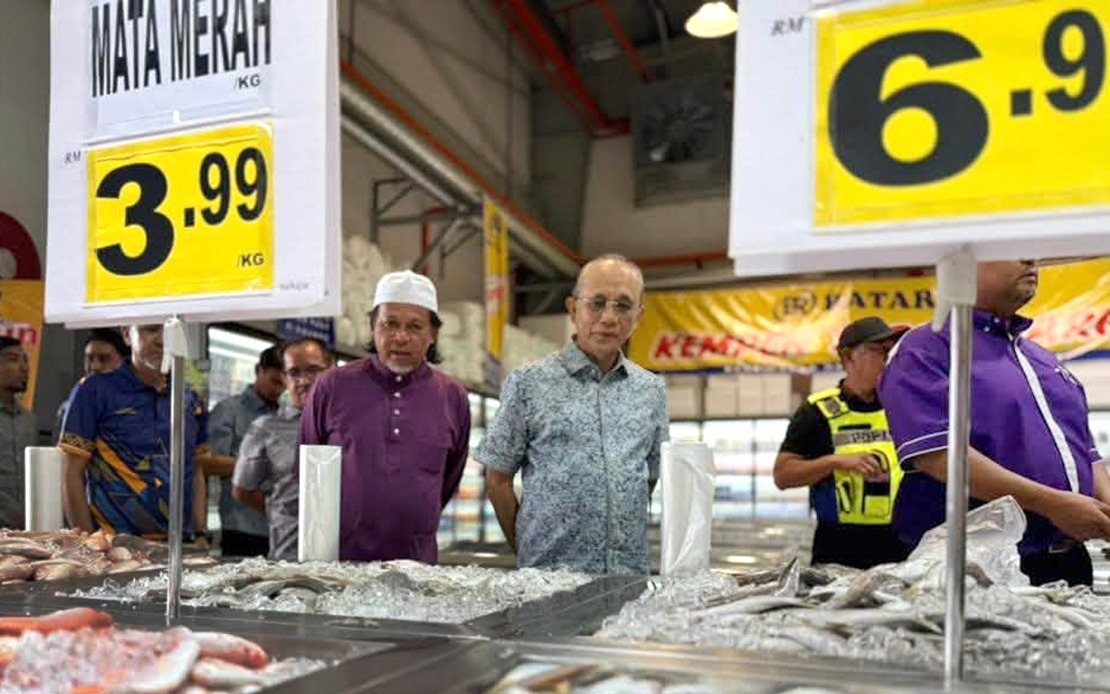
Sabah consumers now have access to significantly cheaper fresh groceries through a new promotional campaign launched by Bataras Supermarket, which is slashing prices on 30 different fresh items by between 5 and 30 percent until the end of October. The initiative, which spans all 58 Bataras Supermarket locations throughout the state, represents a direct attempt to reduce household spending on essential food products during a period when cost-of-living pressures continue to weigh on Malaysian families.
The Ministry of Domestic Trade and Cost of Living (KPDN) framed the campaign as a demonstration of how the private retail sector can collaborate with government efforts to address affordability challenges that have become increasingly pressing across Southeast Asia. By mobilising commercial operators to voluntarily reduce margins on fresh produce, the ministry is pursuing what it terms a "whole-of-nation approach"—a strategy that emphasises shared responsibility between state institutions, businesses, and communities in tackling economic hardship.
The supermarket giant, which has been operating since 1998, positions itself as a significant player in Sabah's retail landscape. With 58 branches distributed across the state, Bataras commands substantial market reach in a region where access to affordable fresh produce can vary considerably depending on location and supply chain efficiency. The timing of this campaign during the late-quarter months suggests an effort to sustain consumer spending heading into the final months of the year while managing expectations around household budgets.
Fresh produce represents a particularly sensitive category for cost-of-living discussions in Malaysia. Unlike processed goods or non-essential items, vegetables, fruits, and other perishables form the backbone of household nutrition and dietary spending. Price volatility in this sector directly impacts food security at the grassroots level, making retail interventions on fresh items more consequential than broader discounts on non-essential merchandise. The 5 to 30 percent price reduction therefore carries real implications for household food budgets, especially among lower and middle-income families.
Official statements emphasised that the campaign reflects alignment with broader government policy objectives centred on alleviating cost-of-living burdens. The KPDN indicated that such initiatives should serve as models for expansion across other retail chains and sub-sectors, suggesting that the ministry views this campaign as a proof-of-concept that could encourage competitors to adopt similar strategies. This competitive pressure, if sustained, could create downward momentum on fresh produce pricing across Sabah's retail market more broadly.
The official launch at the Papar Bataras Supermarket branch was officiated by Pantai Manis state assemblyman Datuk Pengiran Saifuddin Pengiran Tahir, underscoring the political significance attached to cost-of-living interventions at the state level. In Sabah, where agricultural production and supply chain logistics present distinct challenges compared to peninsular Malaysia, retail pricing initiatives carry particular weight. The involvement of elected representatives in campaign launches signals that such measures are viewed as legitimate policy tools deserving of political attention and endorsement.
The campaign duration—running through October 31—provides a defined three-month window within which consumers can access these reduced prices. This timeframe is sufficiently extended to enable behaviour change and genuine household budget relief, yet short enough to maintain the campaign's novelty and marketing impact. The end-of-year timing may also position Bataras favourably for the festive season, potentially attracting price-conscious shoppers preparing for year-end gatherings and celebrations.
For Malaysian shoppers, particularly in Sabah, this initiative offers concrete relief from the grinding inflation pressures that have characterised recent years across the region. While 5 to 30 percent discounts on fresh produce may seem modest in isolation, their cumulative impact on weekly or monthly household food budgets can be substantial for families operating with tight financial margins. Access to cheaper vegetables and fruits also has secondary benefits for public health outcomes, as more affordable fresh produce may encourage higher consumption rates among cost-conscious households.
The broader policy implication of Bataras's campaign extends beyond immediate price relief. It reflects a government strategy of leveraging private-sector participation rather than relying solely on direct subsidies or price controls. This approach aligns with modern cost-of-living management frameworks that emphasise market mechanisms and voluntary corporate participation over state intervention. However, its success ultimately depends on whether other major retailers follow Bataras's lead, and whether such campaigns become sustained features of the competitive landscape rather than one-off promotional exercises.
The involvement of a locally-founded company like Bataras Sdn Bhd also carries significance for discussions around homegrown retail capacity in Malaysia. As a domestic operator rather than a foreign multinational, Bataras's willingness to participate in cost-of-living initiatives may resonate with policy preferences favouring local businesses. This dynamic could influence future government dialogue with other Malaysian retailers regarding voluntary participation in affordability programs.
Looking forward, the success or failure of this campaign will likely shape KPDN's approach to engaging the private sector on cost-of-living issues. If Bataras reports positive consumer response and maintained profitability despite lower margins, the ministry may have stronger leverage in encouraging competitors to adopt similar strategies. Conversely, if the campaign proves economically unsustainable for Bataras or generates insufficient consumer enthusiasm, it may complicate future efforts to mobilise retail cooperation on pricing matters.
For consumers throughout Sabah, the immediate takeaway is straightforward: significant savings opportunities exist on fresh groceries across Bataras locations through October 31. Beyond this immediate benefit, however, the campaign represents a broader policy signal that government and private actors are actively engaged in addressing cost-of-living pressures through practical, market-based interventions. Whether such initiatives ultimately resolve the underlying affordability challenges facing Malaysian households remains an open question, but they provide tangible relief during the period they operate.

