Barisan Nasional has signalled it will withhold naming a Menteri Besar candidate for Negeri Sembilan until after the coalition secures victory at the ballot box, according to state Umno leadership. The decision reflects the coalition's preference to focus campaign messaging on policy platforms rather than personality contests, whilst maintaining flexibility in post-election coalition negotiations that may determine the final composition of the state administration.
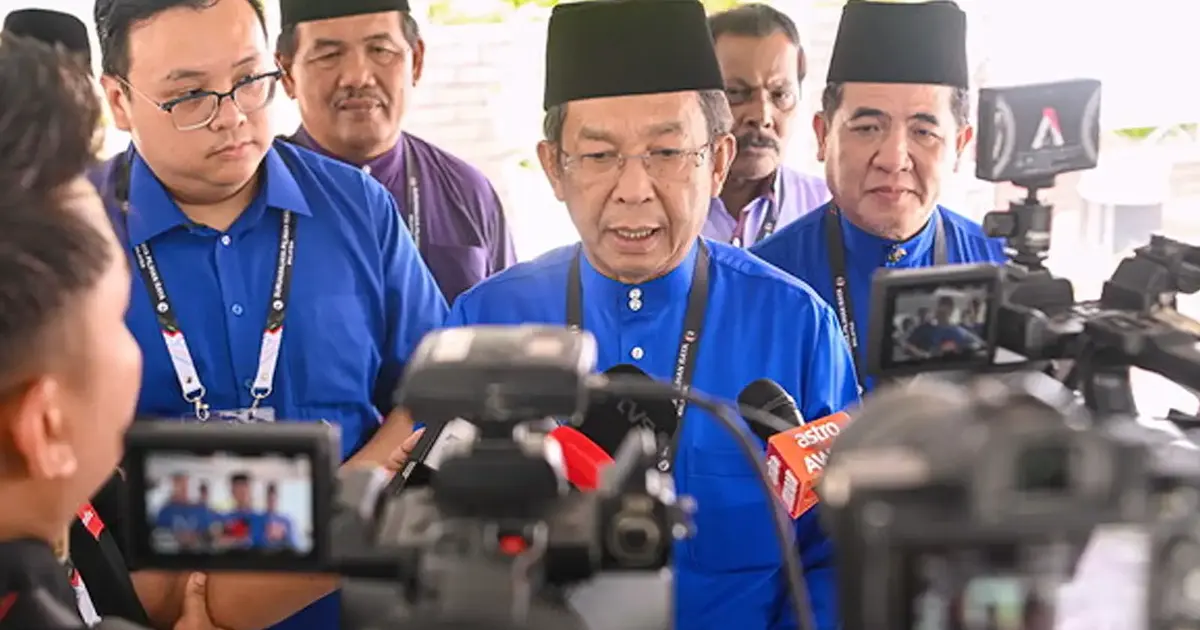
State Umno chief Jalaluddin Alias articulated this position to party members and the media, emphasising that BN possesses multiple leaders capable of taking the helm should the coalition win the election. This pragmatic stance allows the coalition to avoid prematurely committing to a single candidate, which could alienate factions within Umno and allied parties if circumstances change or negotiations require compromise candidates. The approach also prevents rival coalitions from weaponising early candidate announcements against BN during campaigning.
For Malaysian political observers, this strategy represents a departure from the pattern established in recent state elections where leading coalitions have unveiled their chief minister designates well in advance. The shift underscores growing recognition within BN that premature candidate announcements can create internal party tensions and reduce strategic flexibility should unexpected electoral dynamics emerge. By preserving optionality, BN's Negeri Sembilan leadership signals confidence in the coalition's electoral prospects whilst avoiding unnecessary friction amongst potential candidates vying for the position.
The Negeri Sembilan political landscape has traditionally revolved around competition between Umno and the state's Malay-majority voter base, though recent elections have seen increased support for opposition coalitions. Having multiple credible candidates within BN's ranks provides insurance against any single personality becoming a liability during campaigning. Jalaluddin's confirmation that several leaders possess the stature and experience required for the role suggests internal discussions have already identified viable successors, with the final choice contingent on electoral momentum and coalition performance.
For Malaysian readers following state-level politics, this development holds implications beyond Negeri Sembilan's borders. The decision methodology adopted by BN's state leadership may establish a template for how the coalition manages leadership transitions in upcoming state elections across the peninsula. Should this approach prove effective in Negeri Sembilan, other BN-led state administrations might emulate the strategy of deferring candidate announcements to maintain internal party cohesion and negotiating latitude.
The timing of the announcement also reflects broader calculations within Umno regarding coalition dynamics. With PAS having pulled out of BN federally whilst remaining in loose alignment with Umno in certain states, and with MCA and MIC's roles in state politics fluctuating, Umno's state leadership must carefully calibrate messaging that appeals to its core support base without appearing to ignore potential coalition partners. Naming a Menteri Besar designate prematurely risks stoking tensions if alliance partners feel sidelined from leadership discussions.
Negeri Sembilan's electorate has demonstrated increasingly volatile voting patterns compared to earlier decades, with swing constituencies determining overall outcomes. This volatility makes it strategically prudent for BN to avoid painting itself into a corner through early candidate commitments. Should certain constituencies swing unexpectedly towards opposition parties, having flexibility regarding the chief minister selection allows BN to recalibrate its message and potentially broaden coalition appeal through a different choice of leader if election night necessitates such adjustments.
The statement by Jalaluddin represents calculated confidence in BN's electoral machinery and ground organisation. However, it also tacitly acknowledges that state elections in Malaysia's contemporary political environment admit little room for overconfidence. By maintaining ambiguity regarding the next Menteri Besar until results are finalised, BN hedges against the possibility that unforeseen developments could fundamentally alter the political environment between now and polling day. Opposition coalitions will likely attempt to exploit this apparent uncertainty as evidence of disunity, making BN's messaging discipline around this decision critical to maintaining campaign momentum.
For Negeri Sembilan's business community and civil society, this approach carries practical implications. Investors and stakeholders often seek early clarity regarding government personnel and policy direction, particularly when economic portfolios are at stake. By deferring the chief minister announcement, BN inadvertently introduces a period of uncertainty that may affect business planning and investment commitments in the state during the pre-election and immediate post-election phases. This underscores the ongoing tension in Malaysian politics between internal party management and stakeholder expectations for transparent governance planning.
Historically, Negeri Sembilan's Menteri Besar office has been held by figures with deep roots in state politics and substantial tenure within Umno structures. The pool of potential candidates likely comprises individuals with equivalent pedigrees, suggesting institutional continuity regardless of which leader ultimately assumes the role. Jalaluddin's reference to multiple capable candidates therefore carries weight, indicating that BN's succession planning has produced options of broadly equivalent calibre rather than a single pre-anointed heir apparent.
The coalition's strategy also reflects lessons learned from previous state elections where early candidate announcements sometimes crystallised opposition research and attack campaigns prematurely. By withholding the name until victory is secured, BN reduces the timeframe available for opponents to marshal detailed critiques against a specific individual. This tactical calculation demonstrates how Malaysian political entities increasingly employ information management techniques typically associated with advanced democracies, adapting strategies to suit the competitive intensity of contemporary state-level campaigns.
Looking ahead, the Negeri Sembilan election will serve as a testing ground for this deferential approach to leadership succession. Should BN win decisively with this strategy intact, other state coalitions will likely adopt similar methodologies. Conversely, if voters perceive the ambiguity as evidence of disorganisation or internal conflict, future elections may see coalitions return to earlier candidate announcement practices. The outcome in Negeri Sembilan will therefore shape not merely that state's immediate political trajectory, but potentially influence coalition tactics across multiple state contests in the months ahead.

