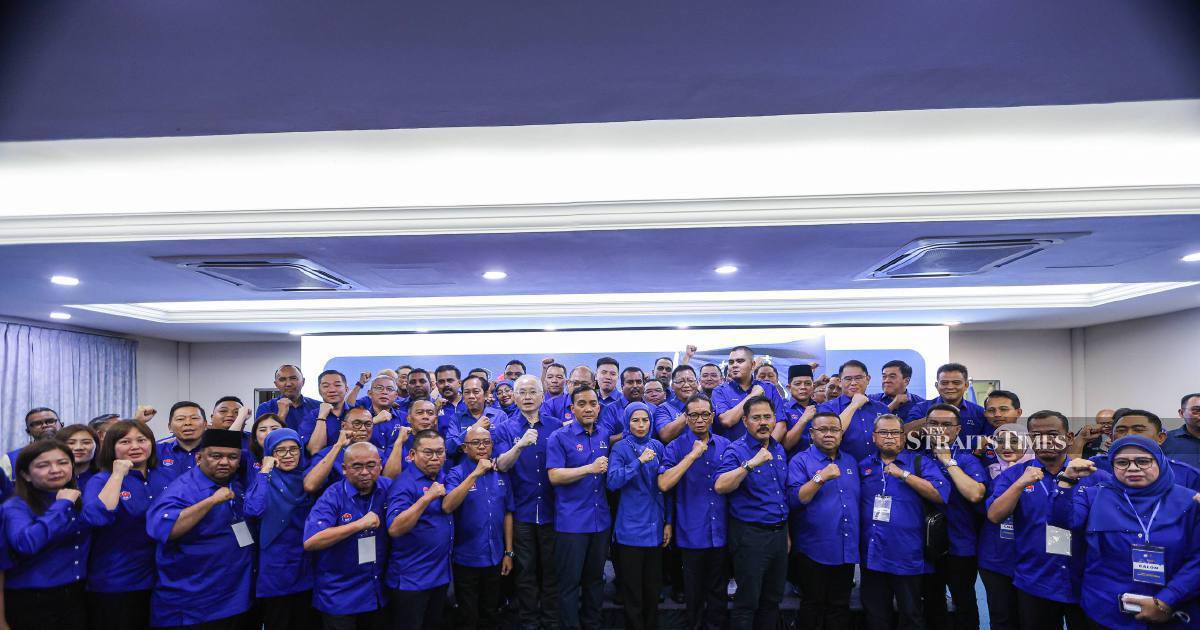
Barisan Nasional has formally unveiled its comprehensive slate of 56 candidates for the forthcoming Johor state election on July 11, marking a critical juncture in the coalition's campaign strategy as it prepares to defend its traditional stronghold in the southern peninsula. The announcement represents BN's commitment to field contestants across all available seats in the state assembly, underscoring the coalition's determination to maintain its political dominance in a region where it has historically held considerable sway.
The nomination of the full candidate roster signals that BN leadership has finalised its internal selection process after weeks of deliberation among party factions and state-level party chapters. This completion of the vetting process typically involves negotiations between the coalition's component parties—UMNO, MCA, and MIC—to ensure equitable distribution of seats and to balance demographic representation across urban and rural constituencies. The timeline leading to the announcement usually involves intensive lobbying by prospective candidates and their supporters, reflecting the high stakes involved in securing party endorsement.
For Malaysian observers, the composition of BN's candidate line-up carries significance beyond mere personnel matters. The selection reflects internal power dynamics within the coalition and offers insight into how party leadership perceives electoral vulnerabilities or opportunities in specific constituencies. Changes in candidates from previous elections, whether retirements, demotions, or promotions, can signal shifts in factional influence and strategic priorities within the broader political structure.
Johor's electoral significance extends beyond state-level politics. As the country's second-largest state by population and home to critical economic zones, its political complexion influences national political calculations and coalition dynamics. A strong BN performance in Johor would reinforce the coalition's narrative of sustained public support, while setbacks could embolden opposition parties and complicate internal party discipline within BN's membership structures.
The July 11 election occurs within a particular political context in Malaysia's democratic cycle. State elections throughout the nation have become increasingly competitive, with opposition coalitions improving their organisation and appeal in several regions. Johor, traditionally a BN fortress, faces scrutiny regarding whether demographic changes, generational shifts in voter preferences, and urbanisation have altered electoral patterns established over preceding decades.
The candidate selection process itself reflects broader transformations in how Malaysian political parties evaluate and present potential representatives. Contemporary campaigns increasingly emphasise educational qualifications, professional credentials, community service records, and social media presence alongside traditional factors like party seniority and family political connections. The balance between these criteria in BN's final candidate list would likely reveal which constituencies the coalition views as particularly challenging or strategically pivotal.
Geographical distribution of BN's 56 candidates merits analysis for what it reveals about coalition confidence levels across different parliamentary zones. Constituencies facing strong opposition entrenchment may receive particularly experienced candidates or individuals with demonstrated local appeal, whereas safer seats might accommodate new faces or candidates transitioning between electoral cycles. Such tactical deployment reflects sophisticated campaign planning based on constituency-level data analysis and polling assessments.
The formal announcement also initiates the official campaign period in earnest, shifting political activity from internal party operations toward public-facing election activities. Media coverage of the candidate slate typically generates discussion about individual candidates' backgrounds, previous electoral performance, and perceived strengths or controversies. This scrutiny affects campaign momentum and establishes early narratives that persist throughout the election period.
For Johor residents and Malaysian voters more broadly, BN's candidate presentation offers an opportunity to assess the coalition's vision for state governance over the subsequent five-year term. Candidate speeches, policy pledges, and engagement with local communities during the campaign period will shape voter perceptions and ultimately influence ballot decisions. The quality and appeal of individual candidates frequently determines turnout patterns and swing voting in marginal constituencies.
The completion of BN's candidate selection arrives as other major political coalitions finalise their own campaign preparations. The competitive dynamics between rival slates will structure the election campaign, with media focus increasingly directed toward comparative analysis of candidates' qualifications, track records, and policy positions. This triangulation between candidates competing in individual constituencies often proves more influential than abstract coalition-level narratives in determining electoral outcomes.
Looking ahead to July 11, BN's full candidate line-up represents both an assertion of strength and a calculated political gamble. The coalition's willingness to contest all available seats demonstrates confidence, yet simultaneously exposes every BN candidate to potential defeat, with each loss reducing the coalition's seat share and parliamentary representation. Conversely, strong electoral performance would validate BN's candidate selection process and reinforce the coalition's positioning as Malaysia's dominant political force in the state.