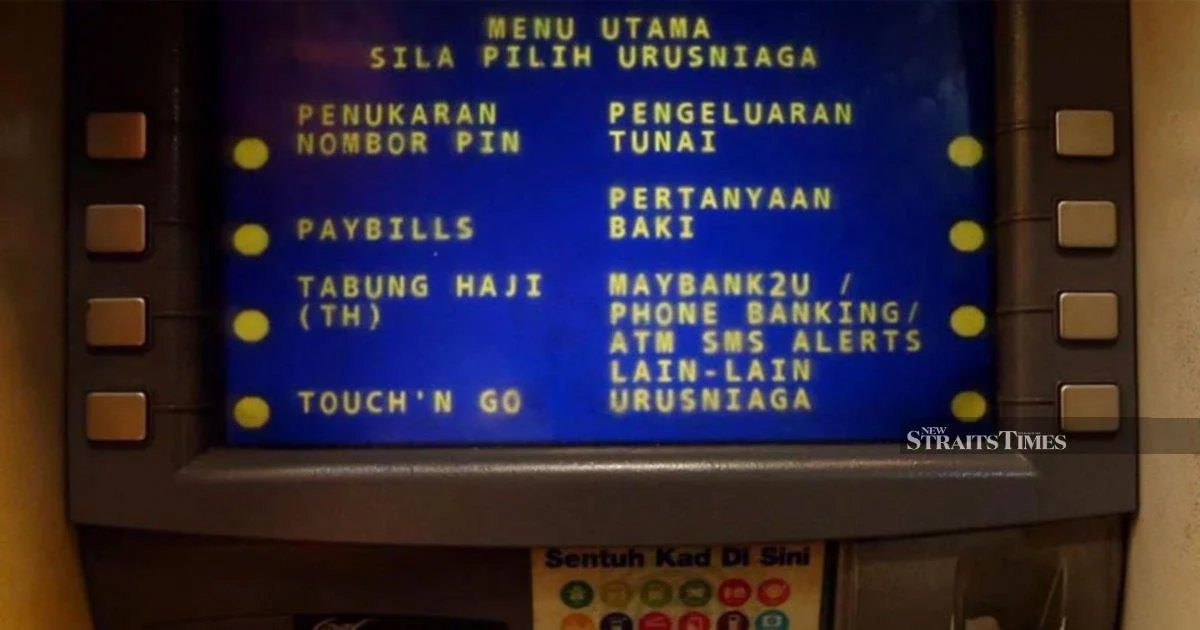
The central bank has launched an appeal to banking customers to bring forward complaints about incorrect charges levied at automated teller machines, particularly when transactions occur at devices operated by their own financial institutions. Communications Minister Datuk Fahmi Fadzil disclosed this directive from Bank Negara Malaysia, signalling heightened oversight of fee practices within the banking sector.
Under current banking regulations, customers should not incur the RM1 interbank withdrawal levy when accessing cash from ATMs belonging to their own banks. This fee structure was designed to protect customers from unnecessary charges while maintaining service sustainability across the banking network. When violations of this standard occur—whether through system errors, incorrectly configured machines, or deliberate overcharging—they represent breaches of established consumer protections.
The central bank's proactive call for public reporting reflects broader concerns about compliance across financial institutions. While many banks operate their ATM networks efficiently, isolated incidents of improper charging can occur at individual branches or through technical malfunctions. By inviting customer feedback, Bank Negara aims to identify systemic issues rather than isolated errors, allowing for targeted remedial action.
For Malaysian consumers, this initiative carries practical significance. Many individuals rely on ATM networks for daily cash access, particularly outside banking hours. Multiple transactions each month accumulate into meaningful expenses if improper fees apply. Over a year, erroneously charged customers could lose significant sums, especially those who frequently use cash despite Malaysia's growing digital payment ecosystem.
The reporting mechanism serves as a quality assurance tool for the banking industry. When financial institutions receive feedback about fee irregularities from their regulator, backed by documented customer complaints, they typically respond swiftly with corrective measures. This creates accountability without requiring formal enforcement actions in most instances. Banks operate under franchise arrangements dependent on maintaining consumer confidence, making reputational concerns powerful motivators for swift corrections.
Regionally, Malaysia's approach mirrors efforts across Southeast Asia to strengthen banking consumer protections. Countries including Singapore and Thailand have similarly implemented oversight of ATM fee practices. However, Malaysia's decentralised banking system—with numerous domestic and foreign banks operating parallel ATM networks—presents particular complexity in maintaining consistent standards across thousands of machines.
Communications Minister Datuk Fahmi Fadzil's public statement amplifies awareness of this issue beyond specialist finance channels. Government ministers typically intervene in such matters when consumer complaints have reached notable levels or when potential systemic problems emerge. The fact that a federal cabinet member felt compelled to address this suggests either increasing customer frustration or deliberate efforts to improve compliance before minor issues escalate.
For those experiencing these charges, the reporting process through Bank Negara provides formal channels for resolution. Documentation proves essential—keeping transaction receipts or requesting bank statements showing disputed charges strengthens complaint submissions. Bank Negara maintains dedicated consumer complaint mechanisms, including online portals and direct contact channels. The central bank then investigates substantiated claims and instructs implicated banks to remedy situations, including refunding affected customers.
Technical factors occasionally contribute to improper charging. ATM software must distinguish between cards issued by the operating bank versus those from competitors. When systems malfunction or cards are misidentified, charges apply incorrectly. Banks typically address such issues promptly once notified, as defending erroneous overcharges creates greater reputational damage than refunding customers. However, customers must first report these incidents for bank rectification to occur.
The initiative also highlights the broader digital transformation occurring within Malaysian banking. As card-based and digital payments increasingly replace cash transactions, ATM networks face pressure to justify operating costs. Proper fee implementation becomes crucial for sustaining these networks while maintaining customer trust. Overcharging at a bank's own machines directly contradicts customer loyalty expectations, potentially pushing users toward alternative payment methods or competitor banks with more transparent policies.
Moving forward, customers should actively monitor their transaction records and report discrepancies promptly. Bank Negara's invitation to come forward normalises the feedback process, removing stigma from lodging complaints about what might seem like small amounts. Collective reporting creates datasets demonstrating whether issues are isolated or widespread, guiding regulatory responses appropriately. This bottom-up accountability mechanism complements Bank Negara's direct oversight and contributes to healthier banking practices.
The appeal underscores that protecting consumer interests remains a priority despite Malaysia's sophisticated banking infrastructure. Even well-established systems require ongoing vigilance and customer participation to function fairly. By encouraging public engagement with regulatory processes, authorities strengthen the foundations of trust underlying the financial system—an essential foundation for maintaining economic stability and confidence throughout Southeast Asia's largest economy.

