Bangladesh's parliament will vote on Thursday to install Mirza Fakhrul Islam Alamgir as the nation's 23rd president, marking a symbolic transition within the leadership structure of the country that has undergone dramatic political upheaval over the past year. The 78-year-old secretary general of the ruling Bangladesh Nationalist Party and current local government minister is widely expected to secure the largely ceremonial five-year position without significant opposition, reflecting the BNP's commanding political position following its decisive victory in February's general election.
Alamgir's ascension to the presidency represents a capstone to a long political career marked by resilience and party loyalty, particularly during the darkest period of BNP rule when the party's leadership faced imprisonment and exile. Upon learning of his nomination, the veteran politician expressed gratitude to both his party and religious faith, telling reporters that the honour was unexpected and that he intended to continue serving the people even in his elevated position. His measured response reflects the constitutional reality that Bangladesh's president operates primarily as a figurehead, with executive power concentrated in the hands of Prime Minister Tarique Rahman and his cabinet.
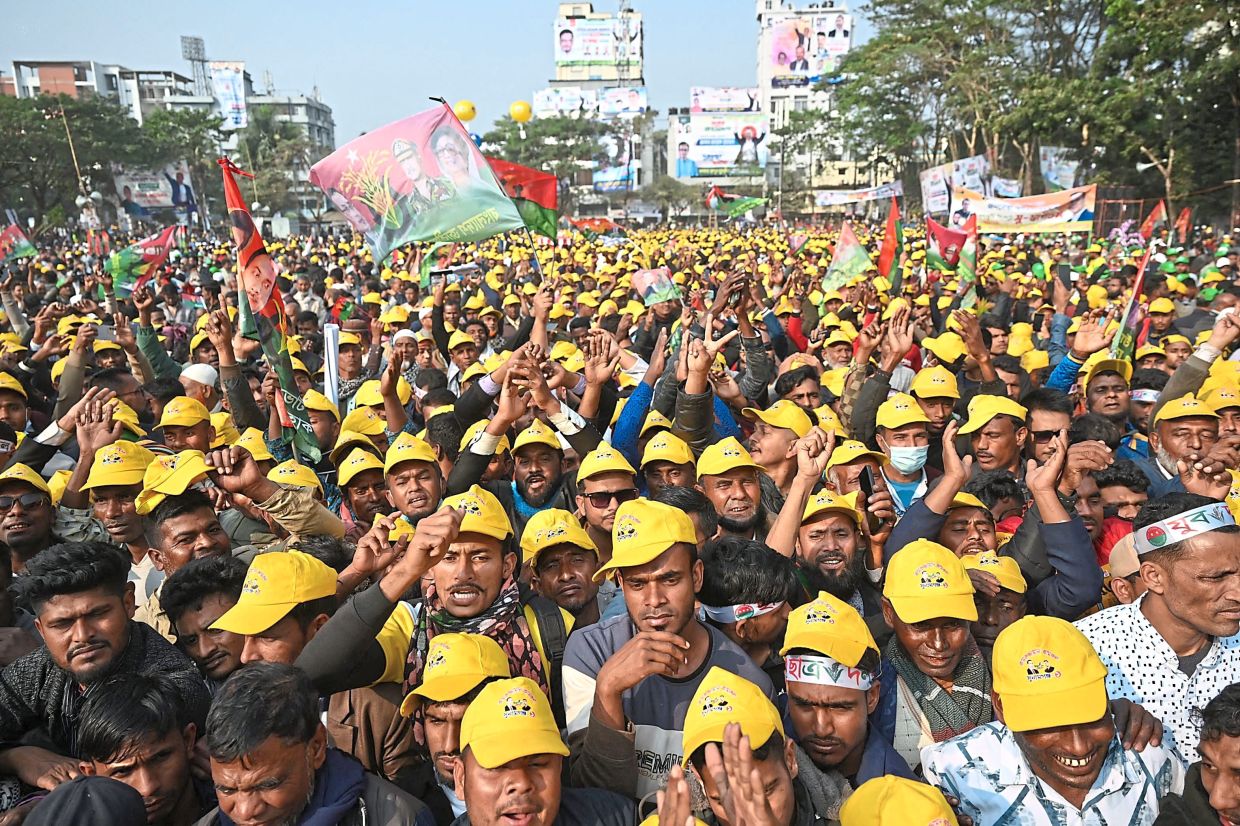
The political backdrop to Thursday's election underscores the seismic shifts that have reshaped Bangladesh's governance landscape. The BNP's triumph in February's polls came as the culmination of widespread popular discontent with Sheikh Hasina's government, which had governed the country with an increasingly authoritarian grip. The vote represented the first electoral contest since a popular uprising in 2024 forced Hasina from office, compelling her to flee to India where she now remains, refusing to return for trial on charges of crimes against humanity for which she was sentenced to death in absentia in November.
The precipitating factor for Alamgir's elevation was the resignation of Mohammed Shahabuddin, his 76-year-old predecessor, who stepped down in July citing health considerations. Shahabuddin, who had served as a trusted ally of Hasina during her administration, faced mounting pressure to relinquish his office in the aftermath of the broader political realignment that followed Hasina's removal. His departure, presented as a medical necessity, allowed space for the BNP to consolidate control over state institutions through the installation of a loyalist in the presidency.
Alamgir's political journey illuminates the trajectories of many who rose to prominence through opposition to authoritarian rule. Born in January 1948, he initially entered politics as a student activist during the 1969 uprising against Pakistan's military rule, a pivotal moment that set the stage for Bangladesh's emergence as an independent nation two years later. After pursuing academic work as an economics lecturer, Alamgir transitioned into government service and eventually the political arena, holding ministerial portfolios in agriculture, aviation and tourism at various points in his career.
His most defining period came during Hasina's tenure, when he emerged as a central figure maintaining BNP organisational cohesion through circumstances of extraordinary adversity. While BNP leader Khaleda Zia languished in prison and her son Tarique Rahman remained exiled abroad, Alamgir shouldered responsibility for preserving the party's institutional infrastructure and ideological coherence. He endured multiple arrests on charges he characterised as politically motivated, suffering the same repressive treatment meted out to other opposition figures by Hasina's security forces.
Thursday's voting process will pit Alamgir against Oli Ahmed, the sole opposing candidate nominated by an 11-party opposition coalition led by Jamaat-e-Islami. The contest carries little suspense given the BNP's parliamentary supermajority, making Alamgir's victory a mathematical certainty. Polling is scheduled to commence at approximately 2 p.m. local time, with proceedings conducted according to customary parliamentary procedures.
For Malaysia and other Southeast Asian nations, Alamgir's installation as president signals the consolidation of political transition in Bangladesh following the tumultuous events of 2024. The BNP's command over both executive and ceremonial institutions represents a stabilisation of government, though concerns persist regarding the trajectory of democratic norms and the treatment of political opponents. Regional observers will scrutinise how the Rahman administration balances its electoral mandate with maintenance of institutional pluralism and checks on executive authority.
The significance of this transition extends beyond ceremonial succession to encompass broader questions about Bangladesh's democratic health and institutional resilience. Hasina's authoritarian governance had corroded public trust in democratic institutions, necessitating a credible reset that the BNP has partially achieved through electoral victory. Whether Alamgir's presidency will represent genuine democratic renewal or merely the substitution of one dominant party's rule for another remains a question that will define Bangladesh's political trajectory in coming years, with implications for regional stability and democratic consolidation across South Asia.

