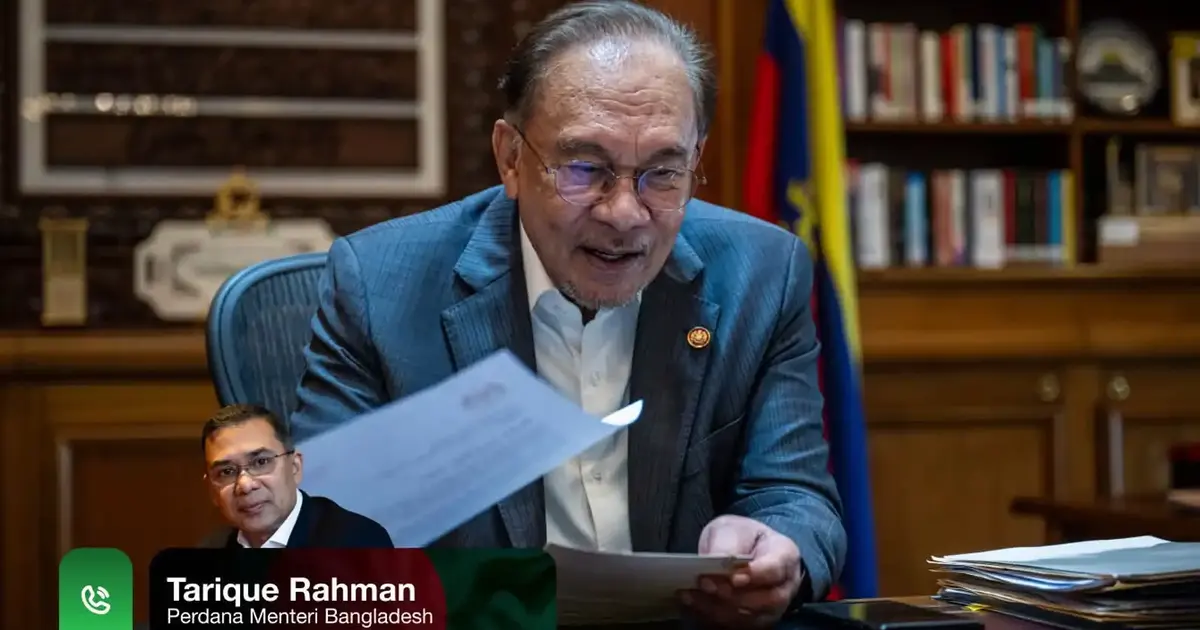
Facing mounting pressure from an energy crisis, Bangladesh has initiated diplomatic outreach to Malaysia seeking support for liquefied natural gas procurement. The appeal was made directly by Bangladesh Prime Minister Tarique Rahman during a telephone conversation with Malaysian Prime Minister Anwar Ibrahim, signalling the urgency of Dhaka's supply predicament.
The request underscores the deepening energy challenges confronting Bangladesh, a nation of over 170 million people where industrial output and household consumption increasingly depend on reliable gas infrastructure. With domestic natural gas reserves depleting and existing supply chains proving insufficient, Bangladesh has begun exploring regional solutions to bridge the growing gap between demand and available resources. The approach to Malaysia reflects recognition of Kuala Lumpur's established position within global liquefied natural gas markets and its access to supply networks.
Malaysia occupies a strategic position in Asia's energy landscape, with established relationships with major LNG producers and existing import capacity through facilities in the country. The nation's energy sector experience and existing infrastructure make it a logical regional partner for countries seeking to secure supplies during periods of shortage. For Bangladesh, securing Malaysian cooperation could provide a pathway to additional LNG volumes that domestic production and existing contractual arrangements cannot supply.
The bilateral discussion between Rahman and Anwar represents a practical engagement on energy cooperation, reflecting how regional partnerships increasingly address infrastructure gaps. Energy security has become a critical diplomatic concern across South and Southeast Asia, where rapid economic development and population growth have outpaced traditional supply mechanisms. Bangladesh's willingness to seek external assistance demonstrates acknowledgment that short-term supply challenges require immediate action rather than reliance solely on long-term infrastructure projects.
For Malaysia, the request presents an opportunity to strengthen ties with a significant regional neighbour while demonstrating capacity to assist during crises. The two nations share historical links and have collaborated across multiple sectors, and energy cooperation represents a natural extension of existing frameworks. Enhanced energy relationships could facilitate broader economic integration and reinforce Malaysia's role as a dependable partner in regional development.
Bangladesh's energy challenges stem from multiple factors including declining domestic gas reserves, growing consumption from rapid industrialisation, and disruptions to conventional supply arrangements. The nation's power generation sector remains heavily dependent on natural gas, making shortages particularly acute during periods of high demand. Addressing these constraints requires both immediate relief through additional imports and longer-term investment in alternative energy sources and infrastructure modernisation.
The timing of this appeal reflects immediate pressure on Bangladesh's energy system, where insufficient LNG volumes have impacted industrial operations and household access. Prime Minister Rahman's direct approach to his Malaysian counterpart suggests government-level priority treatment, indicating that senior leadership in Dhaka views the situation as requiring elevated diplomatic engagement. Such high-level contact typically precedes more detailed negotiations between energy ministries and commercial entities.
From Malaysia's perspective, any assistance would likely involve either direct LNG supplies or facilitation of access to international suppliers with whom Malaysian entities have established relationships. The complexity of LNG markets, where long-term contracts dominate and spot market availability remains limited, means that meaningful assistance may require creative commercial arrangements. Malaysian energy companies have experience structuring complex supply agreements that could potentially benefit Bangladesh despite competitive global markets.
Regional energy cooperation remains underdeveloped compared to other sectors, presenting untapped potential for countries managing supply constraints. Bangladesh's approach to Malaysia could establish precedent for broader energy partnerships across South and Southeast Asia, where similar challenges affect multiple nations. As energy transitions accelerate and climate considerations reshape policy priorities, regional mechanisms for managing supply disruptions become increasingly valuable.
The diplomatic engagement also reflects recognition that energy security transcends traditional bilateral frameworks and increasingly demands coordinated regional responses. Malaysia's potential role as facilitator or supplier would strengthen mutual ties while addressing immediate Bangladeshi needs. Both nations recognise that stable energy supplies underpin economic stability and growth, making cooperation in this domain strategically significant.
While the immediate focus centres on LNG procurement, the underlying conversation likely encompasses broader energy cooperation possibilities. Medium-term arrangements could involve technology transfer, expertise sharing on energy management, or joint ventures in renewable energy development. Malaysia's experience managing energy transitions and developing diverse supply portfolios offers valuable lessons for Bangladesh as it navigates its own energy challenges.
The success of Bangladesh's appeal will depend on Malaysia's capacity to provide meaningful assistance within global LNG market constraints. However, the fact that such a request was made and conveyed at prime ministerial level indicates serious intent from both capitals to explore solutions. This engagement sets foundation for potential energy partnerships that could benefit both nations and contribute to broader regional energy security.

