%22%2F%3E%3C%2Fpattern%3E%3C%2Fdefs%3E%3Crect%20width%3D%22100%25%22%20height%3D%22100%25%22%20fill%3D%22url(%23phowvgg)%22%2F%3E%3Crect%20width%3D%22100%25%22%20height%3D%22100%25%22%20fill%3D%22url(%23phowvgp)%22%2F%3E%3Ctext%20x%3D%2250%25%22%20y%3D%2250%25%22%20text-anchor%3D%22middle%22%20dominant-baseline%3D%22central%22%20fill%3D%22rgba(255%2C255%2C255%2C0.95)%22%20font-family%3D%22Georgia%2C%20'Times%20New%20Roman'%2C%20serif%22%20font-weight%3D%22700%22%20font-size%3D%22136%22%20letter-spacing%3D%22-0.02em%22%3EBangladesh%3C%2Ftext%3E%3C%2Fsvg%3E)
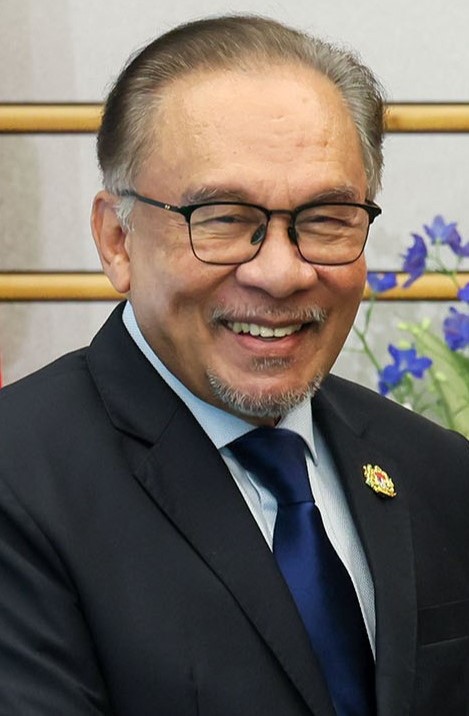
Bangladesh Prime Minister Tarique Rahman concluded a two-day official visit to Malaysia with a commitment to deepen strategic engagement between the two nations, marking his first bilateral trip abroad since taking office in February 2026. The visit, conducted at the invitation of Prime Minister Datuk Seri Anwar Ibrahim, demonstrated the priority both governments place on strengthening ties across multiple sectors and on shared international concerns.
During bilateral discussions in Putrajaya on Monday, the two leaders outlined an ambitious agenda to broaden cooperation through institutional channels. They endorsed the use of existing mechanisms such as the joint commission framework and regular consultations between foreign ministers to drive forward the relationship. This emphasis on structured dialogue signals recognition that consistent, formal engagement provides the foundation necessary for sustained progress on complex bilateral and regional matters.
The visit yielded tangible outcomes in the form of three key agreements. A Memorandum of Understanding on Cultural Cooperation was exchanged, acknowledging the shared heritage and cultural ties between the Muslim-majority populations of both nations. Additionally, two Exchanges of Notes were signed covering Counter-Terrorism Research and Investment Promotion and Facilitation. These instruments address contemporary security challenges while creating pathways for greater economic integration, reflecting a holistic approach to modern partnership.
Investment promotion and trade facilitation hold particular significance given the robust economic relationship already in place. In 2025, bilateral trade reached RM12.18 billion, with Malaysian exports dominating at RM10.08 billion, primarily petroleum products that feed Bangladesh's growing industrial base. Bangladesh supplied RM2.10 billion in imports to Malaysia, predominantly textiles, apparel, and footwear, sectors where the country has developed significant competitive advantage in global markets. These complementary trade flows suggest natural economic synergies that both governments are now seeking to amplify through formal facilitation mechanisms.
Within South Asia, Malaysia and Bangladesh occupy the second and third positions respectively in each other's regional trade hierarchies, trailing only India. This positioning underscores Bangladesh's growing economic importance to Malaysia and the island nation's significance as an ASEAN-adjacent partner. The two countries' combined population of over 200 million and their respective roles in regional supply chains mean that deepening economic ties carries implications beyond bilateral commerce, affecting broader Southeast and South Asian integration efforts.
Tarique's explicit endorsement of Malaysia's support for Bangladesh's candidacy for the presidency of the 81st session of the United Nations General Assembly reflects diplomatic reciprocity and shared commitment to multilateral engagement. This backing represents meaningful solidarity on the international stage, where Bangladesh seeks to amplify the voice of developing nations on issues ranging from climate change to sustainable development. Malaysia's support enhances Bangladesh's profile within UN mechanisms and demonstrates the practical benefits of robust bilateral relationships in advancing national interests at the multilateral level.
The leaders discussed substantive issues affecting both nations and the broader region, including developments in West Asia. This conversation reveals recognition that geopolitical developments in the Middle East impact Southeast and South Asian nations through trade disruptions, security concerns, and ideological questions affecting Muslim-majority societies. By coordinating positions on such global issues through bilateral dialogue, Bangladesh and Malaysia position themselves to exercise greater influence within international forums and regional bodies like the United Nations.
For Malaysian stakeholders, Bangladesh represents both an important market for petroleum exports and a reliable source of competitively-priced textile products. The investment promotion agreement signals potential for Malaysian firms to establish operations in Bangladesh's manufacturing zones while facilitating Bangladeshi investment in Malaysia's petrochemical and services sectors. Counter-terrorism research cooperation addresses shared security concerns in an era when extremist groups operate across borders and seek recruitment across Muslim communities in South and Southeast Asia.
The cultural cooperation framework carries symbolic importance beyond formal exchanges. It recognises shared Islamic heritage while celebrating the distinct national identities and secular constitutional frameworks of both democracies. For Malaysian readers, this dimension reflects the nation's broader regional diplomacy, which emphasises Muslim solidarity without compromising commitment to multiethnic, multireligious coexistence.
Tarique's maiden bilateral visit to Malaysia, rather than to any other neighbour, signals that Bangladesh's new leadership values the Malaysian relationship as a cornerstone of its foreign policy. The choice reflected considered prioritisation and suggests the incoming administration in Dhaka intends to leverage economic partnership and diplomatic alignment with ASEAN's largest Muslim-majority economy. This positioning may have implications for Bangladesh's own regional trajectory and its engagement with ASEAN, where Malaysia remains an influential voice.
Looking forward, the emphasis on institutional mechanisms and structured dialogue suggests these agreements represent foundational commitments rather than one-off transactions. Regular joint commission meetings and foreign ministerial consultations will require sustained attention from both governments, creating momentum for addressing practical obstacles to trade and investment. For businesses in both nations, the message is clear: official backing now exists for commercial initiatives that strengthen Bangladesh-Malaysia ties.
The visit occurs at a time of transition in Bangladesh's political landscape, with Rahman's government consolidating its position after recent electoral changes. Malaysia's welcoming of this new leadership and commitment to strengthening ties provides Bangladesh with an important early win in rebuilding international relationships and demonstrating that the country remains committed to regional stability and multilateral engagement. For Malaysia, the investment in this relationship reflects understanding that stability and prosperity in South Asia directly influence Southeast Asian security and economic opportunities.