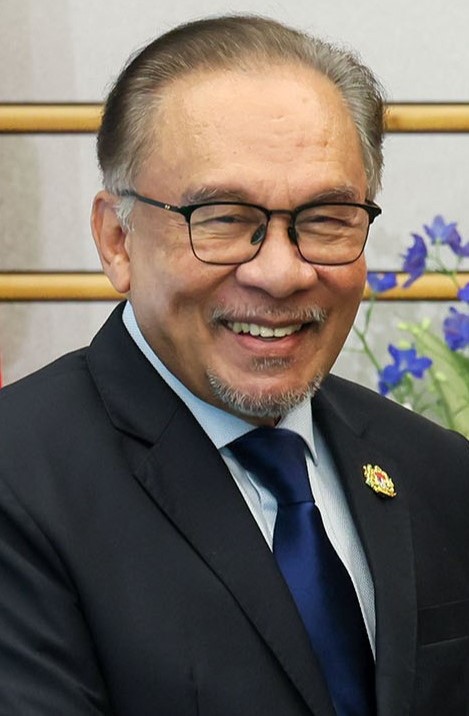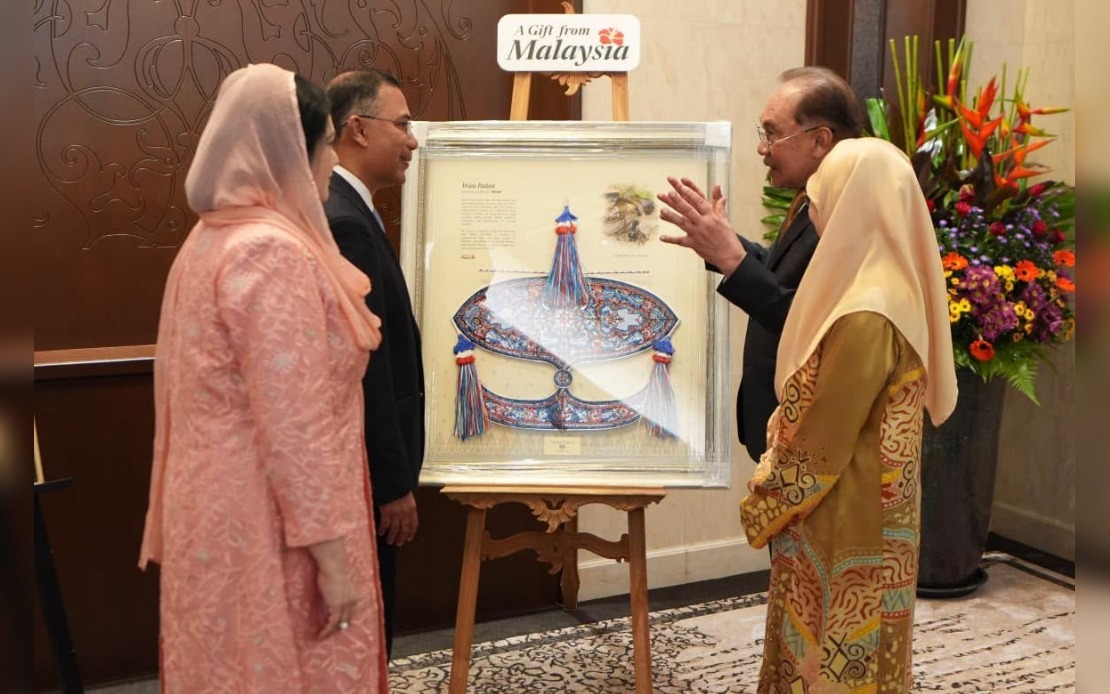
Bangladesh Prime Minister Tarique Rahman concluded his first state visit to Malaysia on Monday with a firm commitment to deepening cooperation with Prime Minister Datuk Seri Anwar Ibrahim across a broad spectrum of shared interests. The visit marks an important moment in bilateral relations, signalling renewed focus on the longstanding partnership between the two nations and their peoples.
Tarique Rahman emphasised the intrinsic value Bangladesh places on its relationship with Malaysia, noting that the connection extends across government-to-government channels and encompasses vibrant people-to-people ties woven through economic, cultural, and social dimensions. This multifaceted engagement reflects the reality that modern bilateral relationships thrive when rooted in diverse connections rather than narrow diplomatic formalities alone.
During his stay, the Bangladesh premier and his wife, Dr Zubaida Rahman, received considerable hospitality from their Malaysian hosts. In remarks shared through Bangladesh's Ministry of Foreign Affairs, Tarique Rahman expressed deep appreciation for the warmth extended by Datuk Seri Anwar Ibrahim and his wife, Datuk Seri Dr Wan Azizah Wan Ismail, describing the reception as gracious and reflecting genuine friendship rather than mere protocol.
The discussions between the two prime ministers reaffirmed historical bonds that transcend contemporary political calculations. Tarique Rahman underscored this continuity by invoking his family's role in Bangladesh's political history, referencing his father Shaheed President Ziaur Rahman and mother Begum Khaleda Zia, both of whom held the nation's highest offices. This personal historical dimension adds weight to his commitment, suggesting that strengthening Malaysia relations aligns with values and vision established by previous generations of Bangladesh leadership.
For Malaysia and the broader Southeast Asian region, renewed engagement with Bangladesh carries strategic significance. Bangladesh, home to over 170 million people and positioned along critical shipping routes, represents an increasingly important economic and geopolitical player. Closer partnership with Kuala Lumpur opens avenues for cooperation on trade, investment, and regional security matters that affect the entire Association of Southeast Asian Nations framework.
The timing of Tarique Rahman's inaugural state visit as Bangladesh's premier signals priority given to Malaysia among his administration's diplomatic endeavours. Choosing Malaysia as a key destination demonstrates recognition that the relationship merits high-level attention and resource allocation, particularly as Bangladesh navigates its own domestic transitions and regional positioning.
Tarique Rahman also expressed sincere appreciation to His Majesty Sultan Ibrahim, King of Malaysia, for receiving him and extending courtesy during their interaction. This formal acknowledgement reflects diplomatic protocol but also indicates substantive engagement at multiple levels of the Malaysian state apparatus, from the monarchy through the executive branch.
The emphasis on shared commitment to prosperity and regional progress reflects economic dimensions underlying the diplomatic statements. Bangladesh and Malaysia maintain trade relationships and investment linkages, with potential for expansion as both nations pursue development objectives. Enhanced bilateral cooperation could facilitate business opportunities for Malaysian companies in Bangladesh's growing economy whilst providing Bangladesh access to Malaysian expertise and capital.
The discussions also touched on multilateral dimensions, hinting that the two nations view their partnership not merely as a bilateral matter but as contributing to broader regional stability and cooperation frameworks. This perspective aligns with both nations' participation in ASEAN and other regional organisations where coordinated positions strengthen collective influence.
For Malaysian policymakers, the visit represents validation that the investment in diplomatic outreach to key regional partners yields tangible returns in relationship-building and agenda-setting. PM Anwar Ibrahim's administration has prioritised regional engagement, and the Bangladesh connection exemplifies this strategic approach.
Looking forward, the commitment articulated during this visit will likely translate into concrete initiatives spanning trade negotiations, educational exchanges, religious and cultural dialogues, and potentially defence cooperation. The foundation laid during Tarique Rahman's visit provides political capital for implementing these programmes, backed by direct endorsement from both nations' highest leadership.
The conclusion of this state visit marks a beginning rather than an endpoint for Bangladesh-Malaysia relations. Both prime ministers have signalled openness to deepening engagement, suggesting that upcoming months will likely witness announcements of specific cooperative ventures and frameworks designed to operationalise the commitments made. This trajectory aligns with Malaysia's broader strategy of strengthening ties across South Asia and the Indian Ocean region whilst contributing to ASEAN's cohesion and relevance.