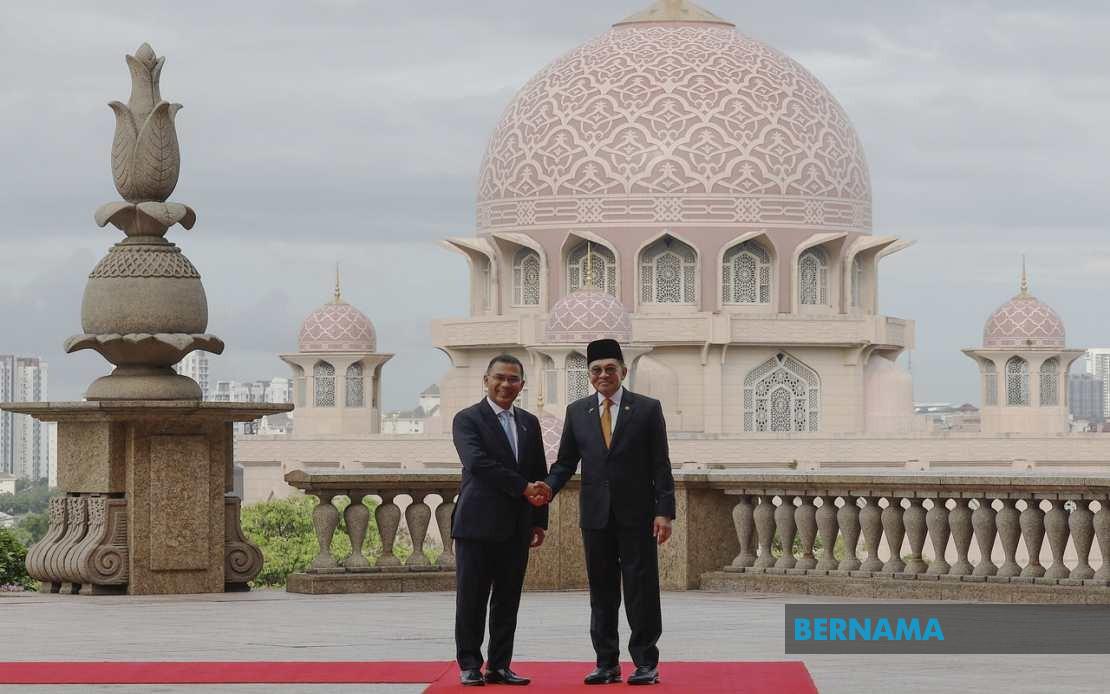
Bangladesh's Prime Minister Tarique Rahman has extended his personal wishes and prayers for the swift recovery of Malaysian counterpart Datuk Seri Anwar Ibrahim, underscoring the cordial bilateral relationship between Dhaka and Kuala Lumpur. The Bangladeshi leader conveyed his sentiments through a statement posted on the Prime Minister's Office Facebook page, highlighting the importance the South Asian nation places on maintaining strong ties with Malaysia across political and diplomatic spheres.
Rahman's message came following the announcement that Anwar had undergone an elective laparoscopic surgical procedure to address a para-umbilical hernia. The operation was confirmed by the Malaysian Prime Minister's medical team head, Datuk Dr Asri Ranga Abdullah Ramaiah, who released details of the successful intervention through a Facebook statement. The laparoscopic technique, a minimally invasive surgical approach, typically allows for faster recovery periods compared to traditional open surgery, a factor that likely informed the choice of procedure for the Malaysian leader.
In his public statement, Rahman appealed to divine blessing for Anwar's health, praying that the Malaysian Prime Minister would achieve complete recovery and enjoy robust health and vigour in the coming period. The message transcended personal well-wishes, as the Bangladeshi leader explicitly noted that the sentiments were shared collectively by the Bangladeshi people, effectively framing Anwar's health situation as a matter of national concern rather than merely individual circumstances. This approach reflects common diplomatic practice, wherein health challenges faced by senior leaders of friendly nations are treated as shared concerns within the broader framework of international relations.
The diplomatic gesture holds particular significance given the evolving geopolitical landscape of South Asia and Southeast Asia. Malaysia and Bangladesh maintain multifaceted engagement across trade, education, defence cooperation, and cultural exchange. By publicly expressing concern for Anwar's wellbeing, Rahman reinforced the depth of bilateral relations and demonstrated respect for Malaysian leadership at a moment when Anwar required focused attention on his health recovery. Such expressions of solidarity are especially meaningful in Muslim-majority nations, where invoking divine blessings and prayers carries considerable cultural and spiritual weight.
Anwar Ibrahim has served as Malaysia's Prime Minister since November 2022, following a complex political transition. His tenure has been marked by efforts to stabilise the Malaysian economy, manage diverse coalition politics, and strengthen Malaysia's regional positioning. The hernia condition requiring surgery is a relatively common medical issue that does not typically pose significant long-term health concerns when addressed through modern surgical techniques. The choice to proceed with elective surgery, rather than managing the condition conservatively, suggests medical advisors assessed intervention as prudent to prevent potential complications and maintain the Prime Minister's operational capacity.
The timing of such diplomatic messages underscores how contemporary political leadership remains engaged with international obligations even during periods of temporary medical intervention. Rahman's statement serves multiple functions: it expresses genuine diplomatic courtesy, reinforces bilateral relationship messaging to both Malaysian and Bangladeshi audiences, and demonstrates the continuity of governmental operations despite leadership healthcare needs. This approach normalises the reality that modern leaders, regardless of age or health status, occasionally require surgical intervention while remaining capable of executing their duties.
For Malaysian observers, the Bangladeshi response exemplifies how the nation is regarded within its extended regional neighbourhood. Bangladesh, despite being geographically located in South Asia, maintains significant ties with Southeast Asian nations through ASEAN dialogue partnerships and economic cooperation. The willingness of Bangladeshi leadership to publicly acknowledge and wish well a Malaysian Prime Minister demonstrates the practical reality of how South Asian and Southeast Asian nations navigate contemporary regional relationships, transcending traditional geographical categorisation in favour of pragmatic partnership.
The recovery period following laparoscopic hernia repair is typically measured in weeks rather than months, allowing most patients to resume regular activities within a relatively short timeframe. This medical reality suggests that Anwar's temporary medical intervention would not substantially impact Malaysia's governmental functions or his capacity to lead, provided appropriate delegation of duties during the immediate post-operative period. The public announcement of the surgery and recovery expectations serves to maintain transparency with both domestic and international stakeholders regarding leadership capacity and continuity.
As Bangladesh continues strengthening its regional position under Tarique Rahman's leadership, gestures of goodwill toward neighbouring governments contribute to the broader tapestry of South and Southeast Asian diplomacy. The expression of concern for Anwar's health, framed through cultural and spiritual references appropriate to both nations' Muslim-majority populations, illustrates how contemporary diplomatic practice incorporates elements of shared values alongside material interests. Such interactions, though sometimes appearing ceremonial in nature, carry genuine significance in maintaining the relationships that underpin regional stability and economic cooperation.

