%22%2F%3E%3C%2Fpattern%3E%3C%2Fdefs%3E%3Crect%20width%3D%22100%25%22%20height%3D%22100%25%22%20fill%3D%22url(%23ph73tlg)%22%2F%3E%3Crect%20width%3D%22100%25%22%20height%3D%22100%25%22%20fill%3D%22url(%23ph73tlp)%22%2F%3E%3Ctext%20x%3D%2250%25%22%20y%3D%2250%25%22%20text-anchor%3D%22middle%22%20dominant-baseline%3D%22central%22%20fill%3D%22rgba(255%2C255%2C255%2C0.95)%22%20font-family%3D%22Georgia%2C%20'Times%20New%20Roman'%2C%20serif%22%20font-weight%3D%22700%22%20font-size%3D%22136%22%20letter-spacing%3D%22-0.02em%22%3EBangladesh%3C%2Ftext%3E%3C%2Fsvg%3E)
Bangladesh Prime Minister Tarique Rahman departed Malaysia on Saturday, concluding a significant two-day official engagement that underscored deepening bilateral ties between the two South Asian and Southeast Asian neighbours. A special aircraft carrying the Prime Minister and his delegation lifted off from Kuala Lumpur International Airport at 5 pm, where he received a formal ceremonial send-off featuring a guard of honour from the First Battalion of the Royal Ranger Regiment. Minister in the Prime Minister's Department (Religious Affairs) Dr Zulkifli Hasan represented the Malaysian government at the departure ceremony, extending farewells to Tarique, his spouse Dr Zubaida Rahman, and members of the Bangladeshi delegation.
The visit marked a watershed moment in bilateral relations, representing Tarique's inaugural official foreign engagement since he assumed office in February 2026. His selection of Malaysia as the destination for his first international bilateral trip reflects the strategic importance Kuala Lumpur holds in Dhaka's regional diplomacy, particularly given Malaysia's standing within ASEAN and its established partnerships across South Asia. The timing also demonstrates Bangladesh's commitment to strengthening ties with established regional powers as it pursues its own diplomatic and economic objectives in the Indo-Pacific.
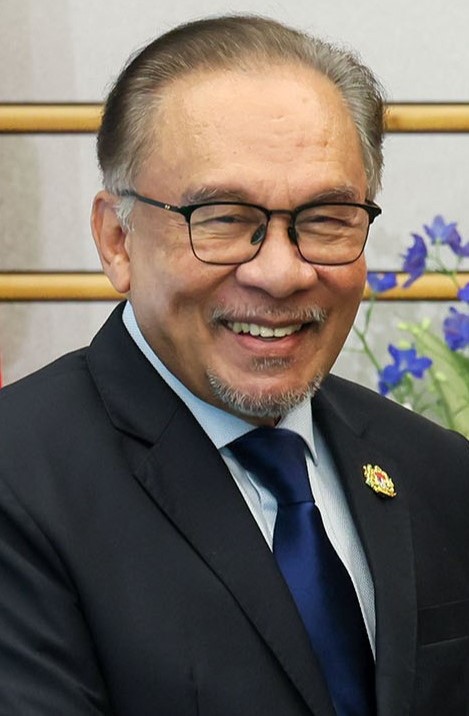
On the final day of his stay, Tarique held extensive talks with Prime Minister Datuk Seri Anwar Ibrahim at the Perdana Putra Complex, where both leaders canvassed a comprehensive range of regional and international matters. The bilateral meeting went beyond routine courtesies to explore substantive opportunities for institutional cooperation. The two governments identified priority sectors for expanded partnership, including trade and investment frameworks, human resource development initiatives, semiconductor manufacturing, renewable energy projects, agricultural collaboration, and educational exchange programmes. This sectoral approach reflects both nations' recognition that modern bilateral relationships must span multiple economic and social dimensions to generate meaningful benefits for their respective populations.
The substantive outcomes of the visit materialised in formal agreements signed during the engagement. Both governments inked a Memorandum of Understanding focused on cultural cooperation, reflecting Malaysia's longstanding interest in deepening people-to-people connections with neighbouring nations. Additionally, two Exchanges of Notes were formalised covering counter-terrorism research collaboration and mechanisms to promote and facilitate investment flows between the two countries. These instruments, though sometimes understated in diplomatic coverage, establish institutional pathways for ongoing cooperation and demonstrate mutual commitment to addressing shared security and economic challenges.
A cornerstone commitment emerging from the visit involved accelerating negotiations toward a fast-track free trade agreement, a move that could substantially reshape commercial dynamics between the two nations. Given Malaysia's current position as Bangladesh's second-largest trading partner within South Asia—after only India—and considering the bilateral trade volume of RM12.18 billion recorded in 2025, an FTA could unlock significant growth potential. Malaysia exported RM10.08 billion worth of goods to Bangladesh during 2025, predominantly petroleum products that remain critical to Bangladesh's energy security and industrial operations. Conversely, Bangladesh supplied RM2.10 billion in imports, centred on textiles, apparel and footwear sectors where the nation possesses considerable competitive advantages. An FTA framework could facilitate deeper integration in these complementary sectors while potentially attracting third-country investment to both nations.
Beyond bilateral commerce, both leaders committed to strengthened cooperation in the energy and halal industry sectors. Bangladesh's growing energy demands and Malaysia's established expertise in petroleum refining and liquefied natural gas operations create natural grounds for partnership. The halal industry dimension carries particular significance, as Malaysia positions itself globally as a standards-setter and hub for Islamic commerce, while Bangladesh represents an enormous Muslim-majority market with rising consumption standards. Such cooperation could position Malaysian companies advantageously across supply chains and certification frameworks throughout Bangladesh's rapidly expanding economy.
Tarique seized the opportunity to reiterate Bangladesh's strategic ambitions within the regional architecture. The nation formally reaffirmed its aspiration to secure ASEAN Sectoral Dialogue Partner status, a designation that would grant meaningful participation in regional forums without full membership obligations. Additionally, Bangladesh expressed sustained interest in acceding to the Regional Comprehensive Economic Partnership, a massive trade architecture encompassing ASEAN members alongside China, Japan, South Korea, Australia and New Zealand. Malaysian endorsement of these aspirations, signalled during the bilateral engagement, carries considerable weight given Kuala Lumpur's influential voice within ASEAN decision-making processes. Such backing could accelerate Bangladesh's integration into regional institutional structures, benefiting both the nation itself and the broader regional economy through enhanced connectivity.
On the international stage, both leaders discovered substantial common ground across several contentious global issues. They reiterated shared support for the Palestinian cause and expressed mutual concern regarding the humanitarian dimensions of the Gaza conflict. Both nations also prioritised diplomatic efforts aimed at achieving durable peace arrangements in the Persian Gulf region, reflecting the strategic importance of Middle Eastern stability for trade corridors and energy supplies that affect both countries. This convergence on international positions strengthens the bilateral relationship beyond transactional economic interactions, positioning Malaysia and Bangladesh as aligned voices within global forums.
The Rohingya refugee crisis emerged as a particularly significant focal point for bilateral cooperation. Both governments committed to intensifying efforts through ASEAN mechanisms to identify lasting solutions to this protracted humanitarian challenge. With Bangladesh hosting over one million Rohingya refugees in sprawling camps within Cox's Bazar, the nation bears enormous humanitarian and economic burdens. Malaysia, which itself hosts substantial refugee populations, understands the complexities of such situations. Both countries agreed to engage more actively with Myanmar authorities, seeking pathways toward voluntary, safe and dignified repatriation. This commitment acknowledges that unilateral national efforts have proven insufficient, and that regional cooperation through ASEAN frameworks offers the most viable mechanism for addressing what has become a defining humanitarian crisis in Asia.
The bilateral trade relationship, while already substantial, reflects the potential for further expansion. Bangladesh's ranking as Malaysia's 28th-largest trading partner globally, combined with its position as the second-largest South Asian trading partner after India, suggests considerable untapped potential. The predominance of petroleum exports from Malaysia indicates scope for diversification into higher-value manufactured goods and services sectors. Bangladesh's textile and apparel strengths could similarly expand into Malaysian market segments currently served by other suppliers. The proposed fast-track FTA could catalyse such reorientation by reducing tariff barriers and facilitating supply chain integration across complementary industries.
Tarique's immediate departure for China underscores Bangladesh's broader strategic orientation toward engaging multiple major powers across the Indo-Pacific. This multi-alignment approach, common among South Asian nations navigating great power competition, reflects Bangladesh's pragmatic effort to maximise economic opportunities and diplomatic flexibility. The sequential visits to Malaysia and China demonstrate how Bangladesh calibrates its international engagement to balance regional partnerships with ties to major powers that offer distinct economic and strategic advantages.
Looking forward, the outcomes from this visit establish frameworks for substantially deepened Malaysia-Bangladesh engagement across multiple dimensions. The commitments on trade acceleration, sectoral cooperation, and regional issue management create momentum that Malaysian and Bangladeshi officials will need to convert into concrete institutional arrangements and commercial transactions. Success in implementing the fast-track FTA negotiations, advancing energy partnerships, and strengthening ASEAN-based approaches to the Rohingya crisis will determine whether this visit marks a genuine inflection point in bilateral relations or represents merely another diplomatic event in the steady stream of high-level engagement between neighbouring nations.