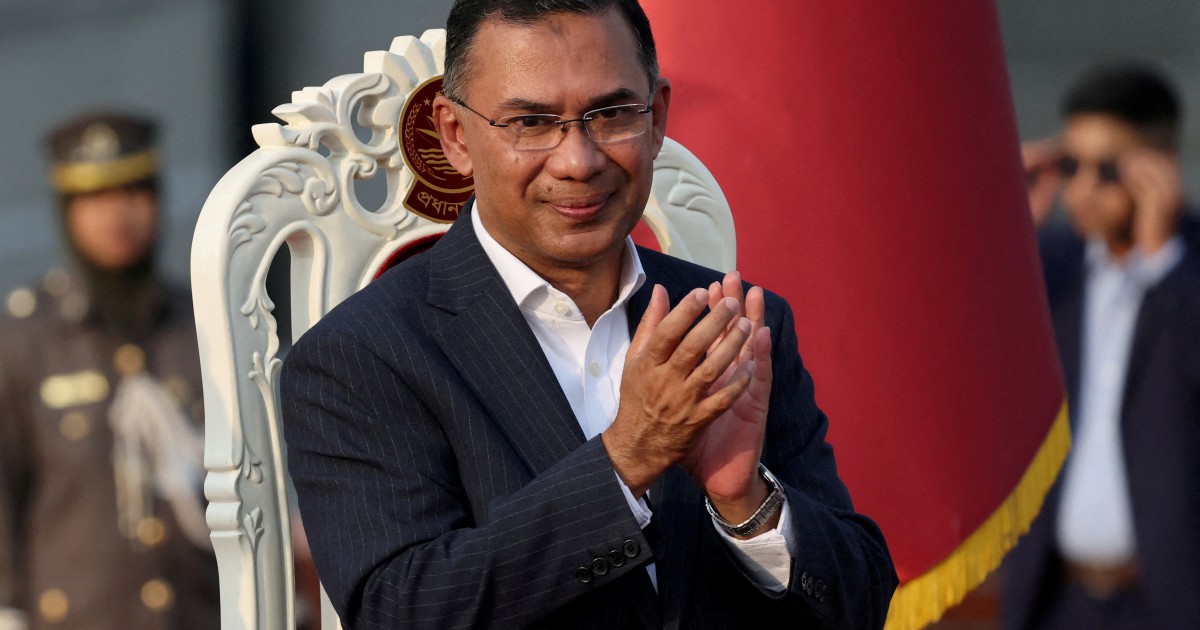
Prime Minister Tarique Rahman will not travel to India until New Delhi takes action on Bangladesh's extradition request for former premier Sheikh Hasina, Dhaka announced on Sunday. The declaration marks a significant hardening of Bangladesh's diplomatic position toward its neighbour and underscores the complexity of managing bilateral relations while addressing the aftermath of political upheaval that saw Hasina flee the country during 2024.
Hasina departed Bangladesh during a period of widespread civil unrest that culminated in the toppling of her administration. The uprising exposed deep fractures within Bangladeshi society and triggered a transition to a new political order led by Rahman, whose caretaker government has since moved to consolidate power and reshape the nation's political landscape. The demand for Hasina's return to face the justice system represents more than a legal matter—it has become a touchstone for the new administration's legitimacy and its ability to demonstrate accountability for the previous regime's actions.
The extradition condition carries substantial symbolic weight in Bangladeshi domestic politics. The interim government, supported by student protest movements and civil society groups that drove the uprising, faces pressure to show tangible results in pursuing accountability measures against figures associated with the previous administration. By conditioning diplomatic engagement with India on this issue, Rahman's government signals to domestic constituencies that it will not compromise on addressing grievances linked to Hasina's tenure, regardless of regional diplomatic considerations.
From India's perspective, the situation presents a delicate diplomatic challenge. New Delhi has historically maintained close ties with Bangladesh and may view the extradition request through the lens of bilateral relations and international law complexities. India's handling of such requests typically considers multiple factors including formal legal procedures, potential political ramifications, and existing diplomatic relationships. Bangladesh's unilateral declaration essentially places the ball in India's court while testing how seriously New Delhi regards the new Bangladeshi administration's priorities.
The timing of this announcement reflects the ongoing tension between Dhaka's need to consolidate its political transition and the practical realities of managing a major regional relationship. High-level diplomatic visits serve important functions in bilateral relations, signalling commitment to cooperation and enabling substantive discussions on trade, security, and regional concerns. By imposing this condition, Bangladesh is essentially betting that the importance of India-Bangladesh relations will eventually compel New Delhi to address the extradition matter, or that continuing pressure will eventually succeed in locating and returning Hasina.
Hasina's flight during the uprising created a legal and political vacuum regarding her status and culpability. Various allegations against her administration, ranging from extrajudicial killings to corruption, have been cited by those supporting accountability measures. Whether India would grant an extradition request depends on whether Bangladesh files formal charges meeting international legal standards and whether the allegations are framed in ways that align with bilateral extradition treaties and Indian domestic law. The actual mechanics of such proceedings often move slowly and face numerous procedural hurdles.
For Malaysia and other Southeast Asian nations, this standoff illustrates broader tensions within the region's political transitions. Bangladesh's situation reflects a global pattern wherein popular uprisings against incumbent governments create aftermath challenges around accountability, transitional justice, and the treatment of ousted leaders. How Bangladesh navigates this issue—and whether it manages to balance domestic demands for accountability with the pragmatic needs of regional engagement—may set precedents for how other nations in the region approach similar situations.
The regional implications extend to India as well, which maintains complex relationships across South and Southeast Asia. New Delhi's response to Bangladesh's demand will be monitored by other nations and could influence how regional actors view India's willingness to respond to extradition requests from neighbours. At the same time, India may prefer to avoid setting precedents that could later be invoked against it by other countries.
Rahman's government faces a strategic calculation: maintaining public pressure on accountability while eventually preserving critical bilateral relationships. A complete breakdown in India-Bangladesh ties would be costly for both nations given their interdependencies in trade, security, water-sharing arrangements, and regional stability. The extradition demand may therefore represent less a permanent impasse and more a negotiating position that allows the interim administration to demonstrate resolve to domestic audiences while leaving diplomatic room for eventual compromise or alternative arrangements.
How this situation evolves will depend on whether Bangladesh formally files extradition documentation, how India responds to such requests, and whether the two nations find creative diplomatic solutions that address Dhaka's domestic imperatives while preserving bilateral cooperation. For now, the statement serves as a clear marker of the new government's priorities and its determination to pursue accountability measures despite regional complications.

