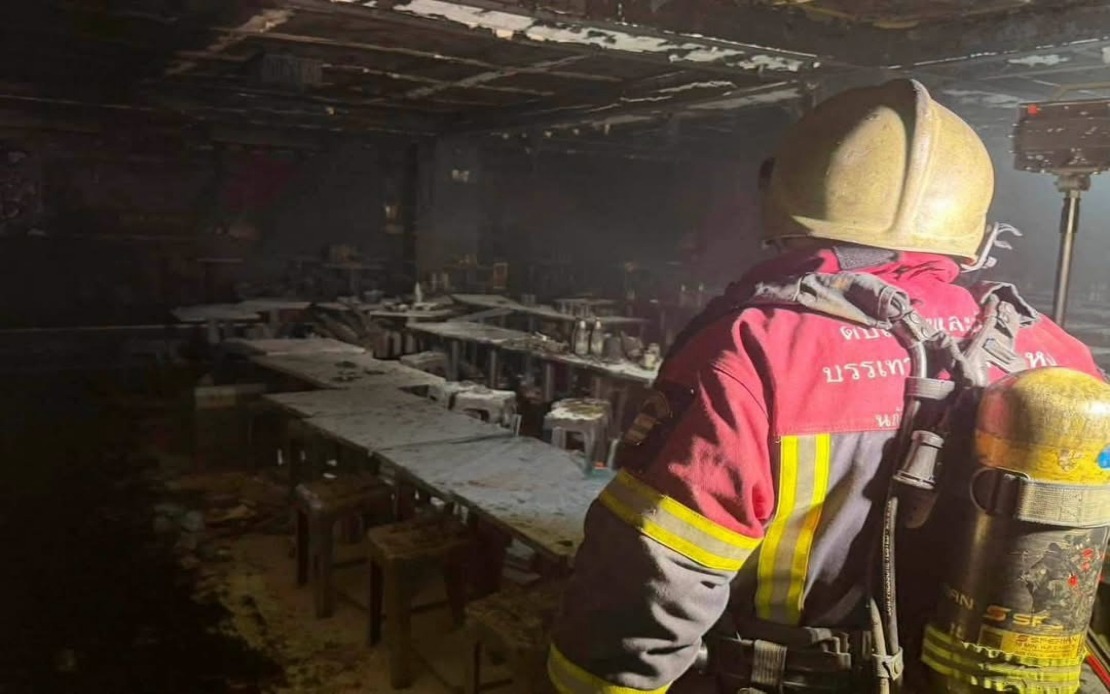
A catastrophic fire swept through a bar in Bangkok's Lat Phrao area of Chatuchak district in the early hours of Monday morning, claiming at least 27 lives and leaving 18 others injured in what authorities are treating as a major disaster. The incident, which erupted shortly after midnight, has triggered a comprehensive investigation by police and forensic specialists, whilst raising urgent questions about venue safety standards across Thailand and Southeast Asia more broadly.
Bangkok Governor Chadchart Sittipunt arrived at the devastated establishment around 2.40 am and immediately initiated a formal inquiry into the circumstances surrounding the blaze. The Bangkok Metropolitan Administration (BMA) has secured the site and commissioned forensic examination teams to establish the precise origin of the fire and understand how the tragedy unfolded so rapidly within the confined space. Preliminary findings indicate that flames propagated with alarming speed through the ceiling structure, suggesting a potential electrical source, though investigators stress that conclusions remain premature pending detailed forensic analysis.
According to the BMA's Department of Disaster Prevention and Mitigation, the fatalities comprised nine men and 18 women, a demographic breakdown that reflects the venue's evening clientele at the time of the incident. Medical personnel are conducting victim identification procedures whilst 18 survivors continue receiving treatment, with eight classified as critically injured, seven sustaining moderate injuries, and three with minor wounds. Preliminary medical assessments suggest that smoke inhalation was the primary cause of death for most victims, though definitive cause-of-death determinations await completion of forensic examinations and pathological review.
Governor Chadchart's examination of the scene revealed a troubling detail: multiple victims were discovered positioned near an emergency exit on the building's left side, where preliminary evidence suggests potential obstructions may have impeded escape routes. This observation has become central to the investigation, as safety officials now question whether panic-stricken patrons were unable to access clearly marked exits during the critical minutes when evacuation would have saved lives. The governor cautiously noted that further investigative work is essential before drawing definitive conclusions about whether structural or operational failures contributed to the death toll.
The BMA has announced a comprehensive audit of the bar's operating credentials and compliance with Thailand's fire safety regulations. This inspection will specifically examine the adequacy and functionality of emergency exit systems, the visibility and proper illumination of exit signage, and whether evacuation pathways were obstructed by furniture, stored materials, or other obstacles. Such inspections carry particular significance for Southeast Asian venues, where enforcement of safety codes varies considerably across jurisdictions and facilities, and where rapid commercial expansion has sometimes outpaced regulatory oversight.
Prime Minister Anutin Charnvirakul visited the scene Monday morning and received briefings from incident commanders, subsequently speaking with a musician who had been performing when the disaster occurred. The performer provided a harrowing firsthand account, describing an initial fire at the electrical switchboard followed by rapid escalation involving explosions and the sudden release of thick smoke that forced patrons to flee in near-total darkness. This eyewitness testimony corroborates the official theory that electrical failure triggered the initial ignition, though investigators caution that multiple contributing factors may have accelerated the fire's spread.
The incident carries sobering implications for nightlife venues throughout Thailand and neighbouring countries where similar establishments operate with varying degrees of safety infrastructure. Bar fires remain a recurring tragedy in the region, often claiming disproportionate casualties because late-night venues frequently operate with reduced staffing, dimly lit interiors designed for ambiance rather than emergency visibility, and tightly packed floor plans that complicate rapid evacuation. The Bangkok fire, occurring in a major metropolitan area with ostensibly stronger regulatory frameworks than smaller provincial towns, underscores how institutional failures and design inadequacies can prove fatal even in regulated urban environments.
The speed with which flames consumed the Lat Phrao bar—taking lives within minutes of ignition—highlights how the combination of electrical ignition, rapid ceiling-level flame propagation, and potentially compromised escape routes created a perfect storm of lethal circumstances. Survivors and responders have described the chaos of sudden darkness and suffocating smoke, conditions that render even familiar spaces disorientating and deadly. The fact that numerous victims were found clustered at a single exit point suggests that panicked patrons may have converged on one perceived escape route whilst remaining unaware of alternative exits, a common pattern in venue disasters where emergency egress systems are inadequately marked or whose locations customers have never familiarised themselves with during calmer periods.
Thailand's regulatory authorities now face pressure to implement stricter enforcement mechanisms across the hospitality sector, particularly regarding electrical systems, fire suppression equipment, and emergency preparedness procedures. For Malaysia and other regional governments, the Bangkok tragedy serves as a cautionary demonstration of how seemingly localised safety lapses can rapidly transform into mass casualty incidents. Venue operators, particularly those managing late-night establishments where alcohol consumption may impair patron judgment and mobility, must prioritise infrastructure improvements and staff training regimens that prioritise human safety over commercial considerations.
The investigation into the exact trigger mechanism and the sequence of failures that prevented mass casualties will likely consume several weeks of detailed forensic analysis. Police continue gathering witness statements, examining the electrical infrastructure, and analysing surveillance recordings if available. Governor Chadchart has pledged that the Bangkok Metropolitan Administration will implement recommendations emerging from this investigation, whilst conducting broader compliance reviews across similar establishments operating within Bangkok's administrative boundaries.

