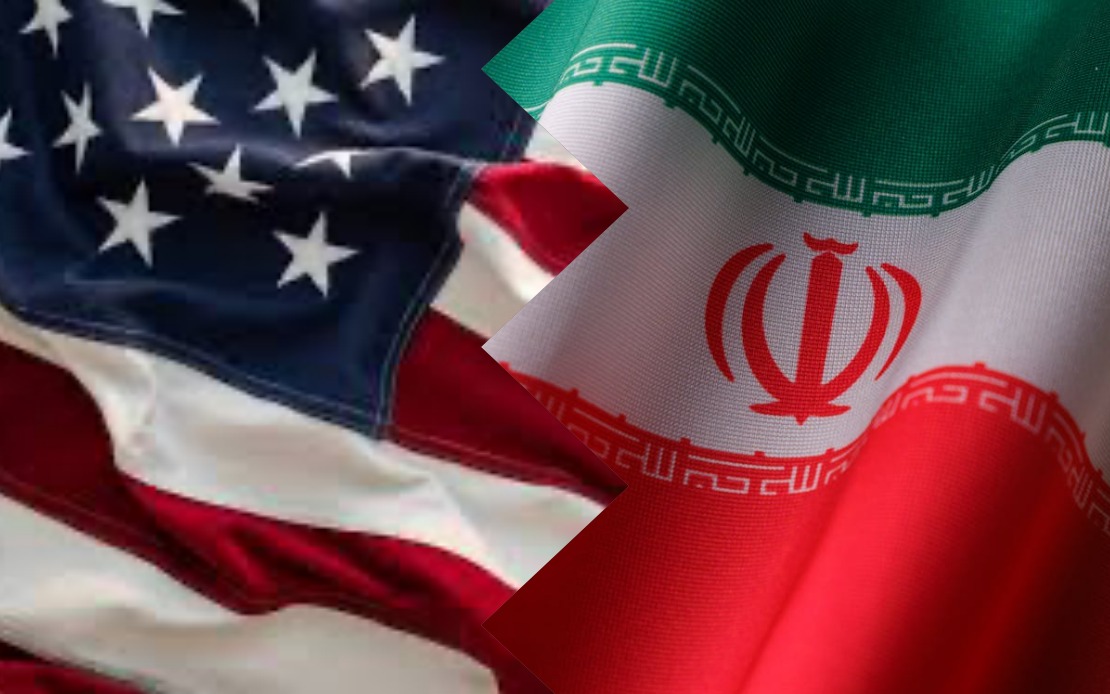
Air raid sirens blared across Bahrain in the early hours of Wednesday as the region experienced fresh escalation in the ongoing standoff between Washington and Tehran. The alert came swiftly after the United States military completed what officials characterized as a major retaliatory operation, striking more than 80 targets across Iranian territory. Bahrain's Ministry of Interior issued an urgent public advisory directing citizens and residents to remain calm and proceed immediately to designated safe locations, though initial announcements stopped short of detailing the specific trigger for the precautionary measures.
The timing of the alert underscores the volatile nature of current tensions in the Persian Gulf, where commercial shipping has become an increasingly contested domain. The US Central Command explicitly framed the operation as an immediate and direct response to a series of Iranian attacks targeting merchant vessels navigating the strategically vital Strait of Hormuz. This critical waterway, through which roughly one-third of global maritime oil traffic passes, has emerged as a flashpoint in the broader confrontation between the two powers and their respective regional allies.
According to American officials speaking to news organizations including Axios, Iranian military forces had launched unmanned aerial vehicles toward Bahrain in connection with the escalating cycle of tit-for-tat military action. The resort to drone strikes by Tehran represents an evolution in tactics employed across recent months, signalling both capability and intent to project power across the Gulf. For Bahrain, host to the US Navy's Fifth Fleet headquarters and a key American strategic asset in the region, such threats carry particular significance given the island kingdom's close alignment with Washington.
The scope of the American response appears designed to send a forceful message regarding Washington's commitment to protecting commercial maritime interests in the region. By targeting more than 80 Iranian positions in a single coordinated operation, the US military demonstrated both substantial force projection capability and apparent coordination with intelligence assets tracking Iranian military activities. The breadth of the strike campaign suggests targets were distributed across multiple Iranian locations rather than concentrated in a single geographic area, reflecting a comprehensive approach to degrading Tehran's capacity to threaten shipping.
For Malaysia and other Southeast Asian nations heavily dependent on uninterrupted flow through the Strait of Hormuz, these developments carry immediate commercial implications. Malaysian shipping companies, energy importers, and manufacturers reliant on timely delivery of oil and petroleum products face renewed uncertainty regarding transit safety. The Strait of Hormuz remains essential to regional supply chains, making any disruption a matter of pressing concern for economies across Southeast Asia that lack significant domestic hydrocarbon reserves.
The incident also illustrates how regional security dynamics in the Middle East directly impact maritime commerce and energy security across Asia-Pacific. Malaysian policymakers and business leaders must consider whether the escalating pattern of attacks and counter-strikes might eventually force recalibration of shipping routes, increased insurance costs, or more stringent security protocols that ultimately raise costs for regional importers. These potential secondary effects of the US-Iran confrontation could reverberate through Malaysian supply chains and energy budgets.
Bahrain's activation of civil defence protocols reflects genuine concern among Gulf Arab states regarding the unpredictable trajectory of the current confrontation. The kingdom, despite its strategic partnership with Washington, remains geographically vulnerable and navigates a delicate balance maintaining relations with both the United States and its larger regional neighbour Iran. The sirens serve as both practical safety measure and symbolic reminder of the region's fragility amid great power competition.
The sequence of events—Iranian attacks on shipping followed by American military response followed by Iranian drone activity toward Bahrain—demonstrates an entrenched cycle of action and reaction that shows few signs of de-escalation. Each iteration risks miscalculation or unintended consequences that could dramatically widen the conflict beyond current parameters. Regional observers express growing concern that economic interests in preventing broader war may be insufficient to constrain military escalation if either side perceives existential threats.
For Malaysian observers, the unfolding situation reinforces the importance of maintaining diversified energy sources and supply routes while avoiding entanglement in Middle Eastern conflicts. The country's diplomatic posture emphasizing non-alignment and regional stability becomes increasingly valuable as tensions in the Persian Gulf rise. Additionally, the episode underscores why ASEAN nations continue advocating for freedom of navigation and peaceful resolution of disputes, principles directly threatened when major power competition translates into military operations affecting vital commercial corridors.
The broader pattern of escalation in the Persian Gulf reflects deeper structural tensions regarding power distribution, resource competition, and differing visions for regional order. The United States maintains interest in preserving its security architecture and energy supplies, while Iran pursues regional influence and resistance to what it perceives as American-led containment. This fundamental discord, playing out across commercial shipping lanes that connect global energy markets, creates persistent risks of further military action that could undermine the stability upon which regional and global commerce depends.

