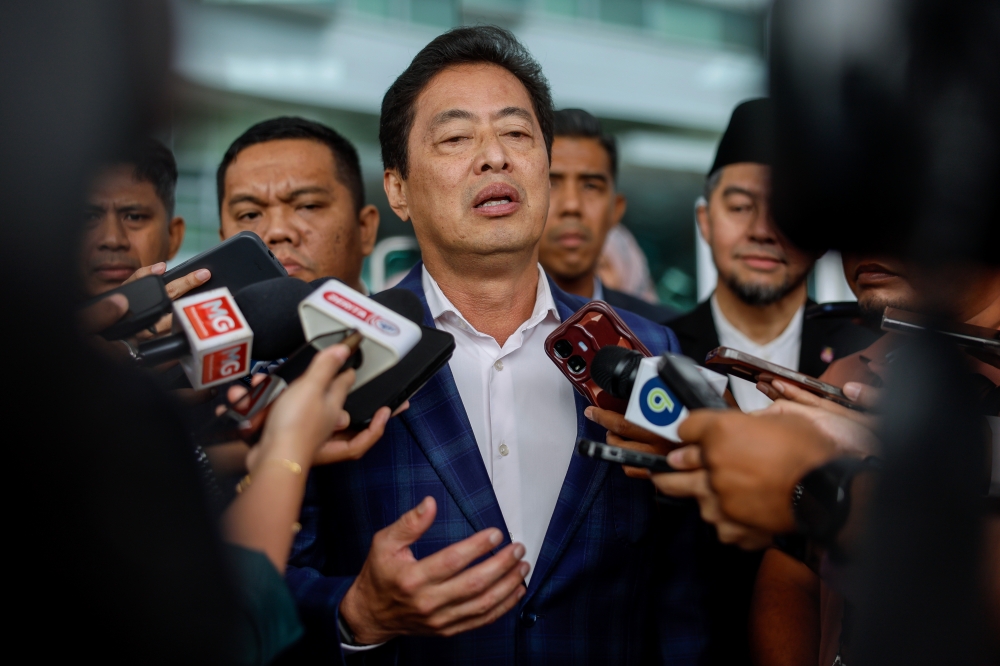
Former Malaysian Anti-Corruption Commission chief commissioner Tan Sri Azam Baki has categorically rejected suggestions that he played any role in securing a RM178 million government contract for a firm with connections to his brother. The statement represents his latest effort to distance himself from the transaction, which has intensified scrutiny over potential conflicts of interest and the intersection of his family ties with his former position atop Malaysia's primary anti-graft watchdog.
The controversy centres on a substantial procurement agreement involving a business entity that maintains connections to Azam Baki's brother. Such arrangements have historically drawn attention from transparency advocates and governance observers in Malaysia, who remain vigilant about situations where family relationships might influence government spending decisions or regulatory outcomes. The timing of the contract award and Azam Baki's tenure as MACC commissioner have amplified public interest in understanding the full circumstances surrounding the transaction.
Azam Baki's unambiguous denial carries particular weight given his former responsibility for investigating corruption matters across Malaysian public institutions. During his tenure at the MACC, he oversaw numerous high-profile inquiries and maintained a public commitment to upholding ethical standards in government procurement and tender processes. His explicit rejection of involvement suggests an awareness of how such allegations could undermine confidence in both his personal integrity and the independence of the anti-corruption agency he previously led.
The RM178 million figure represents a considerable sum within Malaysia's government spending context, making the contract especially significant for public accountability purposes. Government contracts of this magnitude typically warrant rigorous scrutiny regarding procurement procedures, competitive bidding processes, and the absence of favouritism or irregular conduct. The involvement of family connections introduces additional dimensions that governance advocates argue should trigger heightened transparency measures and clearer documentation of decision-making procedures.
This development emerges within a broader climate of heightened public sensitivity toward governance issues in Malaysia. Successive political administrations have faced mounting pressure from civil society organisations and citizens to strengthen institutional safeguards against potential abuses and demonstrate genuine commitment to integrity principles. Each fresh allegation concerning government officials, regardless of veracity, contributes to perceptions of systemic vulnerability that governance reformers continue to highlight.
The situation also reflects ongoing tensions between Malaysia's anti-corruption establishment and public trust in its neutrality. The MACC, despite its statutory independence, has periodically faced criticism regarding selective enforcement and the perceived politicisation of its investigative priorities. When figures closely associated with the institution find themselves embroiled in controversy, questions inevitably surface about institutional credibility and whether organisational leadership truly embodied the principles the agency purports to advance.
For Southeast Asia's broader governance landscape, the incident underscores persistent challenges across the region regarding institutional independence and family-based networks in political and administrative spheres. Countries throughout the region have grappled with comparable situations where kinship ties intersect with public procurement and regulatory decision-making. Malaysia's experience demonstrates how these dynamics continue generating public concern despite institutional reform efforts undertaken over previous decades.
Azam Baki's position as MACC chief commissioner provided him with substantial influence over investigations, enforcement priorities, and the allocation of institutional resources. His separation from that role theoretically removes his direct capacity to influence current investigations or tender procedures. However, questions persist regarding whether his previous tenure created conditions favourable to favoured entities or whether protocols existed to ensure his family connections received no preferential treatment in matters within his purview.
The RM178 million contract's specific purpose and the tendering process that resulted in the award to the brother-linked firm remain central considerations for assessing the full implications of this matter. Transparent documentation of how competing bidders were evaluated, whether independent assessments occurred, and whether procurement procedures strictly adhered to established guidelines would substantially clarify the situation and either validate or complicate Azam Baki's denials.
Moving forward, this episode highlights the importance of robust conflict-of-interest declarations and recusal procedures within Malaysia's public institutions. Government agencies should maintain transparent mechanisms ensuring that officials with potential financial stakes or family connections to entities conducting business with government institutions formally document these relationships and abstain from decisions affecting those entities. Such protocols, if consistently implemented and publicly documented, would substantially reduce opportunities for allegations of impropriety to gain credence.
The case also demonstrates why independent oversight mechanisms merit continued investment and political support. Institutional watchdogs capable of investigating high-profile figures without interference or political pressure remain essential for maintaining public confidence in governance frameworks. Malaysian stakeholders and observers across Southeast Asia will likely scrutinise how authorities ultimately address this matter and whether outcomes reflect commitment to accountability or suggest institutional limitations.

