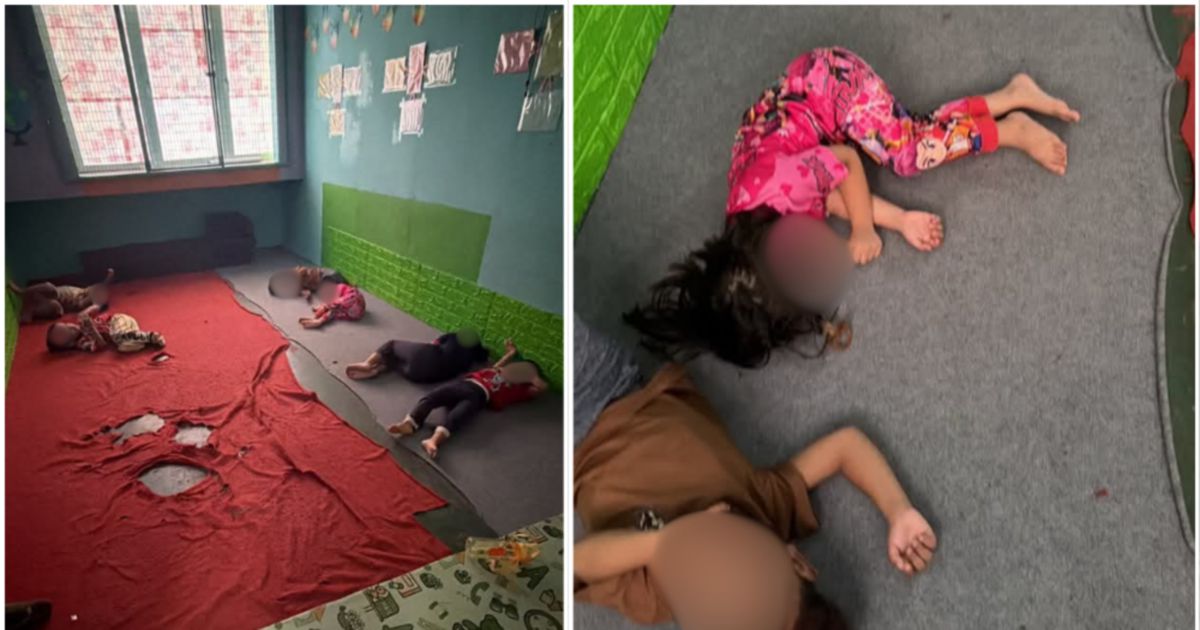
Police in Kuala Lumpur have begun investigating allegations of severe child abuse at a childcare centre in Kuah, Langkawi, triggered by reports that young charges were systematically deprived of food and confined in a toilet. The case has raised fresh concerns about supervision and regulatory oversight of the private childcare sector in Malaysia, where thousands of facilities operate with varying standards of care and hygiene.
The facility's alleged practices represent a serious breach of basic welfare standards and child protection principles. Such allegations, if substantiated, would constitute criminal mistreatment under Malaysian law and expose the centre's operators to potential prosecution and licence revocation. The specificity of the claims—involving both nutritional neglect and physical confinement—suggests a pattern of deliberate mistreatment rather than isolated incidents of poor management.
Langkawi's tourism-dependent economy has experienced rapid residential and commercial expansion in recent years, creating increased demand for childcare services among working parents and expatriate communities. This growth has sometimes outpaced regulatory capacity, allowing substandard facilities to operate with minimal accountability. The allegations underscore the challenges faced by enforcement authorities in monitoring hundreds of unlicensed or inadequately supervised centres across the island.
The plight of vulnerable young children in institutional settings remains a persistent concern across Southeast Asia. Malaysia's childcare regulatory framework, administered through the Ministry of Women, Family and Community Development, requires registered centres to meet specific safety, nutrition, and staffing standards. However, enforcement mechanisms have historically struggled with resource constraints and delayed inspections, enabling problem facilities to persist until complaints reach authorities.
Experts in child welfare have long highlighted the psychological and physical consequences of nutritional deprivation and confinement trauma on developing children. Malnutrition during early childhood can impair cognitive development and physical growth, with effects that may persist into adulthood. Psychological harm from confinement and abuse can result in anxiety disorders, attachment difficulties, and long-term emotional damage requiring professional intervention.
The investigation will likely examine whether the daycare held a valid operating licence, what qualifications staff possessed, and what complaint mechanisms existed for parents to report concerns. Authorities will need to determine whether the alleged abuses were systematic or sporadic, and whether other staff members were complicit or ignored warning signs. Interviews with affected children, medical examinations, and facility inspections will form crucial components of the investigative process.
Parental awareness of childcare quality remains uneven in Malaysia, particularly among working families with limited time to conduct thorough vetting. Some parents rely primarily on word-of-mouth recommendations or geographic proximity rather than verifying licensing status or safety certifications. This information gap enables poorly-managed centres to maintain operations despite quality issues that more informed consumers would reject outright.
The case will likely intensify discussions about mandatory licensing enforcement, unannounced inspections, and digital reporting systems for childcare facilities. Several Southeast Asian jurisdictions have implemented registry platforms allowing parents to verify licensing status and view inspection histories transparently. Malaysia could benefit from similar mechanisms to empower parents and increase institutional accountability across the sector.
Regulatory authorities typically conduct unannounced inspections of licensed childcare facilities on a rotating basis, though frequency varies significantly by state and enforcement capacity. The Langkawi incident may prompt Kedah's licensing agency to accelerate inspections of other facilities and review documentation for centres showing compliance gaps. National-level review of childcare centre standards might follow, particularly regarding nutrition requirements, staff-to-child ratios, and safety protocols.
The investigation's outcomes will carry implications beyond Langkawi for the broader childcare industry. High-profile prosecutions of centre operators can serve as deterrents to abuse and mobilise stricter compliance among facilities operating in legal grey areas. Conversely, failed prosecutions or lenient sentencing can undermine public confidence in the regulatory system's capacity to protect vulnerable populations.
Parents seeking childcare in Langkawi and elsewhere should verify licensing credentials through state welfare departments, request references from other families, conduct unannounced visits, and observe staff interactions with children directly. Red flags include reluctance to allow parental visits, poor facility hygiene, understaffing, and caregiver disengagement from children. Professional childcare organisations have published guidelines helping parents assess quality, though awareness and uptake remain inconsistent across income levels.
This investigation represents an opportunity for Malaysian authorities to reassess childcare sector governance and implement systemic improvements protecting children's physical safety, nutrition, and psychological wellbeing. Strengthening licensing enforcement, expanding inspector capacity, requiring operator training, and creating accessible complaint channels would establish stronger protections. Until comprehensive reform occurs, vigilant parental oversight and community reporting remain essential safeguards for Malaysia's youngest and most vulnerable citizens.

