Scientists working in Western Australia have identified what could become a transformative energy resource: natural hydrogen trapped within the state's vast iron ore formations. The breakthrough comes from researchers at Edith Cowan University, who have demonstrated that magnetite—an iron oxide mineral abundant beneath WA's characteristic red soil—releases hydrogen gas when exposed to hot water under the extreme pressures found deep underground. This discovery carries significant implications for global energy security and Australia's position as a clean energy exporter, particularly as nations worldwide accelerate their transition away from fossil fuels.
The fundamental mechanism the ECU team identified involves a chemical reaction between magnetite and water at elevated temperatures. During their experiments, researchers replicated deep subsurface conditions by subjecting magnetite samples to water heated to 200 degrees Celsius while maintaining high pressure for a 60-day period. Under these circumstances, the mineral consistently released hydrogen gas, suggesting that similar natural processes have been occurring for millennia within Earth's crust. This finding adds a new dimension to understanding how hydrogen, the universe's most abundant element, may be produced through geological processes rather than requiring human industrial intervention.
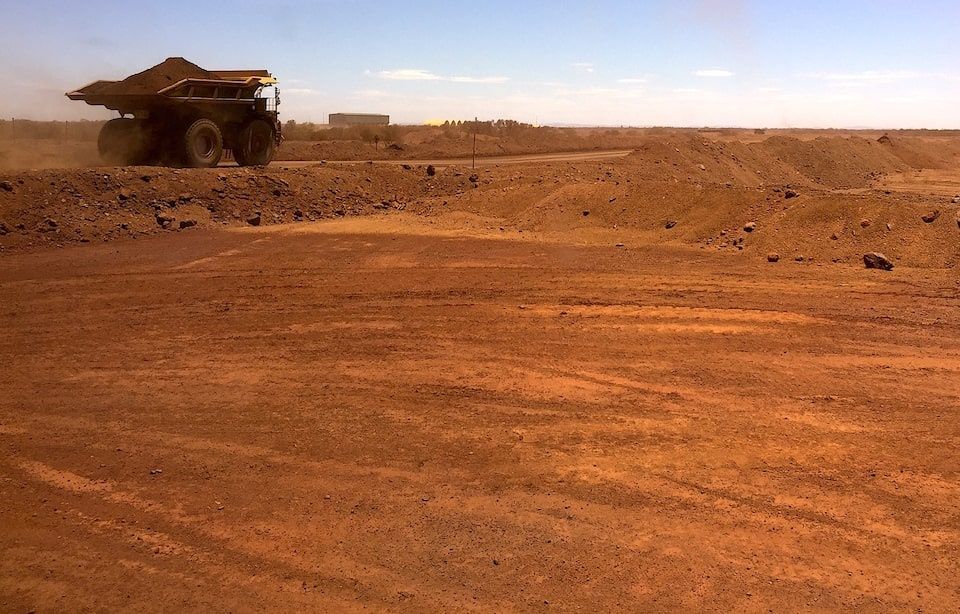
What distinguishes this research is its potential scalability within the Australian context. Western Australia possesses some of the world's most extensive banded iron formations—layered geological structures created by ancient oceanic processes billions of years ago. These formations stretch across vast areas of the state and represent an enormous reservoir of magnetite. The sheer abundance of this mineral resource means that even modest hydrogen-generation efficiency could translate into substantial energy production capacity. Unlike other hydrogen production methods that demand significant energy inputs or specialized infrastructure, this natural process operates continuously within the Earth's geological environment.
The ECU research team made a crucial discovery regarding the conditions that optimize hydrogen production. Their analysis revealed that the amount of hydrogen generated depends not simply on the quantity of magnetite present, but equally on the accessibility of fresh mineral surfaces. Water must be able to penetrate through fractures, pores, and permeable pathways within the rock formations to interact with unexposed mineral material. This insight opens practical possibilities: by injecting water solutions into banded iron formations, researchers propose that hydrogen production could be significantly enhanced. The approach resembles enhanced oil recovery techniques already deployed across the mining industry, suggesting feasibility within existing operational frameworks.
The implications for the broader Asia-Pacific region deserve careful consideration. Southeast Asian nations, including Malaysia, face mounting energy demands coupled with environmental imperatives to reduce carbon emissions. Australia's discovery of accessible natural hydrogen could reshape regional energy dynamics. As a neighboring country with deep trade relationships and technological collaboration with Australia, Malaysia stands to benefit from technological transfer and potential hydrogen supply chain developments. The hydrogen economy remains nascent globally, but early movers securing reliable, low-cost sources will gain substantial competitive advantages.
Hydrogen's appeal as an energy vector stems from its versatility and clean combustion characteristics. When hydrogen burns, it produces only water vapor, eliminating greenhouse gas emissions at the point of use. This makes hydrogen particularly valuable for industrial applications that resist electrification—such as steel production, cement manufacturing, and high-temperature processing—sectors critical to developing economies throughout Asia. Malaysia's significant petrochemical and manufacturing sectors could potentially benefit from hydrogen-based energy solutions, particularly if natural hydrogen production proves commercially viable.
The research methodology merits attention for its rigor. Publishing in the International Journal of Hydrogen Energy, a peer-reviewed venue that scrutinizes hydrogen energy research, lends credibility to the findings. The 60-day experimental duration allowed the researchers to observe sustained reactions rather than brief initial responses, strengthening conclusions about natural hydrogen generation rates. The choice to replicate conditions at 200 degrees Celsius and high pressure reflects actual subsurface temperatures and pressures found at relevant depths, enhancing the ecological validity of laboratory observations.
Commercialization remains several stages away from current scientific findings. Researchers must now address critical questions about extraction rates, production sustainability over extended periods, and the economics of accessing hydrogen at commercially viable costs. How deep must drilling operations reach to access hydrogen-producing formations? What infrastructure investments would recovery require? Can hydrogen be captured and transported efficiently from dispersed underground sources? These engineering and economic questions will determine whether natural hydrogen transitions from scientific curiosity to practical energy source.
The discovery also raises intriguing geological questions about natural hydrogen's broader distribution. If magnetite in Western Australia generates hydrogen, similar processes may occur elsewhere globally where comparable geological formations exist. India, Brazil, and other nations with extensive banded iron formations might harbor analogous resources. This possibility suggests that natural hydrogen could eventually contribute meaningfully to global energy supplies, though determining reserves and production rates requires extensive geological survey work across multiple regions.
For Australia specifically, this research augments the nation's clean energy credentials and export potential. Already prominent in renewable energy discussions through its solar and wind resources, Australia now appears positioned as a potential source of naturally-derived hydrogen. This diversification of clean energy offerings strengthens Australia's leverage within international climate negotiations and energy partnerships. For Malaysian policymakers and industry observers, the development warrants close monitoring as technological maturation may create new supply opportunities.
The path forward likely involves collaboration between academic institutions, mining companies, and energy corporations to develop commercial-scale testing. Edith Cowan University's fundamental research provides the scientific foundation, but translating laboratory results into industrial operations requires different expertise. Australia's established mining sector, with deep expertise in large-scale subsurface resource extraction and management, represents a natural partner for these initiatives. Within a decade, the hydrogen captured from Western Australian iron ore formations could potentially power industrial processes or be exported as a clean fuel.

