A team of Australian researchers has unveiled a fundamentally different approach to malaria prevention that could reshape how the disease is managed in heavily affected regions, including parts of Southeast Asia. Rather than viewing mosquito bites as purely dangerous transmission events, the scientists have developed a method to convert them into opportunities for building and reinforcing immunity against the parasite. The breakthrough, announced by Melbourne's Walter and Eliza Hall Institute of Medical Research (WEHI), represents a significant conceptual shift in vaccine development and disease management strategy.
The innovation centres on a dual approach combining initial vaccination with targeted antimalarial drugs. Researchers first prime the immune system through a novel immunisation strategy, preparing the body's defences to recognise and combat malaria parasites. This priming phase is critical, as it establishes the immunological foundation necessary for subsequent natural exposure to become beneficial rather than dangerous. The team partnered with biopharmaceutical company MSD to develop specific drug compounds that would work in conjunction with this immunological preparation.
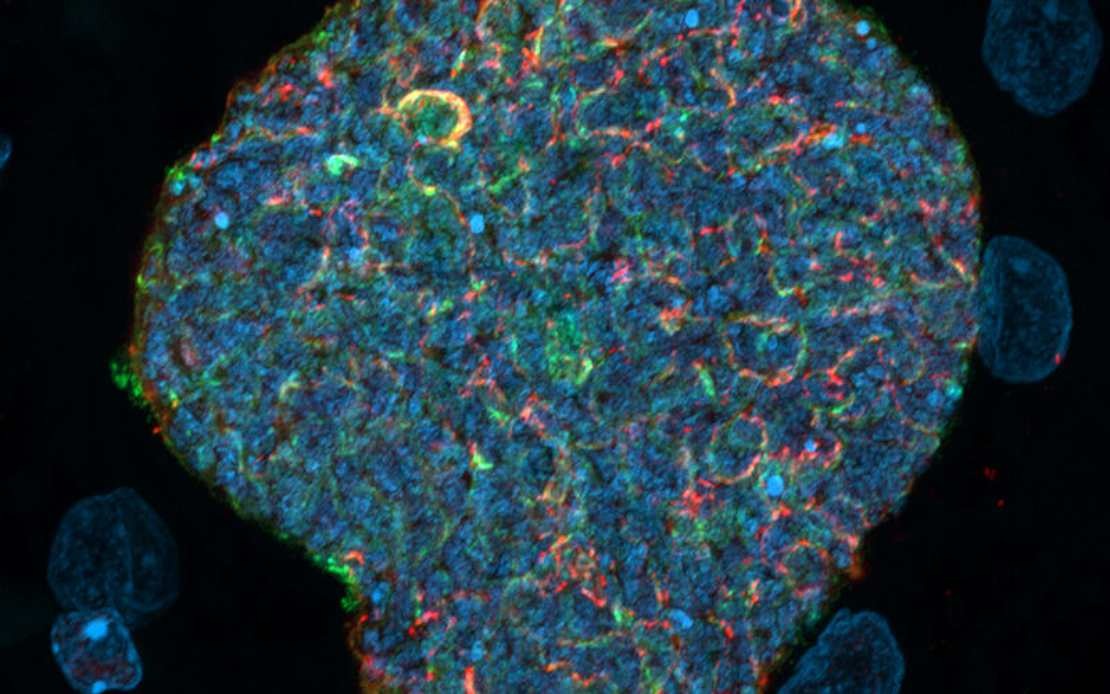
The investigational compounds function by intercepting malaria parasites at a precise developmental stage, trapping them in the liver before they can progress to the bloodstream where they would cause active disease. This timing is crucial to the strategy's effectiveness. By containing the parasites before they proliferate systemically, the drugs allow the immune system to mount a powerful and durable defensive response. The parasites become, in essence, controlled training exercises for the immune system rather than genuine threats to health.
Once this initial immunological priming is complete, subsequent mosquito bites become valuable boosting events. When an infected mosquito delivers parasites to an already-primed immune system, the body's defences respond robustly, eliminating the threat before disease develops. Importantly, this natural exposure strengthens and reinforces the immunological memory, maintaining and potentially enhancing protection over time. This creates what researchers describe as a "vaccinate and boost naturally" approach, where initial vaccination establishes protection and ongoing natural parasite exposure maintains it.
The implications for malaria-endemic regions are substantial. Traditional vaccination campaigns require coordinated efforts to reach populations, administer doses, and manage follow-up appointments. This new strategy potentially reduces reliance on continuous external intervention. In areas where malaria transmission is endemic and mosquito exposure inevitable, the very occurrence of bites becomes a reinforcement mechanism rather than an unmitigated public health threat. This could prove particularly valuable in rural and remote regions where vaccine campaign infrastructure is limited.
For Southeast Asia, where malaria remains an ongoing concern despite significant progress in recent decades, this approach offers particular promise. Countries including Malaysia, Thailand, Cambodia, and Laos still experience malaria transmission, particularly in forested regions and among specific populations. The ability to convert natural disease exposure into immunological benefit could enhance disease management strategies in these settings, potentially reducing the burden on health systems while simultaneously building population immunity.
The current phase of development involves creating a long-acting injectable formulation based on the antimalarial compounds. This formulation remains in preclinical development, meaning researchers are conducting laboratory and animal studies to establish safety and efficacy profiles before moving toward human trials. The injectable approach offers practical advantages for deployment in resource-limited settings, as it could potentially provide sustained protection through a single administration, reducing the need for frequent healthcare visits.
The global burden of malaria remains substantial, with the World Health Organisation estimating approximately 610,000 deaths worldwide in 2024. While significant progress has been made in malaria control through existing interventions including insecticide-treated nets, indoor residual spraying, and current antimalarial drugs, these mortality figures underscore the continued need for innovation. Novel approaches that enhance existing control measures could significantly accelerate progress toward malaria elimination.
This research exemplifies how vaccine development is evolving beyond traditional approaches. Rather than simply creating immunity artificially through immunisation alone, researchers increasingly seek to harness natural biological processes and turn them toward human benefit. The strategy of converting natural infection risk into immunological advantage represents sophisticated understanding of parasitology, immunology, and epidemiology working in concert.
The collaboration between WEHI and MSD demonstrates the importance of partnership between academic research institutions and pharmaceutical companies in advancing global health solutions. WEHI's fundamental research capabilities combined with MSD's drug development expertise created the conditions for this breakthrough. Similar collaborative models could accelerate solutions to other infectious diseases affecting developing regions, particularly in the Indo-Pacific area.
Regulatory pathways for this approach will require careful navigation. Health authorities will need assurance that the strategy is genuinely safe and that the controlled parasite exposure creates net benefit rather than risk. The transition from preclinical work to human trials will involve detailed safety and efficacy evaluations, likely beginning with controlled studies in populations with some malaria immunity before broader deployment.
If successful through clinical development and regulatory approval, this approach could fundamentally change malaria management paradigms. Rather than treating malaria as a disease to be entirely prevented through external interventions, this strategy acknowledges the endemic reality in many regions and converts that reality into a tool for building population immunity. For Southeast Asia and other malaria-endemic areas, such innovation could prove transformative in the ongoing effort to reduce disease burden and move toward elimination.

