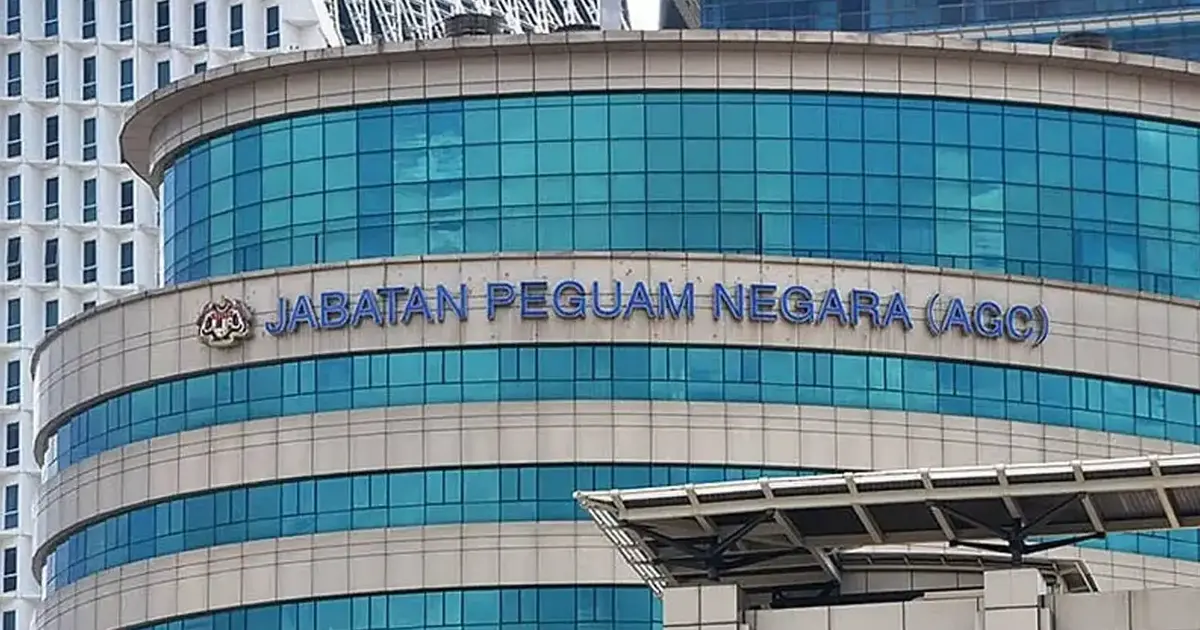
The protracted legal review of the Durian Tunggal investigation continues without resolution, more than a month after authorities submitted the case file for the fourth time to the Attorney-General's Chambers. The absence of decisive action has prompted Malaysia's Home Minister to make a public appeal for patience, underscoring the mounting pressure and public interest surrounding the matter. The resubmission mechanism itself—now repeated four times—reflects the complexity of the case and the rigorous standards the prosecution authority applies before committing to formal charges or declining the case altogether.
The Home Minister's intervention represents an attempt to manage expectations and dampen speculation about the direction of the investigation. Such public statements from senior government figures serve multiple purposes in Malaysia's political ecosystem: they reassure the public that the matter remains under active review, they signal to political rivals that the government is not abandoning accountability efforts, and they subtly encourage the public to trust institutional processes rather than demand immediate outcomes. The phrasing that all parties should "allow the legal process to take its course" is deliberate language designed to frame patience as both patriotic and necessary for justice.
The Durian Tunggal investigation has become emblematic of challenges within Malaysia's legal system regarding the pace and transparency of prosecutorial decision-making. When investigation papers are returned multiple times, questions inevitably arise about whether the grounds for prosecution are genuinely insufficient or whether other considerations—whether political, bureaucratic, or evidentiary—are influencing outcomes. The four submissions suggest that either investigators have been adding new evidence with each iteration, or the Attorney-General's Chambers has repeatedly identified gaps that require addressing. Each return of documents potentially extends the timeline by weeks or months.
For Malaysian observers accustomed to swift legal action in some cases and glacial delays in others, the pattern of resubmissions raises concerns about consistency in the justice system. The willingness to return papers multiple times could be interpreted as either scrupulous professionalism or institutional stalling, depending on one's perspective and political position. This ambiguity itself becomes a problem when public confidence in institutions depends partly on the perception that legal processes are both fair and reasonably expeditious.
The one-month interval since the fourth submission is significant because it demonstrates that even after investigators and the Attorney-General's Chambers have cycled through the case materials repeatedly, the pace of decision-making has not accelerated. If anything, each resubmission appears to reset the clock on review timelines. In other jurisdictions, such extended review periods would trigger formal procedural objections or statutory time limits, but Malaysia's legal framework permits the Attorney-General considerable discretion in managing the pace of prosecution decisions.
Senior political figures invoking public calls for restraint typically do so when they anticipate either further delays or controversial decisions ahead. The Home Minister's statement might presage either an imminent charging decision that could prove unpopular in certain quarters, or alternatively, a decline to prosecute that could be challenged as insufficient accountability. Either way, the public messaging suggests that a resolution may be approaching, though political messaging and legal reality do not always align in Malaysia.
The involvement of the Home Ministry in commentary about an Attorney-General's Chambers prosecution decision is itself noteworthy, as these entities occupy distinct positions in Malaysia's constitutional hierarchy. The Home Minister's intervention, while framed as encouraging respect for legal processes, also demonstrates the degree to which high-profile investigations intersect with political considerations. The separation of investigative, prosecutorial, and political functions remains a work in progress in Malaysia's institutional development.
Regional observers of Malaysia's legal system note that repeated resubmissions create opportunities for narrative drift and political interpretation. Each cycle through the review process provides new opportunities for stakeholders to interpret delays as evidence either of meticulous justice or institutional dysfunction. For Malaysia's international standing, protracted prosecutorial timelines on sensitive cases can complicate perceptions of judicial independence and institutional credibility, particularly among trading partners and investors who assess governance quality.
The Durian Tunggal case illustrates broader patterns in how Malaysia's justice system handles politically sensitive investigations. The repeated resubmission mechanism, combined with public pressure and political involvement, creates an environment where legal decisions carry heightened stakes and scrutiny. For the Attorney-General's Chambers, the challenge involves applying consistent prosecutorial standards while navigating an environment where any decision—whether to charge or to decline prosecution—will face significant political and public commentary.
Moving forward, stakeholders across Malaysia's political spectrum remain invested in how the Durian Tunggal matter concludes. The Home Minister's appeal for patience suggests that the Attorney-General's Chambers has not yet reached a final determination, despite four separate submissions of investigative materials. The coming weeks may prove decisive in resolving whether the case proceeds to formal prosecution, receives further investigation, or is ultimately declined. Until then, the legal process continues its methodical course, and public patience remains the commodity most urgently requested by officials overseeing the matter.

