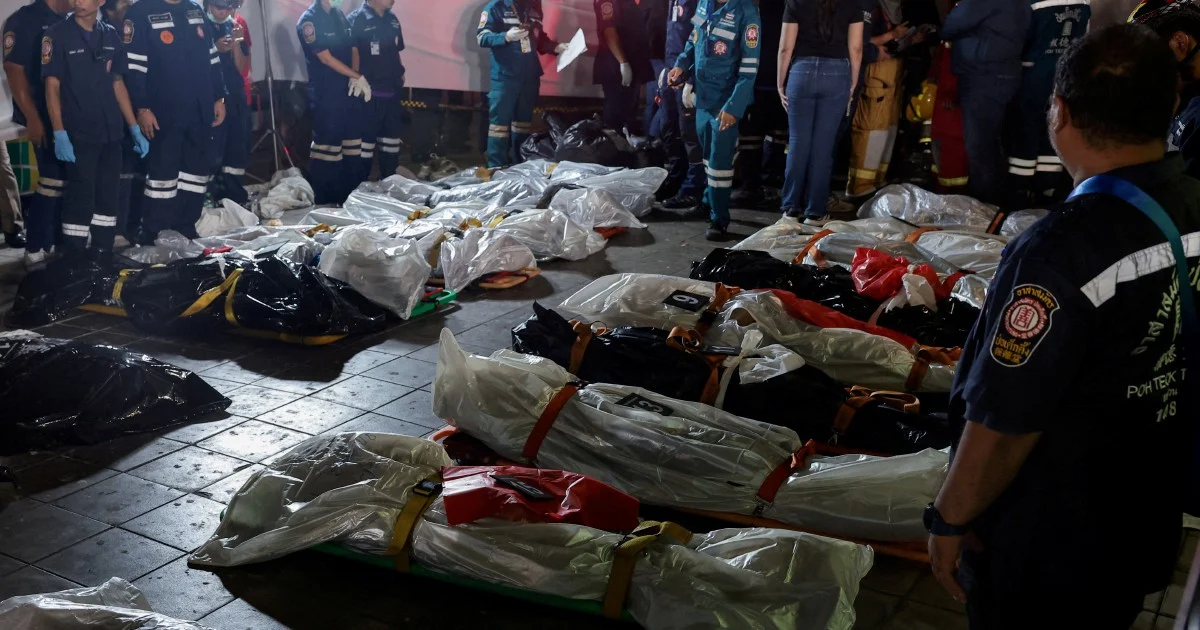
Thailand's capital has been shaken by a devastating fire that swept through a popular bar in Bangkok late on Sunday evening, leaving at least 27 people dead. Prime Minister Anutin Charnvirakul disclosed the fatality count to local media outlets, marking one of the most serious fire incidents to hit the Thai capital in recent years.
Fires in densely populated urban entertainment venues present particular challenges for rescue operations, as the combination of limited exits, crowded occupancy, and interior design featuring flammable materials creates a deadly environment when flames spread rapidly. The Bangkok incident highlights longstanding concerns about fire safety standards in Southeast Asia's entertainment sector, where establishments sometimes prioritise aesthetics and profit over compliance with building codes and emergency protocols.
The incident occurred during evening hours when bars typically operate at full capacity, meaning the venue was likely crowded with patrons when the fire broke out. This temporal factor significantly amplifies casualty numbers compared to incidents occurring during slower business periods. Emergency response teams faced the challenge of locating and evacuating occupants from what may have been a multi-level structure in the midst of heavy smoke and flames.
Thailand's fire services and rescue personnel responded to the emergency, though initial response times and resource allocation in Bangkok's congested infrastructure can affect how quickly crews reach affected areas. The sprawling metropolitan region sometimes experiences delays that can prove critical when minutes determine survival outcomes in burning structures. Regional observers will be monitoring whether this incident prompts authorities to reassess emergency preparedness in the capital.
Bangkok's entertainment district has experienced several fire-related incidents over the decades, including the deadly Santitham nightclub fire in 2009 and the Phuket nightclub fire in 1994. Each such tragedy has prompted temporary discussions about enhanced safety measures, though enforcement often lapses as memories fade and commercial pressures resurface. The frequency of these events across Southeast Asia suggests systemic vulnerabilities rather than isolated negligence.
Casuality figures from major fires can fluctuate during initial reporting as rescuers continue searching through rubble and smoke-damaged buildings. The confirmed death toll of at least 27 may increase as investigators complete their examination of the scene. Such figures underscore the human cost of inadequate safety infrastructure and the vulnerability of workers and customers in establishments where emergency exits may be blocked, locked, or improperly maintained.
For Malaysian readers, Bangkok's fire safety record carries particular relevance given Malaysia's own entertainment venues and comparable urban density in Kuala Lumpur and other major cities. The incident serves as a stark reminder that rigorous enforcement of fire codes, regular safety inspections, staff training on evacuation procedures, and unobstructed emergency exits remain essential rather than optional. Malaysian authorities responsible for venue licensing and safety compliance may wish to examine whether similar vulnerabilities exist in local establishments.
The fire's occurrence underscores broader Southeast Asian challenges around rapid urbanisation, informal economic activity, and the tension between business operations and public safety. As the region's entertainment sectors continue expanding to accommodate tourism and urban demographics, ensuring that growth occurs within robust safety frameworks remains critical. The human toll of preventable disasters extends beyond the immediate victims to families, communities, and the wider psychological impact on regional tourism and confidence in public safety.
International fire safety standards and best practices from developed nations offer guidance that developing economies can adapt to their contexts. Malaysia, as a more developed economy in the region, has an opportunity to model stronger enforcement and can assist neighbouring countries in capacity-building around fire prevention and emergency response. The Bangkok incident may serve as a catalyst for renewed regional focus on this persistent public safety challenge.
Authorities in Thailand will conduct formal investigations to determine the fire's origin and identify any negligence or code violations that contributed to the tragedy. These inquiries typically examine structural design, evacuation procedures, occupancy records, and maintenance of fire suppression systems. Such investigations generate recommendations for regulatory strengthening, though implementation remains dependent on political will and resource allocation.
The loss of life in Bangkok carries implications for Thai tourism and the wider Southeast Asian region's reputation for public safety. Travellers and investors assess risk when considering destinations, and major incidents can temporarily dampen visitor confidence and spending. Recovery from such events requires both addressing root causes and demonstrating genuine commitment to preventing recurrence.

