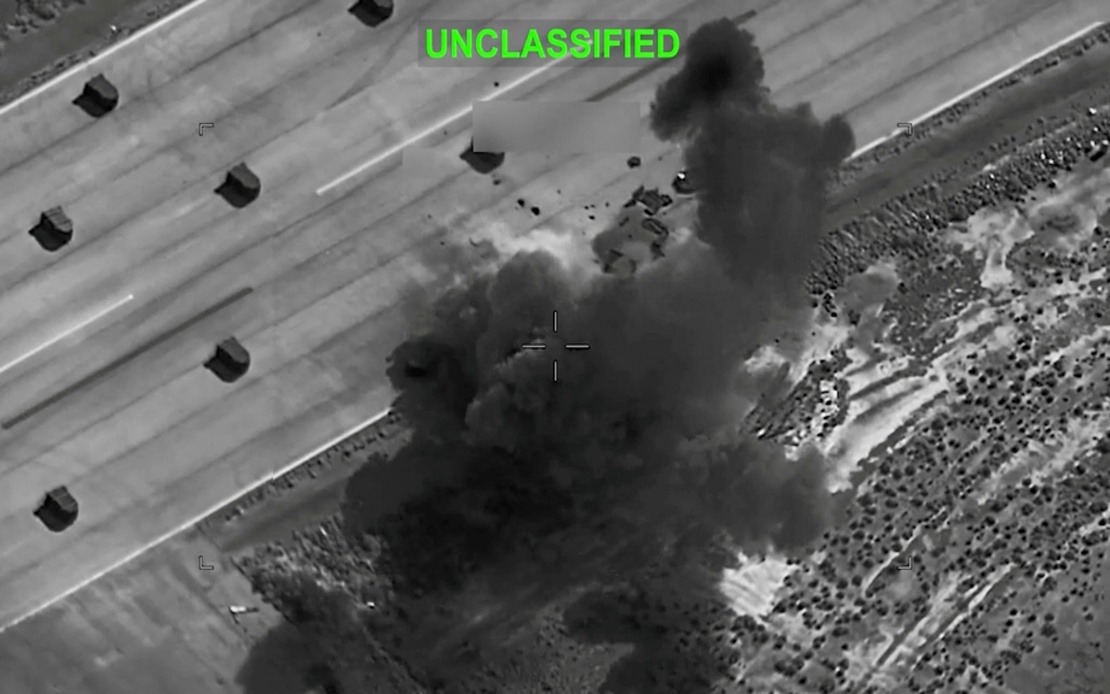
The Iranian Health Ministry reported heavy casualties on Thursday following what it described as unprovoked American military strikes against Iranian territory, marking a significant escalation during a period when both nations were meant to be observing a ceasefire agreement. According to ministry spokesman Hossein Kermanpour, the strikes killed at least 14 people and wounded 78 others, with the injured distributed across multiple healthcare facilities across the country.
Kermanpour disclosed the toll in a statement posted to the social media platform X, providing what appeared to be the first official casualty figures from the strikes. He indicated that the attacks had targeted five separate provinces within Iran on consecutive days—July 8 and 9, 2026—suggesting a coordinated military campaign rather than isolated incidents. The spokesman's characterisation of the dead as "martyrs" reflected Iran's official framing of the situation as an act of aggression against a sovereign nation.
The medical situation resulting from the strikes remains fluid, with Kermanpour noting that while 47 of the injured remain hospitalised, other wounded have already been discharged after receiving treatment. This distribution suggests a range of injury severities, from minor wounds requiring outpatient care to more serious conditions necessitating continued hospital observation. The capacity of Iranian health facilities to manage mass casualty incidents has come under scrutiny during periods of regional tension, making the hospitalisation of nearly half the wounded significant for assessing the strikes' impact.
The timing of these attacks during an ostensible ceasefire period carries substantial diplomatic weight. Ceasefires typically depend on mutual commitment to suspend hostilities, and their violation by either party can trigger rapid deterioration in negotiations and broader conflict escalation. Iran's decision to publicise these figures through official channels suggests an intent to document what it views as American breach of agreed terms, potentially for international consumption and as justification for any response.
For regional observers and Malaysian policymakers monitoring Middle Eastern developments, this incident underscores the fragility of conflict management mechanisms in the region. The escalation occurs amid broader US-Iran tensions that have affected global energy markets, international shipping, and regional stability more generally. Malaysia's significant energy imports and substantial trade relationships with both the broader Middle Eastern region and the United States mean that renewed hostilities could have tangible economic consequences.
The strike's targeting of multiple provinces indicates a breadth of military objectives or infrastructure targets that Iran claims the Americans sought to damage. Without independent verification, the precise nature of what was struck remains unclear, though Iran's government has consistently maintained that its military activities are defensive in nature. The five-province scope suggests the operation was not limited to a single military installation but represented a wider campaign.
International response to the strikes will likely shape subsequent diplomatic efforts. Regional partners and global powers will assess whether the US action constitutes justified military necessity under its security doctrine or represents an unjustified violation of established agreements. This assessment will influence whether parties are inclined to pursue further negotiations or whether the conflict enters a new phase of active hostilities.
For Southeast Asia, which maintains non-aligned positioning in global affairs while depending on stable international order for maritime commerce and energy security, Middle Eastern conflicts present complex challenges. Malaysia's interest in de-escalation reflects both humanitarian concerns and practical economic considerations tied to regional security and global market stability.
The incident also highlights how quickly military situations can deteriorate when communication breaks down or agreements lack robust verification mechanisms. The presence of a ceasefire that was apparently breached suggests that enforcement mechanisms either failed or were insufficient to deter the strikes. Going forward, any renewed negotiations will likely address these gaps, should parties commit to new agreements.

