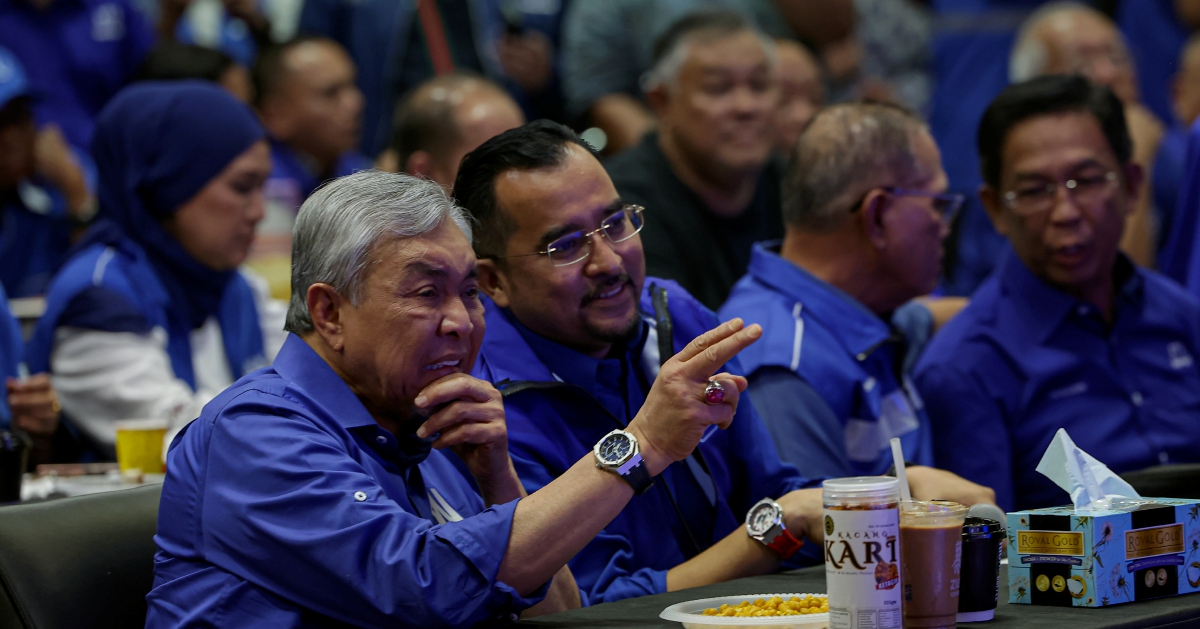
Umno's top administrator has issued a stark reminder to party members not to let electoral success breed the organisational hubris that has historically damaged the coalition's standing with voters. Speaking in the aftermath of Barisan Nasional's triumph in the Negri Sembilan state election, Datuk Dr Asyraf Wajdi Dusuki cautioned party faithful that recent victories at the ballot box must be accompanied by renewed discipline and strategic humility if the party intends to sustain its political momentum.
The warning carries particular weight given Umno's chequered recent history. The party has experienced sharp reversal in electoral fortunes when internal divisions have surfaced and when leadership has appeared disconnected from grassroots concerns. Asyraf's intervention suggests the party's highest echelons are acutely conscious that Malaysian voters have demonstrated a willingness to punish perceived arrogance and misconduct, particularly when alternative political options are available. The Negri Sembilan result, while positive for Barisan Nasional, therefore represents not an endpoint but rather a critical juncture requiring careful stewardship.
The message Asyraf delivered underscores a broader reality within contemporary Malaysian politics: electoral mandates are increasingly conditional and subject to revocation. Unlike previous decades when dominant coalitions could rely on quasi-permanent voter loyalty, today's electorate has proven remarkably receptive to performance-based assessments and willing to switch allegiances when government delivery fails to match promises. This volatility demands that winning coalitions remain perpetually attentive to public sentiment rather than assuming that victory guarantees future success.
For Umno specifically, the caution against repeating past mistakes alludes to several critical junctures. The party's handling of the 1Malaysia Development Berhad scandal and the subsequent legal proceedings involving former premier Najib Razak created deep reputational damage that took years to address. Similarly, periods of visible internal factionalisation have weakened public confidence in the party's capacity for unified governance. When members contest leadership positions with excessive rancour or when senior figures engage in public recriminations, voters observe dysfunction and respond accordingly at election time.
The broader context of Malaysian coalition politics has also shifted substantially. Barisan Nasional no longer enjoys the dominance it once commanded. Contemporary elections are genuinely competitive, with voters making deliberate choices rather than simply endorsing incumbents through habit. This fundamentally restructured political ecology means that governing coalitions must work harder to retain support and must be especially vigilant against the complacency that can arise from recent victories. The days of assuming support are definitively over.
Ashyraf's intervention also reflects awareness within Umno that the party's coalition partners and the Malaysian public are watching closely. Barisan Nasional's composition has evolved, and partner parties now possess greater latitude to withdraw cooperation or pursue independent strategies if they believe Umno's conduct is damaging the broader coalition's interests or brand. Maintaining cohesion therefore requires Umno to model the discipline and respect for constituents that it expects from allies and demands from grassroots membership.
The emphasis on humility further suggests that Umno's leadership recognises the particular vulnerabilities the party faces. As the historically dominant force in Malaysian politics, Umno carries greater responsibility for how electoral victories are interpreted and whether they translate into effective governance. If the party's representatives use electoral success as a springboard for self-aggrandisement, inconsiderate decision-making, or moves that appear to prioritise factional advantage over public welfare, the political cost is likely to be substantial. Voters have demonstrated they will punish such behaviour through the ballot box.
For Southeast Asian observers, Umno's current strategic positioning is noteworthy. The party is simultaneously defending its historical dominance while adapting to a more competitive and volatile electoral environment. Unlike some regional authoritarian parties, Umno operates within genuine democratic constraints and must therefore adjust its behaviour based on voter feedback. Asyraf's warning reflects this reality and suggests the party is attempting to calibrate its approach accordingly.
The timing of Asyraf's message also merits consideration. Issued immediately after electoral success when enthusiasm might naturally translate into overconfidence, the statement demonstrates institutional memory within Umno about the consequences of hubris. Senior party figures evidently believe that timely interventions emphasising restraint and institutional discipline can inoculate the party against the excesses that have previously damaged its electoral position. Whether such warnings prove effective in governing actual member behaviour remains an open question, but the fact that such warnings are considered necessary speaks to the party's understanding of its own vulnerabilities.
Moving forward, the challenge for Umno and Barisan Nasional will be translating Asyraf's exhortations into sustained governance and administrative performance that justifies the confidence voters expressed in Negri Sembilan. Electoral victories without corresponding improvements in public service delivery or policy outcomes quickly lose their political meaning. The mandate the coalition received must therefore be understood not as validation of past performance but as opportunity and responsibility to demonstrate competence and responsiveness in future governance.

