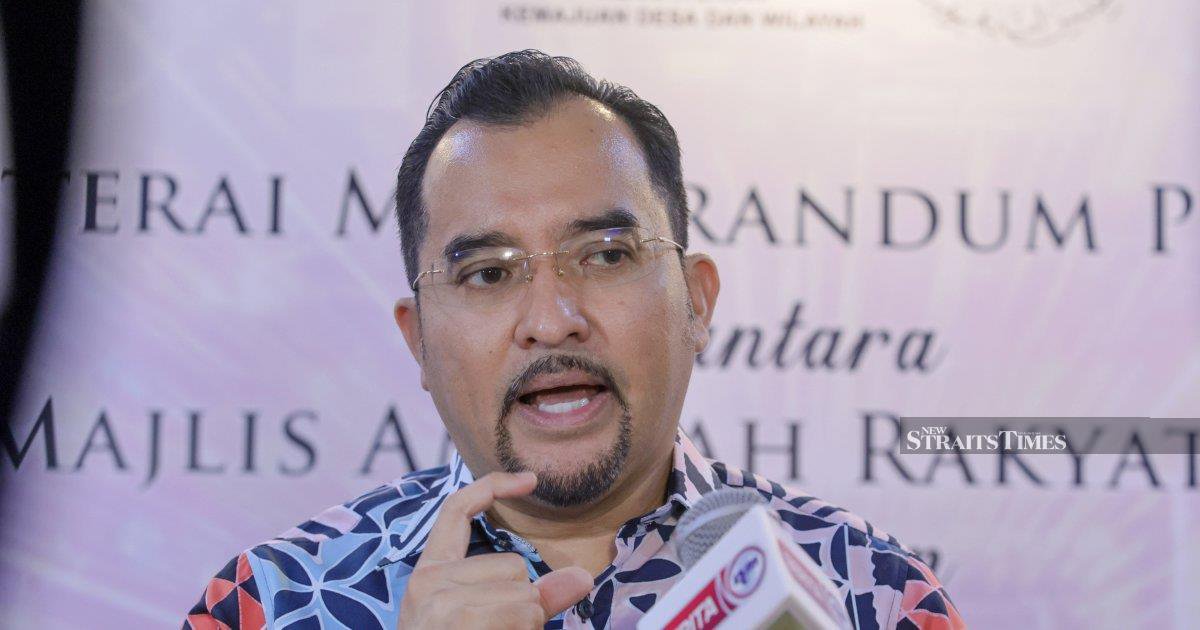
Umno secretary-general Datuk Dr Asyraf Wajdi Dusuki has firmly rejected suggestions that he played any role in Tabung Haji transactions, particularly those linked to the Al-Rawda property deal, during his previous position as deputy minister in the Prime Minister's Department. His statement represents a significant pushback against growing scrutiny of the pilgrim fund's controversial property acquisitions and the political figures who may have influenced them.
The denial arrives amid renewed attention on Tabung Haji's substantial real estate portfolio and the decisions that shaped its composition over recent years. The fund, which holds the savings of millions of Malaysian Muslims preparing for the hajj pilgrimage, has faced persistent questions about governance, investment strategy, and the appropriateness of certain high-value transactions. The Al-Rawda case has drawn particular interest given its scale and the circumstances surrounding the acquisition.
Ashraf's clarification underscores the challenge faced by political figures with connections to statutory bodies or funds under government oversight. Questions about decision-making authority become especially sensitive when investments subsequently require restructuring or generate public concern. By explicitly stating he wielded no operational authority over Tabung Haji matters, Asyraf seeks to insulate himself from any future accountability discussions regarding the fund's portfolio management during the relevant period.
Tabung Haji's property investments have long been a subject of debate within financial and governance circles in Malaysia. The fund manages assets approaching RM80 billion, with a significant proportion deployed in real estate across the country and internationally. Property acquisition decisions at this scale inevitably intersect with political influence networks, though establishing direct culpability typically requires documentary evidence of instruction or directive from specific individuals. Asyraf's position that he lacked formal authority places the burden of proof squarely on those alleging his involvement.
The timing of Asyraf's statement may reflect heightened political sensitivity around Tabung Haji matters following public discourse on the fund's recent financial performance and investment outcomes. The hajj fund has faced mounting pressure to justify certain strategic decisions, particularly those involving premium property acquisitions that may not have yielded anticipated returns. When such scrutiny intensifies, figures once close to relevant decision-making processes often feel compelled to establish clear separation between their official roles and actual influence.
Historically, Tabung Haji has operated within a governance framework that involves oversight from the board of directors, management, and various government-appointed officials. The deputy minister's role in the Prime Minister's Department, while overseeing certain religious affairs functions, does not typically grant direct operational control over the fund's investment decisions. However, informal influence through advice or recommendation cannot always be easily distinguished or documented, which makes categorical denials simultaneously important and difficult to definitively verify.
The Al-Rawda property transaction itself merits examination within the broader context of Tabung Haji's overseas real estate strategy. Large property acquisitions in foreign markets involve multiple layers of due diligence, valuation, and approval processes. Questions about such deals generally focus on whether acquisitions aligned with the fund's core mission of facilitating hajj pilgrimages and generating returns for contributors. If the transaction subsequently underperformed or became controversial, attempts to trace decision-making authority become inevitable.
For Malaysian political observers, Asyraf's statement reflects broader patterns in how individuals respond to governance scrutiny. Senior political figures routinely clarify that they did not possess direct operational authority over disputed transactions, positioning themselves as external to core decision-making chains. This approach protects against accusations of mismanagement while acknowledging that perceptions of influence may exist. Whether the strategy satisfies public concern depends heavily on available documentation and the nature of subsequent investigation.
The implications extend beyond Asyraf personally to encompass questions about Tabung Haji's governance structure and the mechanisms through which major investment decisions are made and approved. Strengthening institutional processes and enhancing transparency around large transactions would reduce ambiguity about who influenced particular outcomes. Currently, the distinction between formal authority and actual influence remains a persistent grey area in Malaysian public administration, particularly regarding funds with substantial assets and high public interest.
Stakeholders including hajj pilgrims, contributors monitoring their savings, and government regulators will likely maintain focus on Tabung Haji's investment practices regardless of individual political figures' involvement claims. The fund's performance and governance standards matter far more than identifying specific persons responsible for particular past decisions. Nevertheless, establishing factual clarity about decision-making processes strengthens institutional credibility and protects the fund's reputation during periods of public questioning. Asyraf's denial, while placing boundaries around his personal accountability, does not resolve underlying questions about the transaction's strategic appropriateness or governance propriety.

