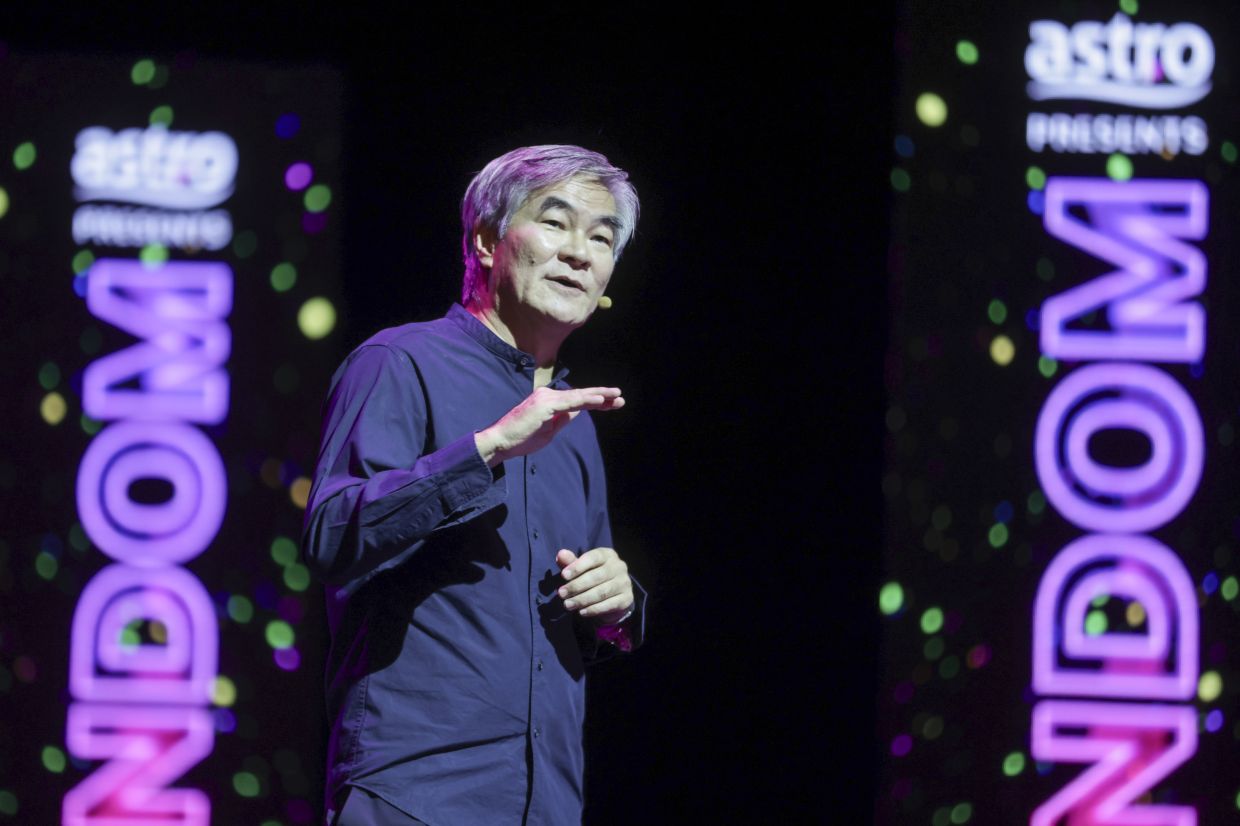
Astro is making a strategic push into the competitive streaming market with the introduction of Astro X3, a new service designed to democratise access to Malaysian entertainment by eliminating traditional installation barriers. The announcement, made by Astro Group chief executive officer Henry Tan at a press conference on July 7, marks a significant shift in the company's distribution strategy as it moves away from its legacy set-top box model to embrace the growing consumer preference for streaming-first consumption. This transition reflects broader industry trends across Southeast Asia, where cord-cutting and on-demand viewing have fundamentally altered how audiences engage with television content.
The Astro X3 platform launches on July 20 with an accessible entry point of RM39.99 per month for 12-month contract commitments. The service operates as a purely internet-based offering, requiring only a stable connection and compatible device—including smart TVs, smartphones, and dedicated streaming hardware—to function immediately upon subscription. This streamlined approach eliminates the friction of professional installation appointments that have historically deterred younger and more mobile consumers, particularly important in Malaysia's increasingly digital urban centres. The flexibility of the offering extends to package customisation, with subscribers able to select combinations of live television channels, on-demand libraries, sports programming, and premium entertainment based on their viewing preferences.
Responding to consumer demands for commitment-free access, Astro plans to introduce a no-contract subscription option in December, significantly expanding the service's appeal to trial users and those hesitant about long-term financial commitments. This two-tier pricing strategy mirrors successful international models adopted by Netflix, Disney+, and regional competitors, allowing Astro to capture both loyalty-focused subscribers and price-sensitive or experimentally-minded viewers. For Malaysian consumers already managing multiple streaming subscriptions, the flexibility should prove attractive, particularly as disposable income pressures intensify in the region.
Beyond the technical platform rollout, Astro has strategically paired the service launch with an ambitious slate of original programming designed to provide distinctive local content unavailable on competing platforms. This vertical integration approach—controlling both distribution and content creation—allows Astro to differentiate itself in an increasingly crowded marketplace where international giants like Netflix and Amazon Prime have already established strong footholds across Southeast Asia. The company recognises that sustainable streaming services require proprietary content that cannot be easily replicated by competitors, justifying significant investment in original productions.
Among the highlighted dramatic productions is a series centred on the life of Malaysian motorsport legend Karamjit Singh, portrayed by local actor Irfan Zaini. The biographical work carries particular cultural significance as it introduces a transformative figure in Malaysian sporting history to younger demographics who may lack familiarity with the national rally icon's achievements and legacy. Zaini articulated this responsibility during the press conference, emphasising the project's role in bridging generational knowledge gaps and ensuring contemporary audiences, particularly Gen Z consumers, understand the historical context of Malaysian sporting excellence. His approach underscores how streaming platforms can function as cultural custodians, preserving and revitalising narratives that might otherwise fade from public consciousness as media consumption fragments across multiple channels.
The actor acknowledged that portraying an actual living figure introduced complexities absent from fictional character work. Traditional dramatic preparation involves extensive collaborative discussion between performer and director regarding character psychology, behaviour patterns, and interpretive choices. With a biographical subject, particularly a revered national figure, the parameters tighten considerably—Zaini must balance authenticity with the expectations audiences hold toward someone they may personally remember or admire. This constraint, while challenging, evidently motivated his commitment to honouring the subject matter appropriately.
Another original drama ventures into romantic comedy territory, following an ensemble cast of passionate Arsenal Football Club supporters whose collective fandom catalyses unexpected romantic entanglements. The series was filmed entirely in the United Kingdom, featuring guest appearances from prominent Premier League figures, positioning it to resonate powerfully with Malaysia's substantial football enthusiast demographic. Football remains a deeply embedded cultural passion across Malaysia, with English Premier League following second only to domestic football in popular engagement, making this thematic choice strategically sound for audience development.
The production encountered unexpected creative adjustments during development, as actor Kamal recounted with humour at the announcement event. He initially accepted the role under the impression that filming would occur at Old Trafford, the Manchester United stadium, only to discover during script review that the location had shifted to Emirates Stadium, the Arsenal home ground. While the actor joked about this bait-and-switch regarding his beloved Manchester United, he emphasised that the ultimate United Kingdom filming experience proved invaluable, granting him access to Premier League players and complimentary match attendance—benefits that enhanced both his performance authenticity and personal enjoyment.
Debutant actress Intan approached the project with fresh enthusiasm, contrasting her previous work with Astro on alternate content formats. Her transition into dramatic acting via this international co-production represents the type of talent development opportunity that streaming platforms can facilitate, particularly when paired with overseas production resources and established entertainment infrastructure. The shift from her previous genre work to dramatic performance signals creative growth and demonstrates how original programming initiatives can expand opportunities for Malaysian performers across diverse formats and international collaborations.
The content strategy reveals Astro's sophisticated understanding of Malaysian audience demographics and viewing preferences. By combining biographical drama honouring national heritage, sports-adjacent romantic comedy targeting football enthusiasts, and live entertainment programming, the company addresses multiple audience segments simultaneously. This portfolio approach maximises the platform's value proposition—subscribers gain access to content reflecting their particular interests while also being exposed to programming outside their typical consumption patterns, potentially broadening engagement and retention.
For Malaysian consumers, Astro X3 represents a meaningful domestic alternative within an increasingly globalised streaming ecosystem. While international platforms dominate globally, local streaming services can leverage understanding of regional culture, language nuance, and audience preferences that multinational operators struggle to replicate authentically. Astro's investment in Malaysian talent, story traditions, and sporting narratives positions it to build subscriber loyalty through cultural resonance that transcends purely technical or pricing considerations.
The competitive landscape has shifted dramatically since Astro's establishment as a cable television provider. Today's streaming environment encompasses Netflix, Disney+, Amazon Prime Video, and emerging regional players, each competing aggressively for subscriber attention and advertising revenue. Astro's entry into the mass-market streaming segment with aggressive pricing and local content differentiation suggests the company recognises that legacy television distribution models face inevitable decline, necessitating preemptive transformation. The July launch timeline places Astro X3 squarely in peak Asian entertainment consumption season, potentially maximising early subscriber acquisition and word-of-mouth momentum heading into year-end holiday periods when streaming subscriptions surge across the region.

