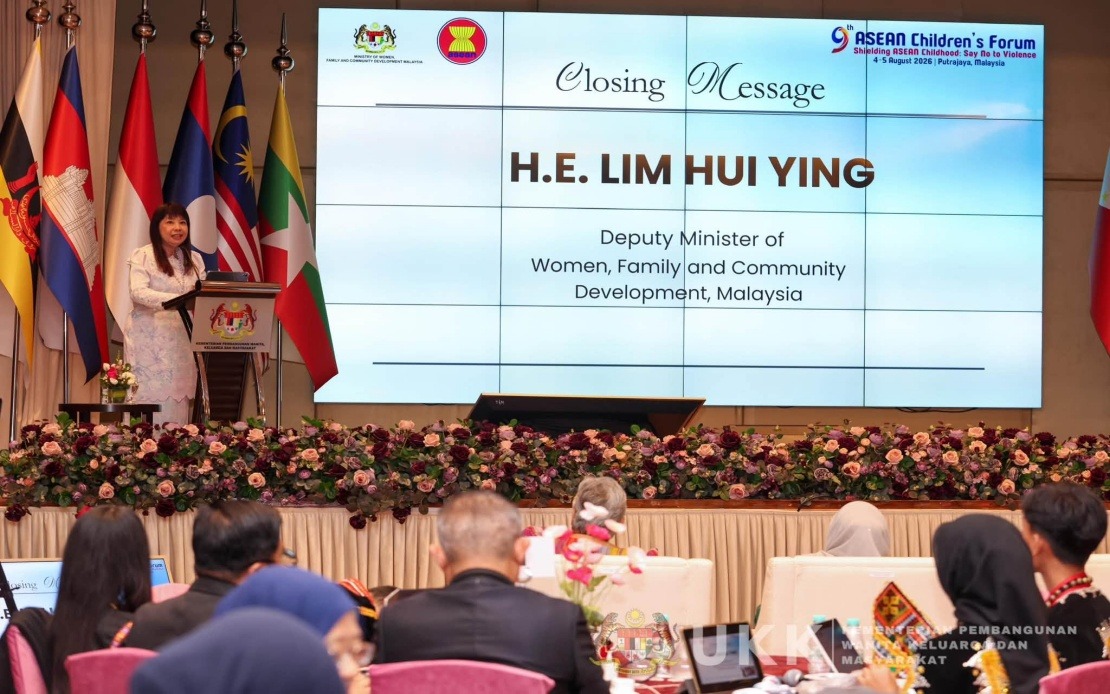
Participants at the 9th ASEAN Children's Forum in Putrajaya have delivered a collective call for governments across the region to bolster their legal frameworks protecting children from harm. The hybrid gathering, which concluded on August 6, produced a comprehensive set of recommendations targeting violence prevention in multiple environments where young people live and interact. These proposals now face scrutiny from policymakers tasked with translating aspirations into actionable reform.
Deputy Women, Family and Community Development Minister Lim Hui Ying framed the forum's output as a direct reflection of children's lived realities rather than abstract policy discussion. She underscored that the voices emerging from Putrajaya warranted serious consideration at both national governments and regional institutional levels. The minister's emphasis on implementation signals Malaysia's intent to champion these recommendations beyond mere acknowledgment, positioning them as blueprints for concrete legislative and programmatic change.
The forum's scope encompassed the full spectrum of violence affecting children—physical brutality, emotional abuse, psychological trauma, and sexual exploitation. By addressing these varied forms of harm, participants demonstrated sophisticated understanding that child safety demands multi-dimensional responses. The breadth of this approach reflects growing recognition that protection cannot focus narrowly on single issues but must account for interconnected vulnerabilities children face across different life domains.
Among the most significant recommendations was the call to strengthen child protection laws themselves. Many ASEAN nations operate legislation drafted decades ago, before digital platforms became central to child exploitation and cyberbullying. Updating statutes to reflect contemporary threats—including online grooming, deepfake abuse, and social media harassment—has become essential. Malaysia's own legislative landscape would benefit from examination against these standards, particularly regarding digital-age offences that existing law may inadequately address.
The forum specifically highlighted the need for expanded child-friendly reporting channels, a practical recommendation addressing a critical implementation gap. Children often fear official reporting mechanisms, viewing them as intimidating or unresponsive. Creating alternative pathways—through schools, community organizations, or digital platforms designed specifically for young people—could dramatically increase disclosure rates. This recommendation carries particular weight for Malaysia, where cultural norms sometimes discourage children from reporting abuse to authorities, making accessible intermediaries essential.
Enforcement of anti-bullying policies emerged as another key priority, reflecting the normalized nature of peer violence in many ASEAN schools. While several member states have introduced anti-bullying legislation, compliance remains patchy. School administrators sometimes downplay incidents, protect perpetrators, or fail to support victims adequately. The forum's emphasis on genuine enforcement rather than mere policy existence demands institutional accountability mechanisms that track implementation and outcomes.
Broadening psychosocial support received significant attention from participants, acknowledging that protection extends beyond prevention to recovery. Children who have experienced violence require trauma-informed counselling, often in culturally appropriate formats. ASEAN nations show considerable variation in mental health service availability, with many rural and marginalized communities lacking adequate support infrastructure. Regional coordination could help countries share best practices and resource-efficient models for delivering psychological assistance at scale.
The recommendation for inclusive services targeting vulnerable children—including those in poverty, child labourers, refugees, and children with disabilities—reflects understanding that protection must address power imbalances and systemic marginalization. These populations face heightened exploitation risks precisely because they occupy positions of social and economic disadvantage. Without deliberately inclusive approaches, general child protection measures risk leaving the most vulnerable behind, perpetuating cycles of abuse.
Recognition of multiple stakeholders' roles proved equally significant. The forum explicitly identified parents, educators, private sector actors, civil society organizations, media outlets, and peer networks as co-creators of child safety. This ecosystem approach moves beyond placing responsibility solely on governments, instead building shared accountability across society. For Malaysia's pluralistic society, leveraging diverse institutional and community strengths represents a pragmatic strategy for advancing protection across different population groups and geographical areas.
The participants' pledge to support one another and foster mutual care adds a grassroots dimension that distinguishes this forum's output from typical top-down policy documents. When children themselves commit to cultural change—promoting respect and care among peers—they become agents of protection rather than passive recipients of adult-designed interventions. This empowerment element carries particular significance for youth engagement in regional governance, demonstrating that meaningful child participation yields commitments extending beyond the forum itself.
For Malaysian policymakers and regional organizations, translating these recommendations into binding commitments presents both opportunity and challenge. The recommendations are sufficiently detailed to guide legislative drafting and program design, yet flexible enough to accommodate national contexts and existing institutional frameworks. Success will depend on sustained political will, adequate resource allocation, and mechanisms for monitoring whether proposals become operational reality. The forum has provided the blueprint; implementation now requires determined follow-through from governments willing to prioritize child safety as a non-negotiable regional commitment.

