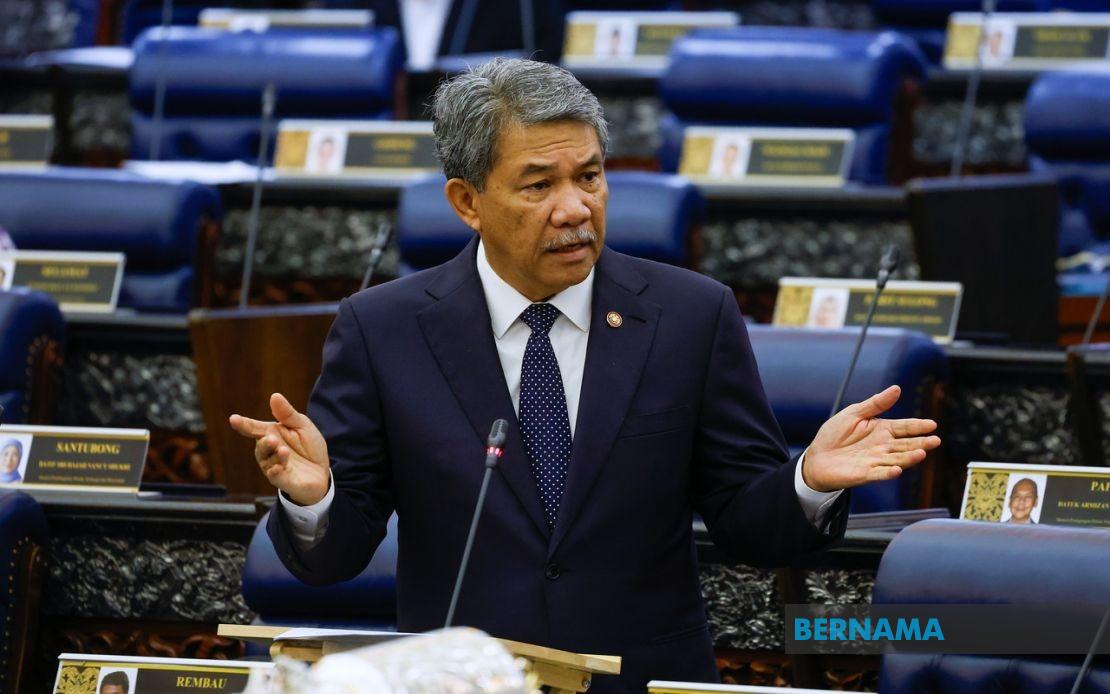
ASEAN is pursuing fresh approaches to bolster the implementation of the Five-Point Consensus (5PC) in Myanmar, according to Foreign Minister Datuk Seri Mohamad Hasan. Speaking in the Dewan Rakyat on June 25, he acknowledged that while Myanmar has shown modest improvement, the country remains significantly short of the progress benchmarks established by ASEAN leaders when they adopted the 5PC framework for peace efforts.
The consensus document, hammered out at the 48th ASEAN Summit in Cebu, Philippines on May 8, mandated that ASEAN's foreign ministers undertake informal consultations with Myanmar's leadership to evaluate the current situation and chart a pathway forward. This represents a recognition within the regional bloc that the previous approach requires recalibration, even as the core framework itself remains valid. Mohamad stressed that any fundamental modifications to the 5PC require approval from ASEAN heads of state, underscoring the need for consensus at the highest political levels before substantive changes can be implemented across the 10-member organisation.
Malaysia has emerged as a particularly proactive voice within ASEAN on the Myanmar question, advancing several concrete proposals. Among these is an initiative to extend Myanmar's existing six-month ceasefire, which was set to expire at the end of July, into a longer-term arrangement that could serve as the foundation for more expansive peace negotiations. This extension would theoretically provide breathing room for all stakeholders to engage in the comprehensive dialogue that has proven elusive since the military coup in February 2021. Malaysia has additionally pressured Myanmar's junta to produce a detailed roadmap outlining how the peace process would proceed, including mechanisms for bringing diverse parties to the negotiating table.
The rationale behind ASEAN's renewed diplomatic engagement reflects deep concerns about regional stability and external interference. Mohamad articulated a strategic anxiety that has animated Malaysian thinking on this file: allowing Myanmar to become further isolated and marginalised could create a dangerous vacuum that external powers with competing interests might exploit. Such interference would compound Myanmar's internal challenges and potentially drag other Southeast Asian nations into a broader geopolitical contest. This concern is particularly acute for Malaysia, which shares a border with Myanmar and has absorbed refugee populations fleeing the conflict.
The Five-Point Consensus, despite its limited tangible results thus far, represents ASEAN's most comprehensive collective response to the Myanmar crisis. The framework calls for cessation of violence, dialogue among all parties, humanitarian assistance, mediation by an ASEAN special envoy, and visits to Myanmar by the envoy with consent from the junta. Yet nearly three years after its adoption, implementation remains patchy. The junta has resisted pressure for genuine national dialogue, ethnic armed organisations remain sceptical of ASEAN mediation efforts, and the humanitarian situation has deteriorated markedly. This gap between the framework's ambition and ground reality has prompted ASEAN leaders to contemplate modifications that might improve its practical efficacy.
Malaysia's commitment to engage across all factions underscores the diplomatic complexity of the Myanmar situation. By maintaining dialogue channels with the Myanmar government, the National Unity Government (a shadow administration formed by ousted politicians and activists), the People's Defence Force (which emerged as the primary armed resistance), and the numerous ethnic armed organisations operating along Myanmar's borders, Malaysia positions itself as a neutral interlocutor. This multi-sided engagement carries reputational risks but is deemed necessary for ASEAN to maintain credibility as a mediation platform that doesn't take sides while still promoting genuine resolution.
The emphasis on inclusive dialogue reflects lessons learned from earlier ASEAN interventions in regional conflicts. Effective peace processes typically require buy-in from not only governments but also armed groups, civil society representatives, and affected populations. Myanmar's complex landscape, where ethnic autonomy movements have operated for decades and new civil resistance organisations have emerged since 2021, makes this inclusivity essential but administratively challenging. The informal engagements mandated by the Cebu summit represent an attempt to lower the diplomatic temperature and create space for candid conversations about what might actually move the needle toward genuine de-escalation.
The ceasefire extension proposal carries particular significance because Myanmar's conflict landscape has become increasingly fragmented. The initial six-month ceasefire, announced by the junta in April 2023, was widely viewed as insufficient by civil society groups and resistance forces, yet even securing that temporary pause required intensive negotiation. Extending this arrangement, as Malaysia has proposed, would at minimum prevent an escalation while dialogue continues, though critics argue it merely freezes the conflict without addressing underlying political grievances. The junta's willingness to consider extension proposals will provide a crucial indicator of whether Myanmar's leadership genuinely wishes to pursue reconciliation or is simply buying time.
For Malaysia and other ASEAN members, the stakes of the Myanmar question extend beyond humanitarian concerns or regional stability in the narrow sense. How ASEAN responds to protracted internal conflicts affects the bloc's credibility internationally and its utility as a diplomatic institution. If ASEAN cannot facilitate a settlement even after sustained engagement, its non-interference principle and consensus-based decision-making may be viewed as liabilities rather than strengths. Conversely, if ASEAN can successfully broker a durable peace in Myanmar, it would demonstrate the regional organisation's continued relevance in addressing transnational challenges that individual member states cannot solve alone.
Moving forward, the success of ASEAN's revised approach will depend partly on Myanmar's own political calculations. The junta faces mounting pressure from multiple directions: persistent armed resistance that has expanded geographically, a collapsing economy, international isolation, and domestic exhaustion with protracted conflict. Whether these pressures prove sufficient to convince military leaders that negotiated settlement serves their interests better than continued confrontation remains the central open question. Malaysia's diplomatic initiatives and ASEAN's collective positioning can create conditions favourable for compromise, but ultimately Myanmar's stakeholders must decide whether they prefer peace to perpetual conflict.

