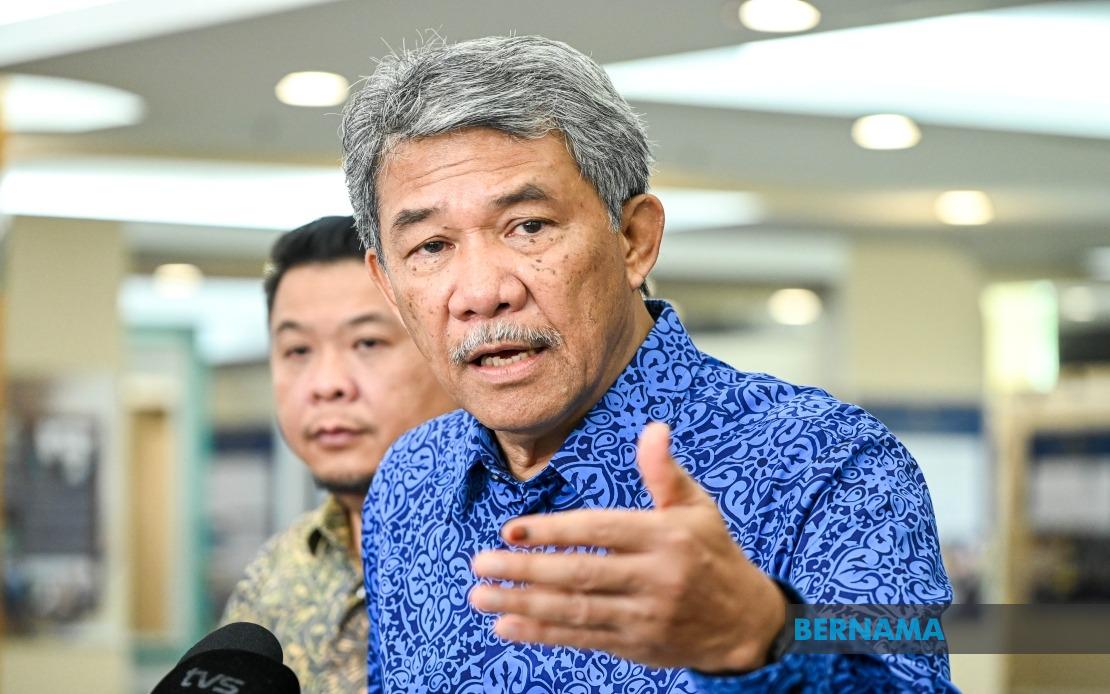
The ASEAN regional bloc faces a critical juncture in realising its economic ambitions, with Foreign Minister Datuk Seri Mohamad Hasan emphasising that member states must substantially boost trade among themselves to reach the coveted position of world's fourth-largest economy within the next six years. Speaking during the 59th ASEAN Day celebration in Putrajaya, Mohamad highlighted that intra-ASEAN commerce currently represents less than 25 per cent of the region's total trade, leaving significant untapped potential for growth and integration.
The trajectory toward becoming a global economic powerhouse represents a fundamental shift in how ASEAN views itself and operates. Rather than limiting itself to traditional security and political dialogue, the association is increasingly oriented toward economic cooperation and market integration. This strategic reorientation reflects recognition that sustained prosperity and regional stability depend on deepened commercial ties and mutual economic prosperity among member nations.
Current trade patterns underscore the challenge facing ASEAN policymakers. The fact that intra-regional commerce accounts for less than a quarter of total trading activity suggests that member states continue to rely heavily on external markets, particularly China, the United States, and the European Union. This dependency structure creates vulnerability to external economic shocks and limits the leverage individual ASEAN countries might exercise collectively. Reversing this trend requires deliberate policy choices and sustained commitment across all ten member states.
To address this structural weakness, ASEAN has established multiple institutional mechanisms designed to facilitate the free movement of goods across borders. These frameworks represent decades of negotiation and consensus-building, reflecting the association's commitment to removing tariff and non-tariff barriers that historically fragmented regional markets. By leveraging these existing arrangements more effectively, member states can unlock economies of scale and create more efficient regional supply chains that benefit producers and consumers alike.
Malaysia's recent tenure as ASEAN chair proved pivotal in advancing this agenda, with the country championing various initiatives and resolutions that established the foundation for continued economic cooperation. The Kuala Lumpur Declaration and associated agreements adopted during Malaysia's leadership set ambitious targets and provided frameworks for subsequent chairs to build upon. These contributions reflect Malaysia's strategic interest in a more integrated region where Malaysian businesses can access larger, more competitive markets.
The Philippines, assuming the ASEAN chairmanship for the current year, has demonstrated commitment to advancing Malaysia's economic proposals. This continuity between successive chairs signals that intra-regional trade enhancement has become a priority issue transcending individual country leadership, suggesting broad consensus on the necessity for deeper integration. The challenge now lies in translating these high-level political commitments into concrete tariff reductions, regulatory harmonisation, and infrastructure investments.
Malaysia's new role as Permanent Shepherd or Permanent Auditor of the ASEAN Community 2045 vision positions the country as a custodian of the association's long-term economic objectives. This responsibility underscores Malaysia's stake in ensuring that the foundation of regional prosperity—robust intra-ASEAN trade—continues to strengthen. By holding this position, Malaysia can monitor progress, identify obstacles to integration, and advocate for measures that advance the collective economic agenda.
The implications for Malaysian enterprises are substantial. Deeper regional integration creates opportunities for Malaysian manufacturers, service providers, and entrepreneurs to expand into neighbouring markets with reduced barriers and lower transaction costs. This expansion potential becomes particularly significant as external markets face increasing protectionism and deglobalisation pressures. A more integrated ASEAN market could provide Malaysian businesses with the market size and growth dynamics comparable to what larger economies enjoy.
For Southeast Asia more broadly, achieving fourth-largest economy status would fundamentally alter regional and global economic dynamics. Such a bloc would command greater negotiating power in international trade negotiations, potentially shaping global standards and supply chain configurations. The geopolitical implications extend beyond commerce—a prosperous, integrated ASEAN would demonstrate the viability of voluntary regional cooperation and could serve as a model for other developing regions.
However, realising this vision requires overcoming persistent challenges. Infrastructure gaps, regulatory differences, and varying levels of economic development across member states continue to impede seamless trade. Additionally, countries with less developed manufacturing sectors may perceive further liberalisation as threatening to domestic industries. Balancing the desire for rapid integration with legitimate concerns about uneven benefits distribution remains politically delicate.
The 25 per cent figure, while concerning from an integration standpoint, also suggests enormous upside potential. If intra-ASEAN trade could reach even 35 per cent of total regional commerce—still conservative compared to more integrated blocs—the expansion would generate substantial additional economic activity. Such growth would require coordinated investment in transport corridors, digital infrastructure, and customs modernisation across the region.
Moving forward, the success of ASEAN's economic ambitions depends on translating institutional frameworks into tangible reductions in trade costs and barriers. This requires not just diplomatic negotiation but also technical cooperation on standards harmonisation, mutual recognition of professional qualifications, and elimination of behind-the-border obstacles. Malaysia, through its oversight role, could catalyse this practical work by facilitating peer learning and encouraging best-practice adoption across member states.

