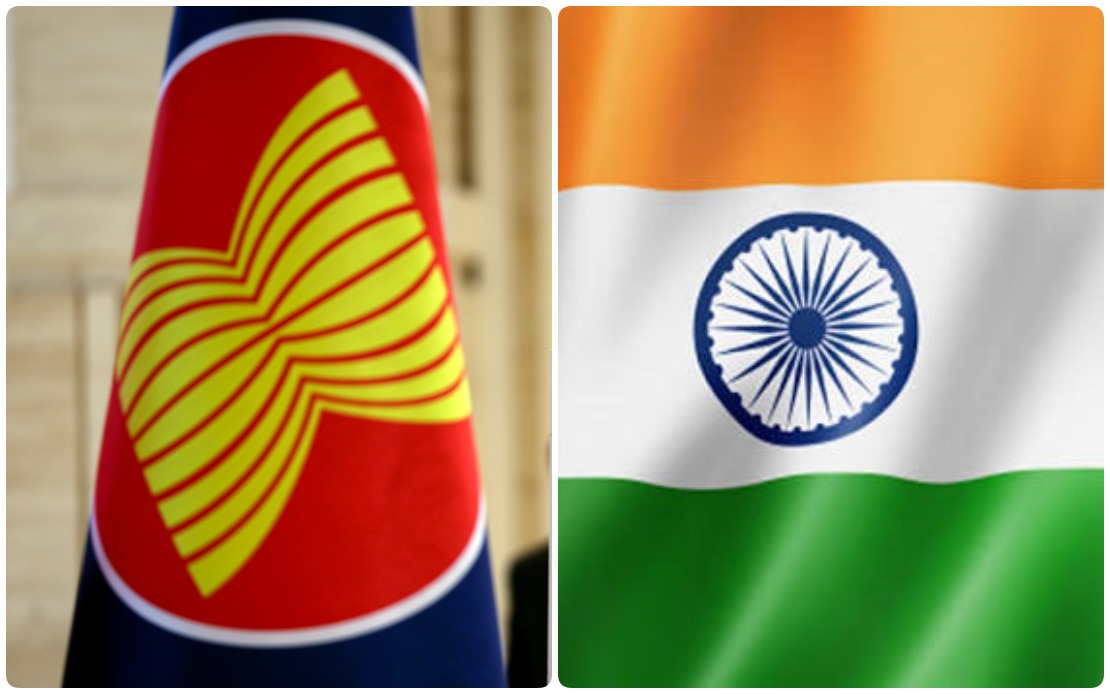
The 10-member ASEAN bloc and India have reinforced their strategic partnership during high-level talks in Manila, signalling shared resolve to deepen cooperation across economic, security and social dimensions. The dialogue came as part of the Post-Ministerial Conference attached to the 59th ASEAN Foreign Ministers' Meeting, bringing together top diplomats from both sides to chart the course of their relationship amid escalating global instability and competing regional interests.
Philippine Foreign Affairs Secretary Theresa P. Lazaro underscored the maturity of the ASEAN-India relationship, which dates back three-and-a-half decades to its formal establishment. What began as dialogue partners has evolved into a sophisticated alliance that now addresses the multifaceted interests of two regions accounting for billions of people. The elevation of this partnership to comprehensive strategic status in 2022 marked a watershed moment, formalising the recognition that ASEAN and India share fundamental values and face common pressures as major economies of the Global South navigating an increasingly contested international system.
Cooperation frameworks announced during the meeting reveal a pragmatic approach focusing on deliverable outcomes rather than aspirational rhetoric. Maritime cooperation emerged as a central pillar, with both sides committing to structured engagement through workshops, training initiatives and capacity-building programmes. These initiatives span marine bioprospecting, ocean engineering, marine energy development and maritime law enforcement—areas where shared expertise can generate tangible benefits. For ASEAN nations dependent heavily on maritime trade and blue economy development, Indian technical cooperation offers meaningful value, while New Delhi gains expanded regional influence through demonstrable partnership outputs.
Tourism cooperation under the ASEAN Tourism Year framework represents another dimension of people-to-people engagement that carries both economic and diplomatic significance. Direct travel and cultural exchange strengthen mutual understanding and create constituencies within both societies with vested interests in bilateral stability. For Southeast Asian nations seeking to diversify tourism sources beyond traditional Western markets, India's vast middle class represents substantial growth potential. Simultaneously, Indian travellers gain expanded access to destinations across the region, fostering organic people-to-people connections that transcend formal diplomacy.
India's External Affairs Minister Subrahmanyam Jaishankar articulated the strategic context driving this intensified engagement, pointing to a world characterised by turbulence and systemic pressures that no single power can address independently. His emphasis on supply chain vulnerabilities, energy security, food security and health security reflected genuine challenges confronting both ASEAN and India. Recent global disruptions—from pandemic-induced manufacturing bottlenecks to geopolitical contestation over resource supplies—have demonstrated the fragility of assumptions about stable, predictable international commerce. ASEAN and India, as major consumers and producers of essential commodities, occupy critical positions within global supply networks where cooperation can provide mutual resilience.
Maritime security emerged as a particularly salient concern, reflecting the reality that both regions depend critically on freedom of navigation through contested waters. ASEAN nations, positioned along major shipping lanes connecting global markets, face legitimate concerns about the security of sea routes essential to their prosperity. India, with extensive coastlines and growing maritime ambitions, shares these concerns while possessing naval capabilities relevant to regional security. The commitment to designate 2026 as the ASEAN-India Year of Maritime Cooperation signals intention to translate these broad strategic alignments into concrete institutional frameworks and operational cooperation mechanisms.
Jaishankar's emphasis on international law and rules-based order carries particular weight given ongoing regional disputes and competing territorial claims in Southeast Asian waters. Both ASEAN and India benefit from a stable maritime environment governed by transparent, predictable legal frameworks. This stance implicitly reinforces commitments to existing conventions and accords while positioning the partnership as inherently stabilising rather than disruptive. For Malaysian readers, this alignment matters considerably given Malaysia's own maritime interests and its role within ASEAN deliberations on regional security architecture.
The partnership's characterisation as practical and people-oriented rather than ideologically driven distinguishes it from other major power engagements in the region. Unlike partnerships framed primarily around geopolitical competition, the ASEAN-India relationship emphasises concrete cooperation delivering measurable benefits to both populations. This approach reduces the risk of partnership fatigue and sustains engagement across political transitions, as achievements accumulate and constituencies develop vested interests in continuation.
For Malaysia and other ASEAN members, this deepened ASEAN-India relationship offers several strategic advantages. India's economic growth trajectory and technological capabilities in sectors from renewable energy to digital infrastructure create opportunities for knowledge transfer and investment cooperation. Conversely, ASEAN's manufacturing base and supply chain competencies offer Indian businesses expansion possibilities. More broadly, a stronger ASEAN-India partnership contributes to a more balanced regional architecture, providing counterweight to other major power presences and reducing excessive dependence on any single external partner.
The timing of this diplomatic reaffirmation reflects recognition that regional stability requires active management and cultivation of cooperative relationships. As great power competition intensifies and multiple crises—from climate change to pandemic risks—demand coordinated responses, the ASEAN-India partnership provides institutional mechanisms for addressing shared challenges. The concrete initiatives announced, from maritime cooperation frameworks to tourism exchanges, demonstrate that strategic partnership requires sustained effort and tangible outputs beyond rhetorical declarations.
Looking forward, the success of this partnership will depend on translating ambitious statements into effective programmes delivering visible benefits to constituent populations. Maritime cooperation initiatives must produce genuine capacity enhancement for ASEAN nations. Tourism frameworks must facilitate actual travel increases and cultural exchange. Trade cooperation must expand commercial opportunities. For Malaysian stakeholders across government, business and civil society, engagement with India through ASEAN mechanisms offers prospects for enhanced prosperity and influence in shaping regional futures. The partnership's maturation reflects both historical ties and contemporary imperatives, positioning ASEAN-India cooperation as increasingly central to Southeast Asia's strategic interests in the coming decade.

