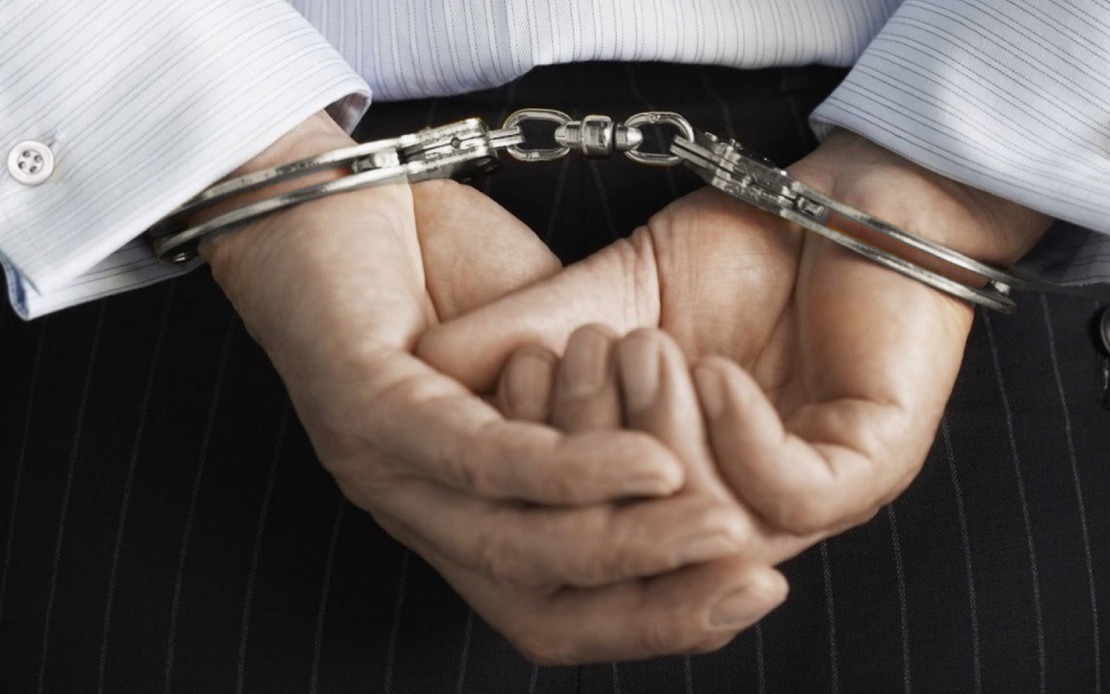
Law enforcement in Los Angeles County arrested an armed individual at Donald Trump's golf course in Rancho Palos Verdes on Sunday, just days before the former president was scheduled to attend a Republican Party fundraising dinner at the venue on Tuesday evening. Plain-clothes officers initially spotted the man engaging in suspicious behaviour, including taking photographs and videos whilst apparently observing security-related activities across the Trump National Golf Course property.
The arrest followed a methodical investigation that yielded increasingly concerning discoveries. Police recovered ammunition and a 16-round magazine from the suspect at the golf course itself. A subsequent search of his vehicle revealed a loaded pistol alongside an additional loaded magazine, escalating official concerns about his intentions.
The scope of potential threats became clearer when authorities conducted a comprehensive search of the arrested man's residence. Officers uncovered an arsenal that included multiple weapons and ammunition stockpiles, body armour protection equipment, radio signal devices, and multiple notebooks containing statements that authorities characterised as deeply concerning. The cumulative evidence painted a picture of an individual with significant preparation and ideological motivation.
This latest incident represents another troubling episode in a pattern of security breaches and violent threats targeting the former president. The frequency of such incidents has sparked broader questions about presidential security protocols and the capacity of law enforcement to identify and neutralise threats before they escalate into violence. For observers following American politics, the recurring nature of these security failures raises uncomfortable questions about the adequacy of current protective measures.
The sequence of incidents surrounding Trump's security has been particularly intense and varied. In April of this year, gunshots were discharged during a press dinner in Washington, prompting Secret Service personnel to rapidly extract Trump and his wife whilst abandoning the event entirely. This incident demonstrated how quickly security situations could deteriorate in crowded urban settings with multiple access points.
Florida has proven especially problematic, with February witnessing an armed individual attempting to breach Trump's Mar-a-Lago estate before being fatally shot by authorities in a tense confrontation. The property, located in an upscale community, presented unique security challenges given its relative accessibility compared to secure government facilities.
During his 2024 campaign to return to the Oval Office, Trump experienced a direct assassination attempt at a Pennsylvania campaign event that resulted in a bullet grazing his ear. The shooting, broadcast live to millions of Americans, represented an unprecedented security failure and triggered extensive reviews of campaign event protocols and the coordination between local law enforcement and federal protective services.
Later in 2024, Secret Service agents engaged in another armed confrontation near Trump's West Palm Beach golf course when they discovered an armed individual concealed in vegetation on the property. Intelligence assessments suggested the man had been positioning himself to launch an attack, indicating a level of premeditation and tactical planning that alarmed security professionals.
The California arrest underscores how golf courses, despite their private status, present inherent security challenges. The expansive grounds, multiple entry and exit points, water hazards, and dense vegetation create surveillance difficulties. Unlike secured government buildings with controlled access, country clubs must balance operational functionality with security requirements, creating gaps that determined individuals might exploit. The Rancho Palos Verdes location, whilst in an affluent area, shares these vulnerability patterns.
For Malaysian and Southeast Asian observers, these recurring incidents illuminate tensions within American political culture and the practical difficulties of protecting high-profile political figures in democratic societies. Unlike more restrictive systems, democracies must permit public engagement and campaign accessibility, constraints that complicate comprehensive protective security. The philosophical commitment to open campaigning and public appearances conflicts with hardened-target protection strategies.
The arrested individual's possession of detailed notebooks and multiple weapons suggests ideological motivation rather than opportunistic violence. Such indicators typically capture law enforcement attention during threat assessments, yet the man was apparently able to conduct reconnaissance at the golf course before apprehension. This suggests either intelligence gaps in the security operation or the challenges inherent in distinguishing reconnaissance activity from ordinary photography on a semi-public facility.
The Tuesday fundraising event proceeded as scheduled, presumably with enhanced security measures implemented in response to the Sunday arrest. The incident illustrates how contemporary political events now routinely require intensive protective operations, transforming what were once relatively informal campaign activities into elaborate security productions. The costs, both financial and operational, of mounting such protection have increased substantially.
The pattern of escalating incidents over recent months indicates that threats against Trump and potentially other high-profile political figures remain persistent and occasionally involve individuals capable of significant tactical planning. Authorities must balance preventing legitimate security threats with respecting constitutional rights and public access, a balance that continues to prove elusive despite extensive resources dedicated to the problem.

