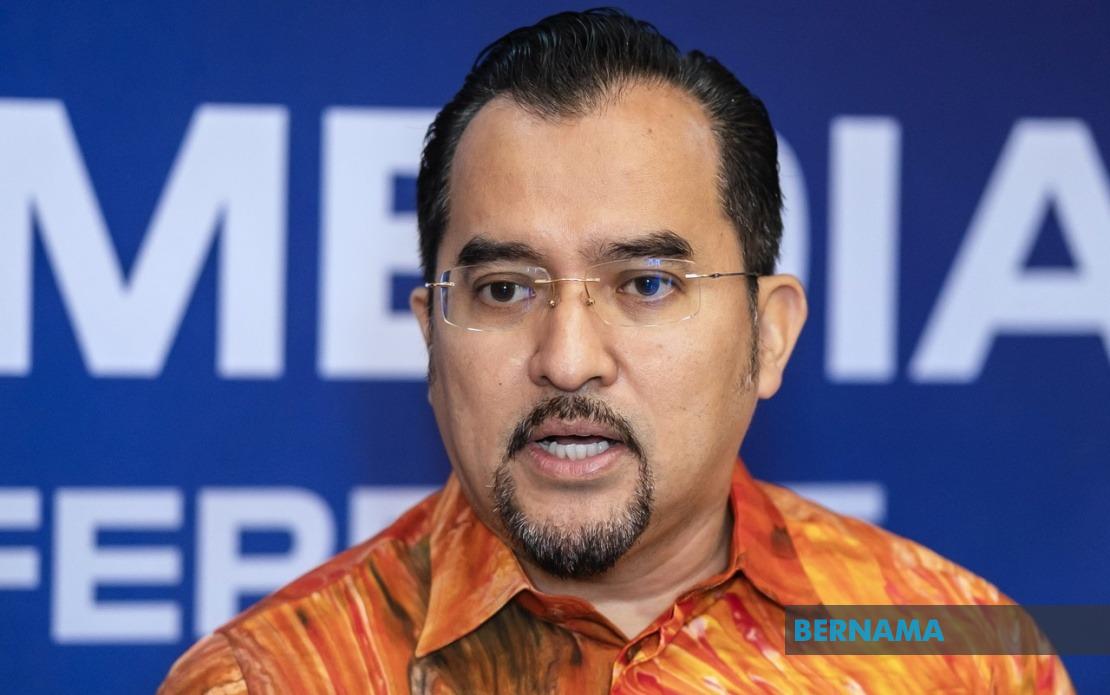
Sixteen retired military personnel will step into roles as full-time wardens at eight MARA Junior Science Colleges starting from July 1, representing a significant expansion of a programme intended to strengthen institutional discipline and safeguarding. The initiative builds on a pilot conducted at MRSM Besut and MRSM Balik Pulau since October 2025, with MARA Chairman Datuk Dr Asyraf Wajdi Dusuki emphasising that the appointments aim to create safer residential environments for students and curtail incidents of bullying at these boarding institutions.
The current phase represents a carefully scaled rollout across eight colleges, with a total complement of thirty-two wardens eventually deployed—comprising two male and two female wardens per institution. The male cohort of sixteen will begin their duties on July 1, 2026, having completed rigorous screening processes conducted jointly by Glokal Link Sdn Bhd (GLSB), MARA's subsidiary company, alongside the MARA Secondary Education Division, the Veterans Affairs Department (JHEV), TalentCorp, and the Malaysian Armed Forces Psychology and Counselling Section. Recruitment of female wardens is proceeding on a separate timeline, with one hundred sixty-two applications received and online assessments completed on June 25, followed by physical interviews scheduled for July 2.
The selection architecture incorporates multiple layers of assessment designed to identify candidates of genuine suitability for positions involving responsibility for adolescents in residential settings. Physical interviews conducted on June 15 and 16 at MARA's Higher Skills Institute in Kepong involved one hundred forty-seven candidates, predominantly one hundred thirty-nine male applicants who had navigated preliminary screening by JHEV and TalentCorp. This pathway specifically targets recognised Armed Forces veterans—those who completed military service honourably and were not discharged for disciplinary misconduct, serious offences, or legal violations that would compromise their standing as veterans.
Beyond conventional interviews, the evaluation process encompasses psychometric instruments including the MyNext OCEAN and RIASEC assessments, military psychological evaluations, mental health screening, body mass index assessments, bleep fitness testing, and panel interviews involving multiple government agencies. This multifaceted approach reflects institutional determination to move beyond traditional recruitment methods and establish comprehensive safeguards against placing unsuitable individuals in positions of trust. The screening regime underscores MARA's acknowledgement that warden appointments directly impact student welfare and institutional credibility—concerns particularly acute given historical reports of disciplinary challenges within Malaysia's boarding school sector.
A critical final stage involves psychological and biofeedback evaluations administered by Armed Forces psychologists and counsellors, specifically targeting risk assessment in domains including child protection, sexual misconduct propensity, impulse control, maintenance of appropriate warden-student boundaries, and overall psychological suitability for hostel environments. Prior to appointment letters being issued, Glokal Link will verify veteran status, conduct criminal record checks through the Royal Malaysia Police (PDRM), and cross-reference candidates against the child sexual offenders registry. This comprehensive vetting apparatus—encompassing criminal history, psychological profile, fitness, and institutional fit—represents a departure from conventional warden recruitment practices and signals MARA's institutional commitment to placing student safety and welfare above expedited hiring timelines.
Datuk Dr Asyraf Wajdi Dusuki articulated the principle governing the entire process with deliberate clarity: no appointment letter would be finalised until all critical screening protocols had been exhausted. Only candidates demonstrating genuine qualifications, unblemished records, demonstrated integrity, and proven suitability for student care within hostel settings would receive consideration. This stance implicitly acknowledges public anxiety regarding safeguarding within Malaysian boarding institutions and frames the veteran recruitment initiative not merely as a disciplinary measure but as a comprehensive institutional reform targeting residential safety and student protection.
The strategic deployment of military veterans into warden positions carries specific institutional logic within the Malaysian educational context. Armed Forces personnel bring structured, hierarchical management experience alongside military training in discipline, emergency response, and duty orientation. For MARA colleges, which serve academically gifted secondary students from across Malaysia in boarding environments, the presence of disciplined, experienced personnel in residential supervision roles theoretically strengthens capacity to address behavioural challenges, peer conflicts, and bullying dynamics that occasionally surface in institutional settings. The initiative also addresses employment prospects for retired military personnel, creating meaningful post-service career pathways while simultaneously solving staffing challenges within Malaysia's elite scholarship institutions.
This phased expansion trajectory reflects institutional prudence in scaling a comparatively novel programme. Following the initial pilot phase at two colleges and the current deployment across eight institutions, MARA intends to extend the programme across all fifty-eight MARA Junior Science Colleges, with the third expansion phase commencing on January 1, 2027. This measured approach permits continuous evaluation of programme effectiveness, refinement of recruitment and screening protocols, and identification of any unforeseen implementation challenges before full nationwide rollout. The temporal spacing between phases also allows MARA to assess impact on student discipline metrics, bullying incident rates, and overall institutional climate at participating colleges.
For Malaysian parents and education stakeholders, this initiative addresses longstanding concerns regarding duty of care standards within boarding institutions. The involvement of multiple agencies—including military psychology services, TalentCorp's human resource expertise, and police record verification—creates accountability structures and institutional oversight that transcend single-agency decision-making. The emphasis on psychological screening and child protection risk assessment specifically targets the vulnerability demographics inherent in residential educational settings where young people spend extended periods under institutional supervision. This represents a recognition that safeguarding frameworks must evolve beyond traditional disciplinary approaches to encompass modern understandings of institutional safeguarding and child welfare protection.
The appointment timing and scale also position MARA's initiative within broader Southeast Asian trends regarding duty of care standards and institutional accountability within educational settings. Malaysian boarding school experiences significant parental investment and aspirational investment from families seeking elite educational pathways for their children. Consequently, the institutions themselves operate under heightened scrutiny regarding student welfare, safety, and the calibre of personnel entrusted with residential supervision responsibilities. By adopting rigorous, multi-agency screening frameworks and deploying experienced military personnel into warden positions, MARA signals institutional modernisation in safeguarding protocols and responsiveness to public expectations regarding student protection within prestigious educational institutions.
The programme's emphasis on integrity and compliance reflects MARA's awareness that institutional credibility and public confidence directly influence the perceived quality and attractiveness of MARA scholarship opportunities. Parents evaluating boarding school placements for their children increasingly prioritise safety records, staff qualifications, and institutional safeguarding frameworks alongside academic reputation. By implementing comprehensive vetting processes and deploying experienced, psychologically assessed personnel into supervisory roles, MARA positions itself as an institution taking student welfare seriously and implementing modern safeguarding standards comparable to those adopted by leading educational institutions globally. This positioning carries competitive significance within Malaysia's scholarship landscape, where institutional reputation and perceived safety substantially influence family participation in boarding educational programmes.

